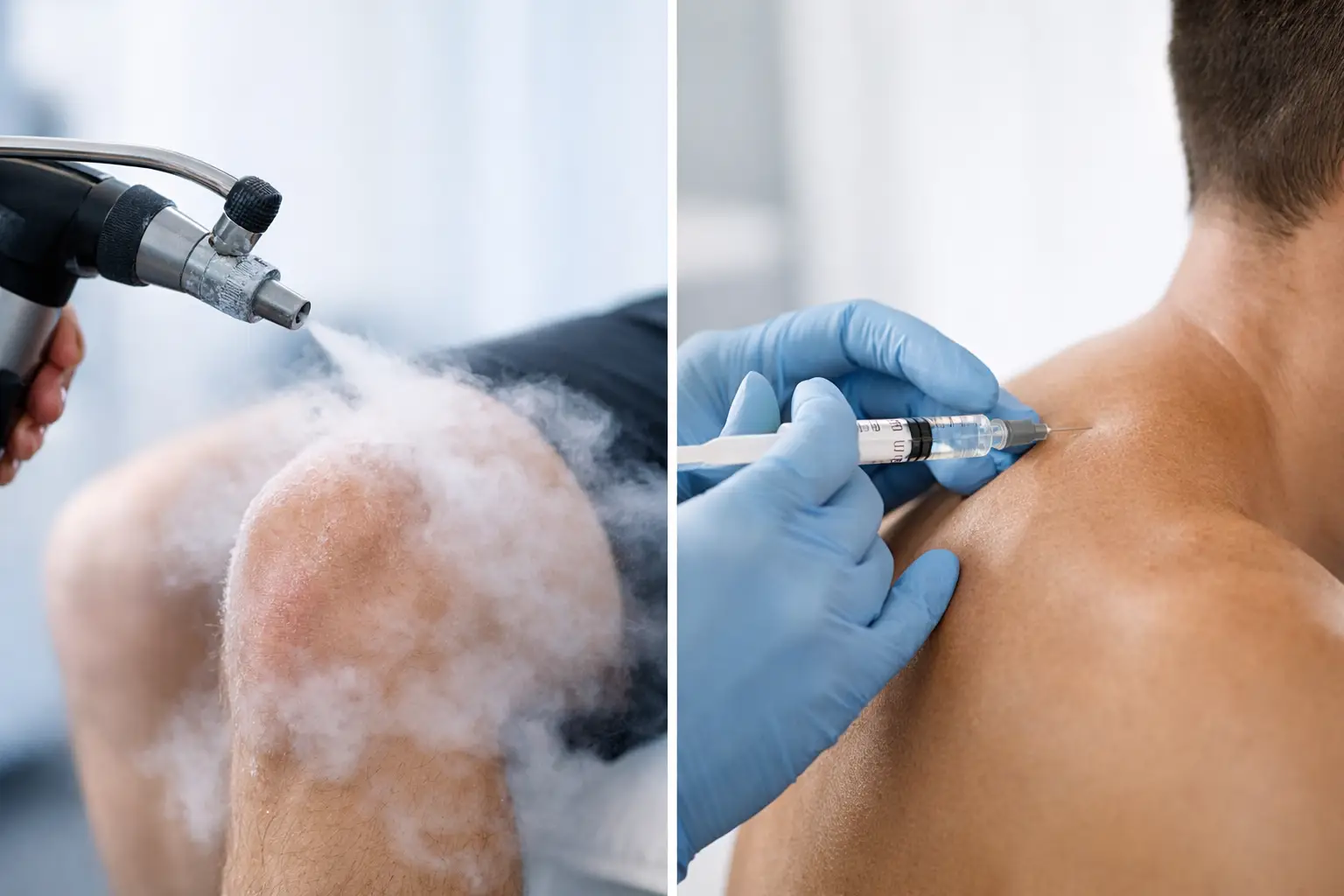
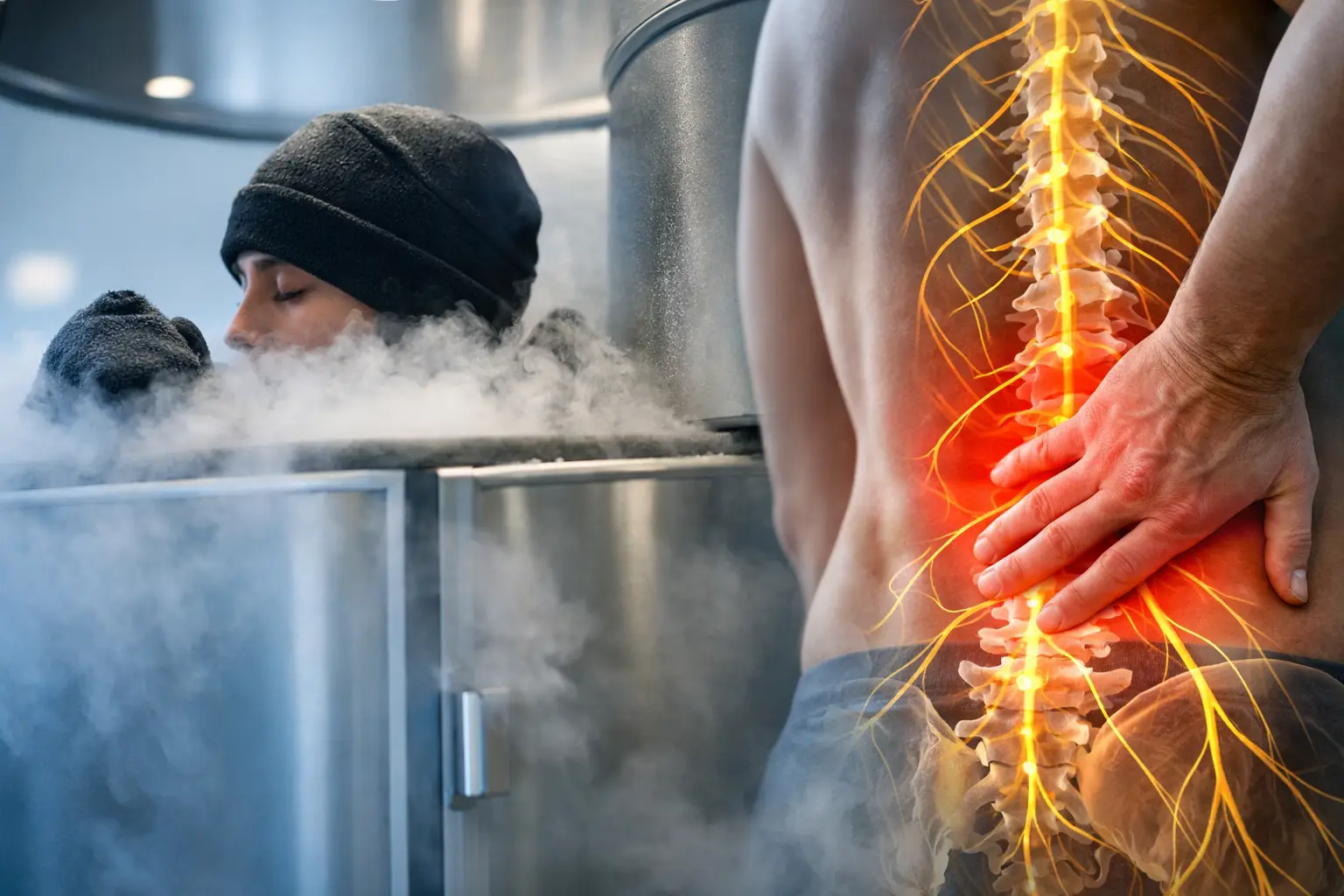
A sharp, burning, tingling feeling can turn simple movement into a negotiation. For people dealing with radiating back pain, a flare after training, or irritation around an injured joint, understanding how cryotherapy helps nerve pain starts with one goal: calm the tissue and sensitivity around the nerve without adding more stress to the body.
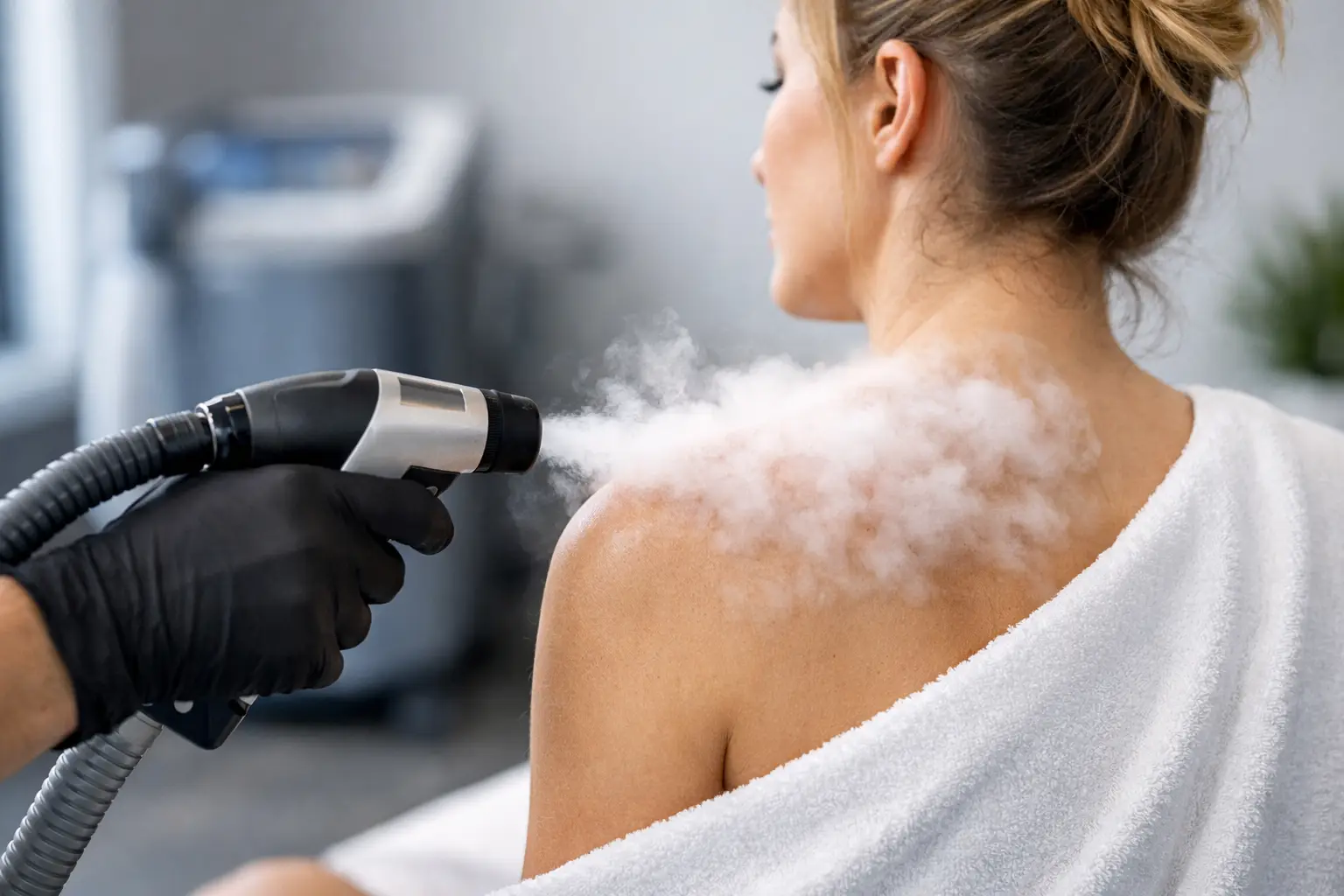
Localized cryotherapy applies controlled cold directly to a specific treatment area. It is fast, non-invasive, and designed to support pain relief and recovery where you need it most. It is not a cure for every type of nerve pain, but for the right issue and the right person, targeted cold therapy can be a valuable part of a larger recovery plan.
How Cryotherapy Helps Nerve Pain
Nerves can become painful when they are compressed, irritated, inflamed, or affected by an injury. A herniated disc may irritate a nerve root in the lower back. Swelling around a knee, shoulder, or ankle injury may put extra pressure on nearby tissue. Repetitive use, surgery, and intense training can also leave an area feeling overly sensitive.
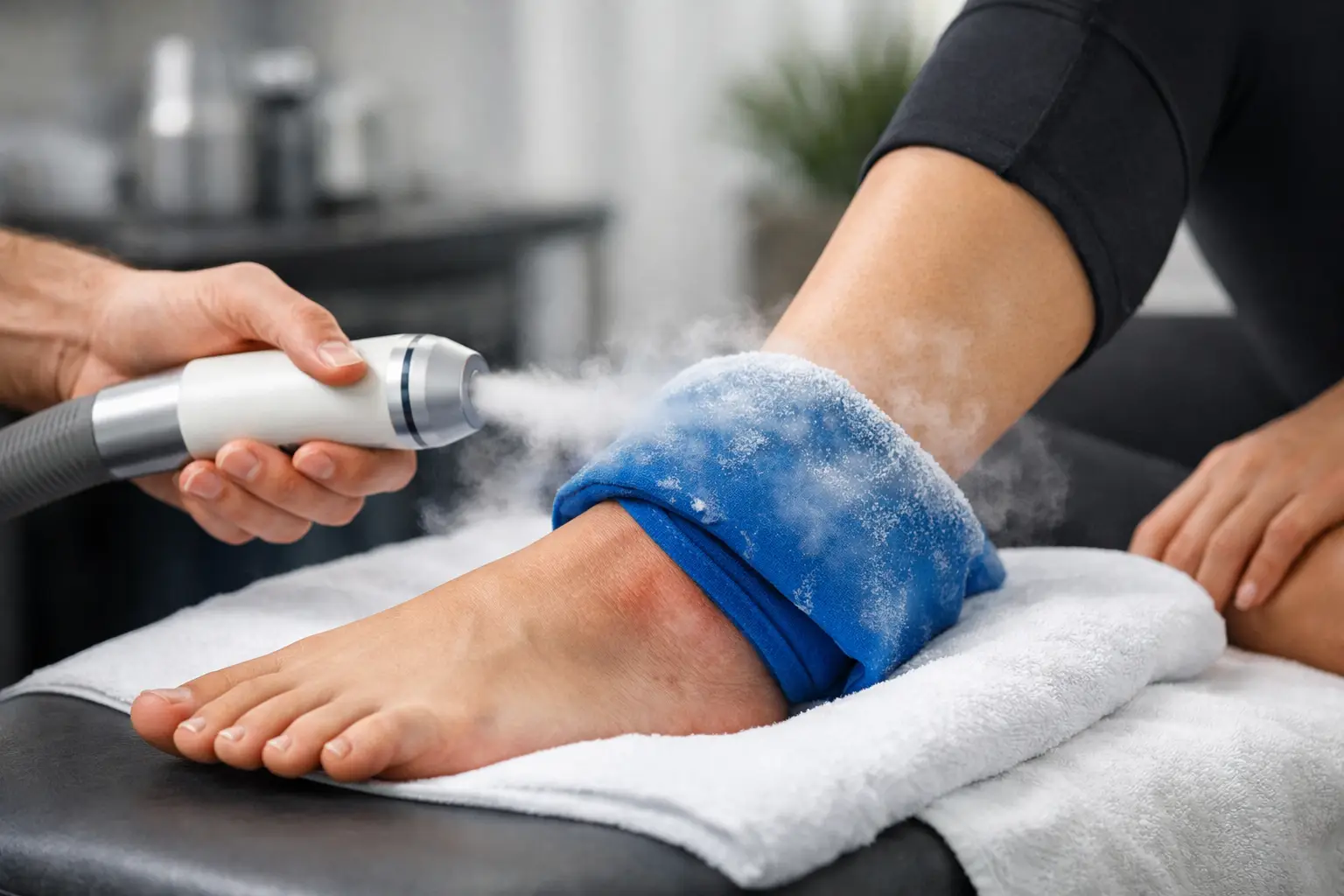
Localized cold therapy works by cooling the surface and underlying soft tissue around the painful area. Cold causes blood vessels to narrow temporarily, which may help reduce localized swelling and inflammation. Less swelling can mean less pressure on sensitive structures, including nearby nerves.
Cold also slows the speed at which pain signals travel along superficial nerves. That is why an ice pack can create temporary numbness. Professional localized cryotherapy delivers a more controlled, concentrated cooling experience than a bag of ice, allowing treatment to focus on the joint, muscle group, or region contributing to discomfort.
The result may be a reduction in pain intensity, throbbing, and heat in the area. Many clients also find that when pain settles down, they can move more comfortably, sleep better, or participate more effectively in physical therapy and mobility work.
Nerve Pain Relief Is Not One-Size-Fits-All
“Nerve pain” describes a sensation, not a single diagnosis. It may feel like pins and needles, burning, electrical shocks, numbness, or pain that travels down an arm or leg. The cause matters because cold therapy may be more useful for some situations than others.
Targeted cryotherapy can be a practical support option when nerve symptoms are connected to acute inflammation, overuse, a sports injury, joint irritation, or post-workout soreness around a sensitive area. For example, someone with low back pain and leg discomfort after a training flare may use localized cold therapy to help calm the irritated lower back and surrounding muscles.
It may also be useful during recovery after a procedure, when a medical provider has cleared cold therapy and swelling management is appropriate. Reducing discomfort can make it easier to follow the recovery plan your care team has set.
However, cryotherapy does not repair a severed nerve, reverse diabetic neuropathy, or remove a structural issue such as a severely compressed nerve. If symptoms stem from an ongoing medical condition, cold therapy may provide temporary comfort but should not replace diagnosis and treatment from a qualified clinician.
Why Localized Cryotherapy Makes Sense
Whole-body cold exposure may feel energizing, but it is not always the most direct choice when your concern is one painful spot. Localized cryotherapy is built for precision. The treatment can focus on the lower back, hip, shoulder, knee, elbow, wrist, or another area that needs attention.
That focused approach matters when discomfort is affecting your movement. Instead of cooling the entire body, the session targets the area where inflammation, muscular guarding, or joint irritation may be contributing to symptoms.
Sessions are also quick. For busy professionals, athletes, and active Miami-Dade residents, that makes cryotherapy easier to use consistently alongside training, rehab, and day-to-day life. CryoNook brings localized treatments to clients at home, so pain-management support does not have to mean adding another drive to your schedule.
What a Session Can Feel Like
During localized cryotherapy, clients commonly feel intense cold followed by a numbing sensation in the treatment area. The provider monitors the session and keeps the treatment moving as needed to avoid overexposure. Most sessions are brief, and the area may look temporarily pink or red afterward as normal circulation returns.
Some people feel relief right away. Others notice the bigger benefit over a series of sessions, especially when treatment is paired with the habits that protect recovery: appropriate movement, strength work, physical therapy, rest, hydration, and guidance from a medical professional when needed.
The timing also depends on your condition. Cold is often most appealing after activity when an area feels hot, swollen, or aggravated. But some chronic pain patterns respond better to a broader plan that may include heat, mobility, or other therapies at different times. More cold is not always better. The goal is effective relief, not simply pushing through discomfort.
When to Get Medical Guidance First
Nerve pain deserves attention, especially when it is new, severe, or changing. Seek prompt medical care for sudden weakness, loss of coordination, loss of bladder or bowel control, numbness in the groin area, severe pain after trauma, or pain that is rapidly worsening. Those symptoms can point to conditions that require urgent evaluation.
It is also smart to speak with a healthcare provider before cryotherapy if you have reduced sensation, circulation problems, Raynaud’s disease, cold urticaria, uncontrolled diabetes, significant vascular disease, or an open wound near the treatment site. If you cannot reliably feel temperature changes, you may not be a good candidate for localized cold treatment without clinical clearance.
Pregnancy, recent surgery, implanted medical devices, and certain skin conditions can also affect whether and how treatment should be used. A professional provider should ask about your health history and treatment goals before starting.
Build a Smarter Recovery Plan Around the Relief
The best use of cryotherapy is often strategic. If cold helps reduce your pain enough to walk normally, complete your prescribed exercises, or get through a workday with less guarding, that is meaningful progress. Relief creates a better window for recovery-focused action.
For athletes, that may mean using localized cryotherapy after a demanding session, then addressing the movement pattern or workload that caused the flare. For someone with recurring low back discomfort, it may mean calming symptoms while building core strength and working with a provider to understand whether disc irritation, posture, hip mobility, or another issue is involved.
Pay attention to the pattern. Track where pain begins, whether it radiates, what movements trigger it, how long relief lasts, and whether numbness or weakness is increasing. This information helps you and your care team make smarter decisions than simply treating the same flare repeatedly.
Common Questions About Cryotherapy for Nerve Pain
Can cryotherapy make nerve pain worse?
It can if cold is used too long, too intensely, or on a condition that does not respond well to it. Some people with highly sensitive nerves find cold unpleasant. A trained provider uses controlled exposure, and you should always speak up if the sensation becomes painful or alarming.
How often can I use localized cryotherapy?
Frequency depends on the area, the condition, your response, and the rest of your treatment plan. Acute irritation may call for a different schedule than long-term discomfort. Consistency can help, but your provider should tailor sessions rather than treating every pain pattern the same way.
Will cryotherapy replace medication or physical therapy?
No. It can support a plan by helping reduce pain and inflammation, but it should not replace prescribed medication, rehabilitation, or medical care. The strongest results usually come from combining relief strategies with the right diagnosis and movement plan.
Pain may be your body’s signal to slow down, not stop forever. When targeted cold therapy helps settle the noise around an irritated area, use that opportunity to move with more confidence, follow through on recovery, and get the support your body has been asking for.