A rolled ankle can turn a normal workout, run, or walk across Miami into a painful problem fast. Cryotherapy for ankle sprain pain can be a smart way to calm discomfort and manage swelling in the early stages, especially when you want non-invasive relief without relying only on medication. The key is using cold therapy as part of a recovery plan, not treating it as a shortcut around proper care.
An ankle sprain happens when the ligaments that support the joint are stretched or torn, most often after the foot rolls inward. Even a mild sprain can make each step feel unstable. A more significant injury may involve major swelling, bruising, loss of motion, or trouble putting weight on the foot.
What Localized Cryotherapy Can Do for an Ankle Sprain
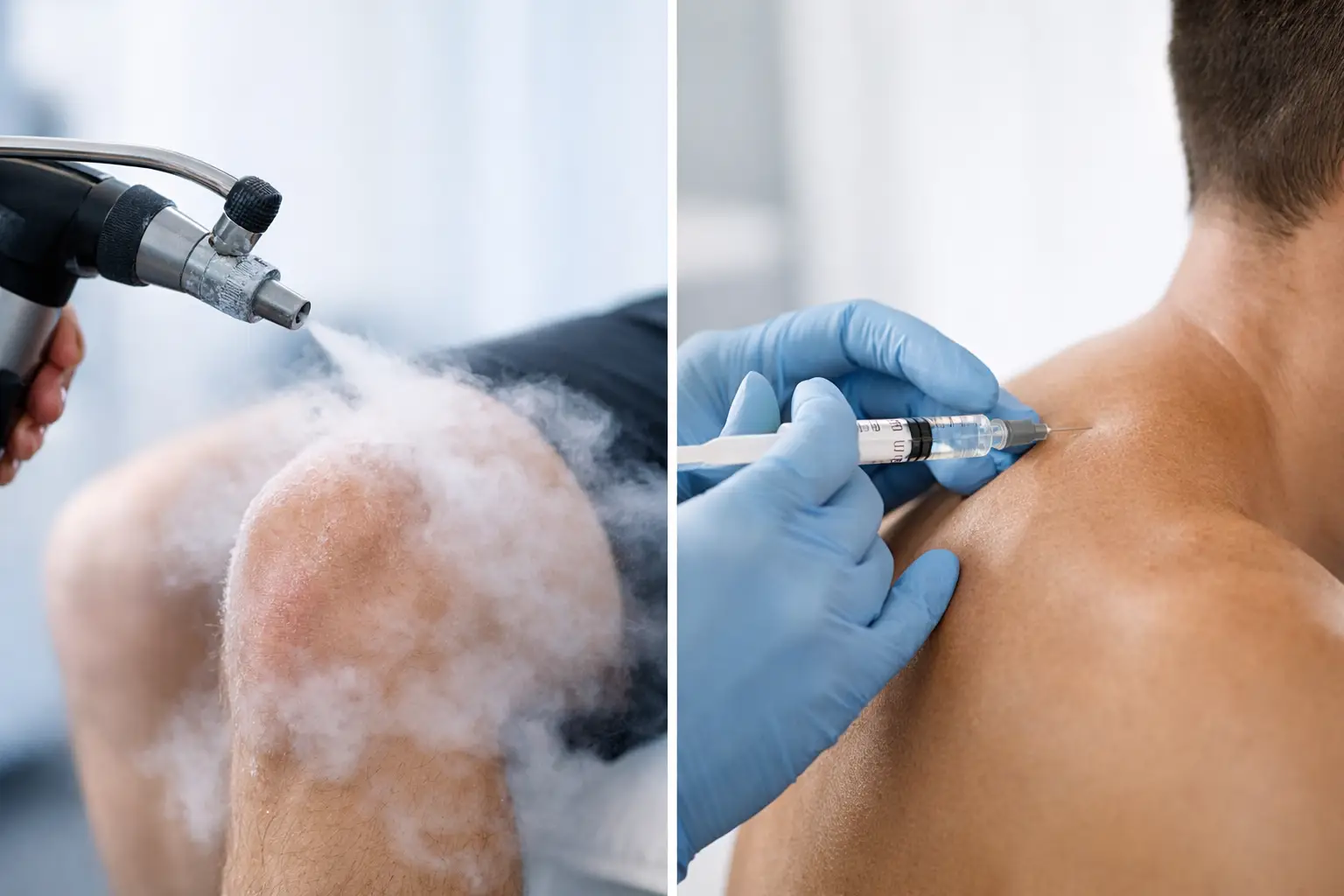
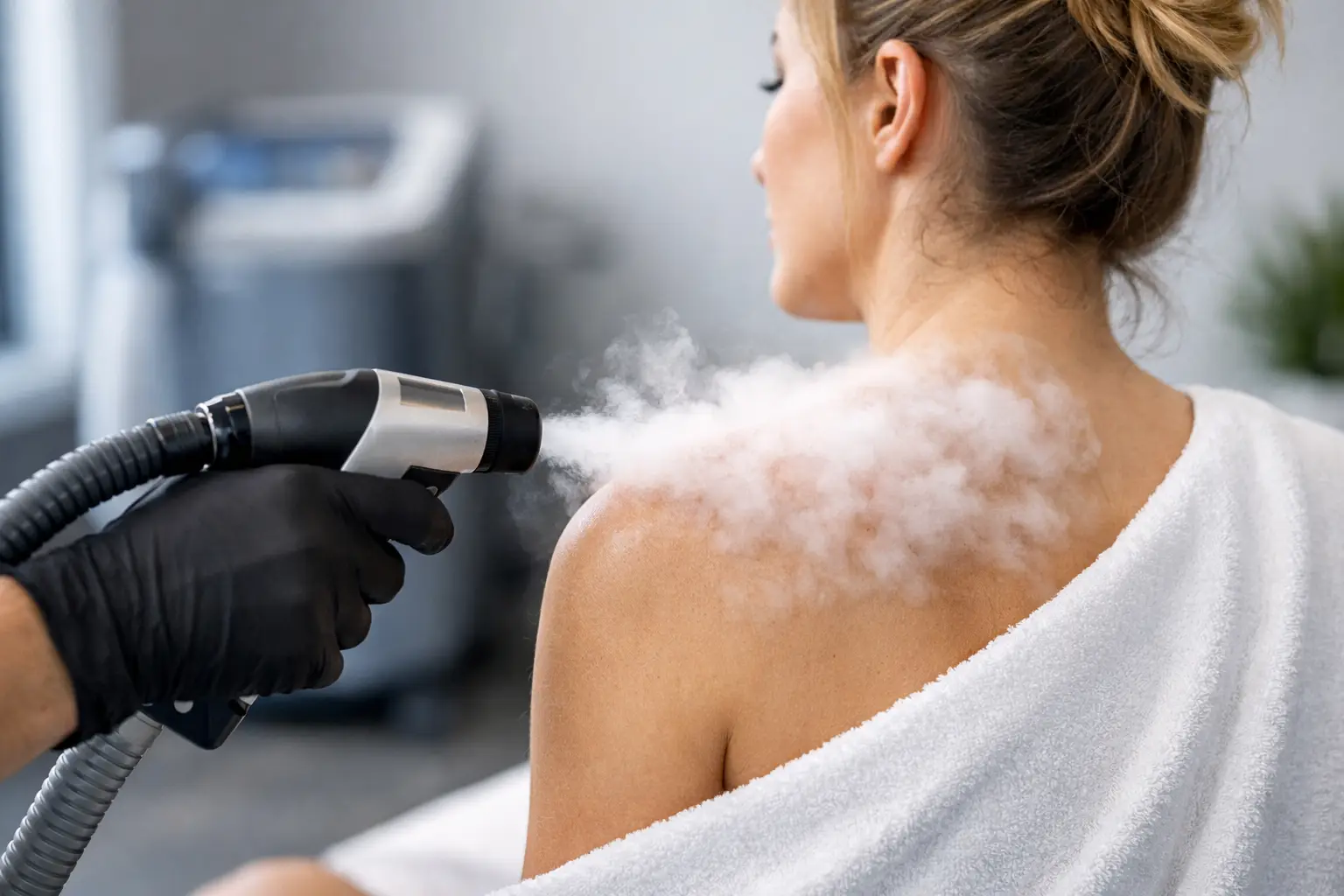
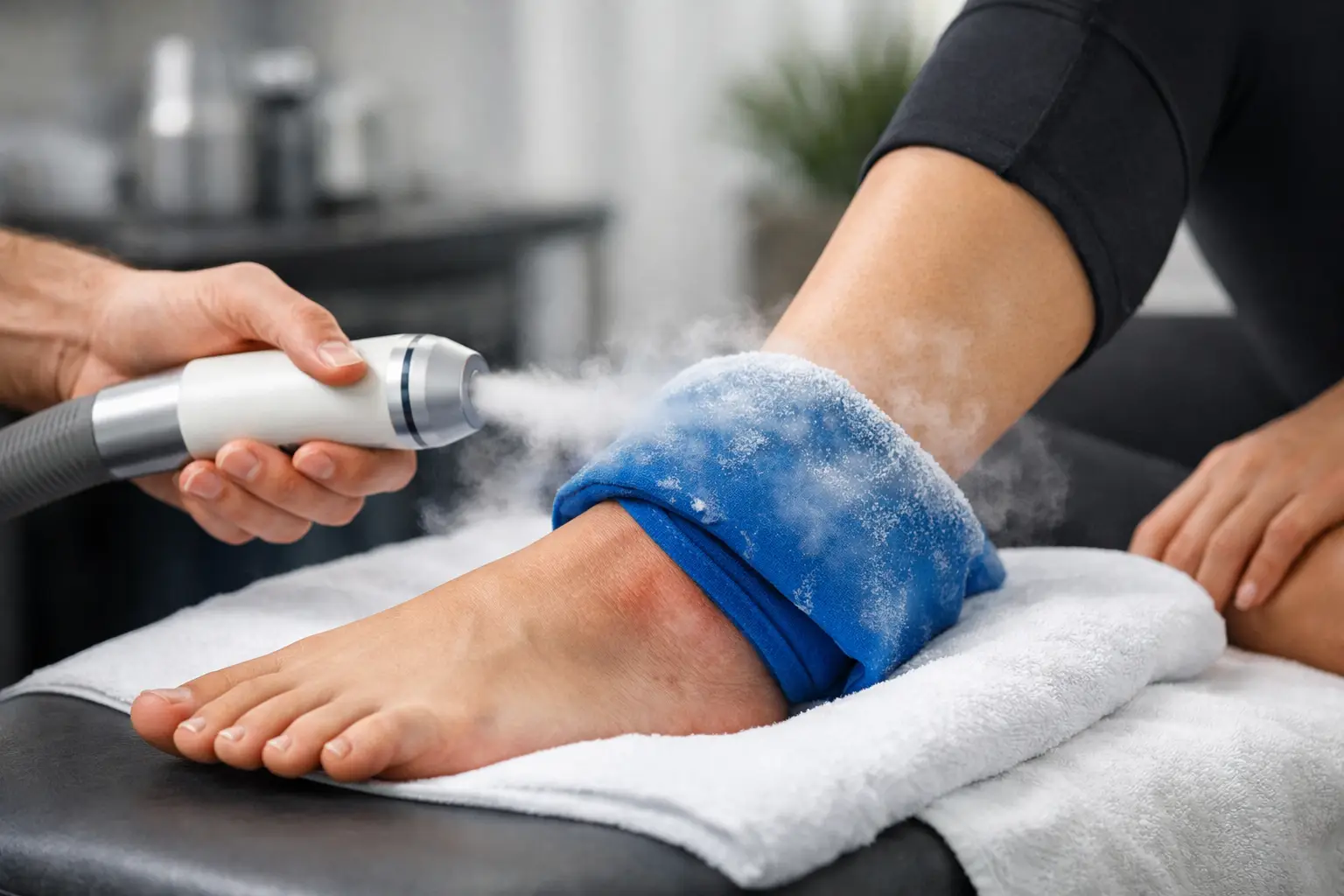
Localized cryotherapy directs controlled cold to a specific treatment area, such as the outside or front of the ankle. The cold sensation can temporarily reduce pain signals, help limit excessive swelling, and make the joint feel more comfortable while you begin the next phase of recovery.
That immediate relief matters. When your ankle hurts less, it may be easier to rest without constantly guarding the joint. Once the acute pain settles, you can also begin the gentle movement and strength work that help restore stability. For active people, this can mean a more manageable path back to training rather than trying to push through pain.
Cold therapy is most useful for symptom management. It does not repair a torn ligament, correct an unstable ankle, or rule out a fracture. Think of it as a focused recovery tool that can help you feel better while your body heals and you follow an appropriate plan.
When Cryotherapy for Ankle Sprain Makes Sense
Targeted cold can be helpful soon after a minor ankle injury, particularly when soreness and swelling are making it hard to move comfortably. It may also be useful after activity during recovery, when the ankle feels irritated or puffy following physical therapy, a longer walk, or a gradual return to exercise.
The best timing depends on the injury and your symptoms. In the first day or two, the priority is usually protecting the ankle from further stress. That may mean reducing activity, using a supportive brace or compression when advised, and elevating the foot when possible. Localized cryotherapy can fit into that window as a way to manage discomfort.
Later in recovery, the goal shifts. You need to regain ankle motion, calf strength, balance, and confidence on uneven surfaces. If cold therapy makes the ankle comfortable enough to complete clinician-approved rehabilitation exercises, it can still have value. But if you use it only to numb pain before a hard workout, you risk returning too fast and reinjuring the joint.
What a Smart Recovery Plan Looks Like
A sprained ankle needs more than rest alone. Complete inactivity for too long can leave the ankle stiff and weak, while too much activity too soon can prolong swelling and instability. The right middle ground depends on the severity of your sprain.
Start by protecting the joint. Avoid running, jumping, cutting movements, and anything that causes sharp pain or a feeling that the ankle may give out. Choose supportive footwear, and consider an ankle brace if a healthcare professional recommends one. Elevation and compression may also help with swelling for some people.
As pain allows, gentle movement is usually the next step. Slow ankle circles, pointing and flexing the foot, and controlled weight shifting can help restore motion. From there, calf raises, resistance-band work, and balance drills can rebuild the strength and coordination that keep another roll from happening.
This is where many active adults make a costly mistake: the swelling improves, so they assume the ankle is ready for sports. Pain relief is progress, but it is not the same as full recovery. If the ankle still feels unstable, lacks range of motion, or swells after normal activity, it needs more time and targeted rehabilitation.
Localized Cold Therapy vs. Ice Packs
Traditional ice packs are accessible and familiar, but they can be messy, bulky, and difficult to position around the ankle. They also deliver cold unevenly as they warm up. A localized cryotherapy session is designed to apply targeted cold to the treatment area without covering the entire body.
For someone dealing with a fresh sprain, that precision can be especially useful around tender areas near the outer ankle. A professional can adjust the treatment approach based on your sensitivity, swelling, and recovery stage. It is a fast, non-invasive option for people who want focused relief without a long appointment or complicated setup.
Still, more cold is not always better. Overusing ice or exposing skin to extreme cold for too long can cause skin irritation, numbness, or cold injury. A professional localized cryotherapy treatment should feel intensely cold but tolerable. Tell your provider immediately if you feel burning, sharp pain, excessive numbness, or unusual skin changes.
Know When an Ankle Sprain Needs Medical Care
Not every swollen ankle is a simple sprain. A fracture, tendon injury, or severe ligament tear can look similar at first. Getting the diagnosis right protects your recovery and can prevent a minor injury from becoming a long-term instability issue.
Seek prompt medical evaluation if you cannot take four steps after the injury, have significant tenderness directly over the ankle bones or foot bones, notice a visible deformity, or have severe and rapidly increasing swelling. Numbness, a cold or pale foot, an open wound, or pain that feels out of proportion also requires urgent attention.
Schedule an evaluation if symptoms are not improving over several days, the ankle repeatedly gives way, bruising is extensive, or you are still limping after the initial acute phase. Athletes and fitness-focused clients should be especially cautious before returning to court sports, soccer, pickleball, running, or heavy lower-body training.
Who Should Be Cautious With Cryotherapy
Localized cryotherapy is not right for every person or every injury. Let your provider know if you have Raynaud’s phenomenon, cold urticaria, reduced sensation from neuropathy, significant circulation problems, or a condition that affects how your skin responds to cold. People with diabetes should be particularly careful if they have reduced feeling in their feet or ankles.
Avoid applying cold directly to broken skin, and do not use cryotherapy as a way to ignore pain after a suspected fracture or serious injury. If you are pregnant, managing a complex medical condition, or recovering from surgery, check with your medical team before adding any recovery modality.
A qualified provider should ask about your health history, inspect the area, and adjust treatment based on your comfort. Professional care is not about making the treatment more intense. It is about making it appropriate.
Make Relief Part of a Better Comeback
An ankle sprain can be frustrating because it interrupts the activities that keep you feeling your best. The goal is not simply to get through the pain today. It is to restore a stable, capable ankle that supports your next workout, beach walk, game, or long day on your feet.
For Miami-Dade clients who want targeted, at-home support, CryoNook brings localized cryotherapy to you. Used at the right time and paired with smart movement, protection, and rehabilitation, cold therapy can help make recovery feel more manageable. Give your ankle the attention it needs now, then earn your return to activity with strength and control.