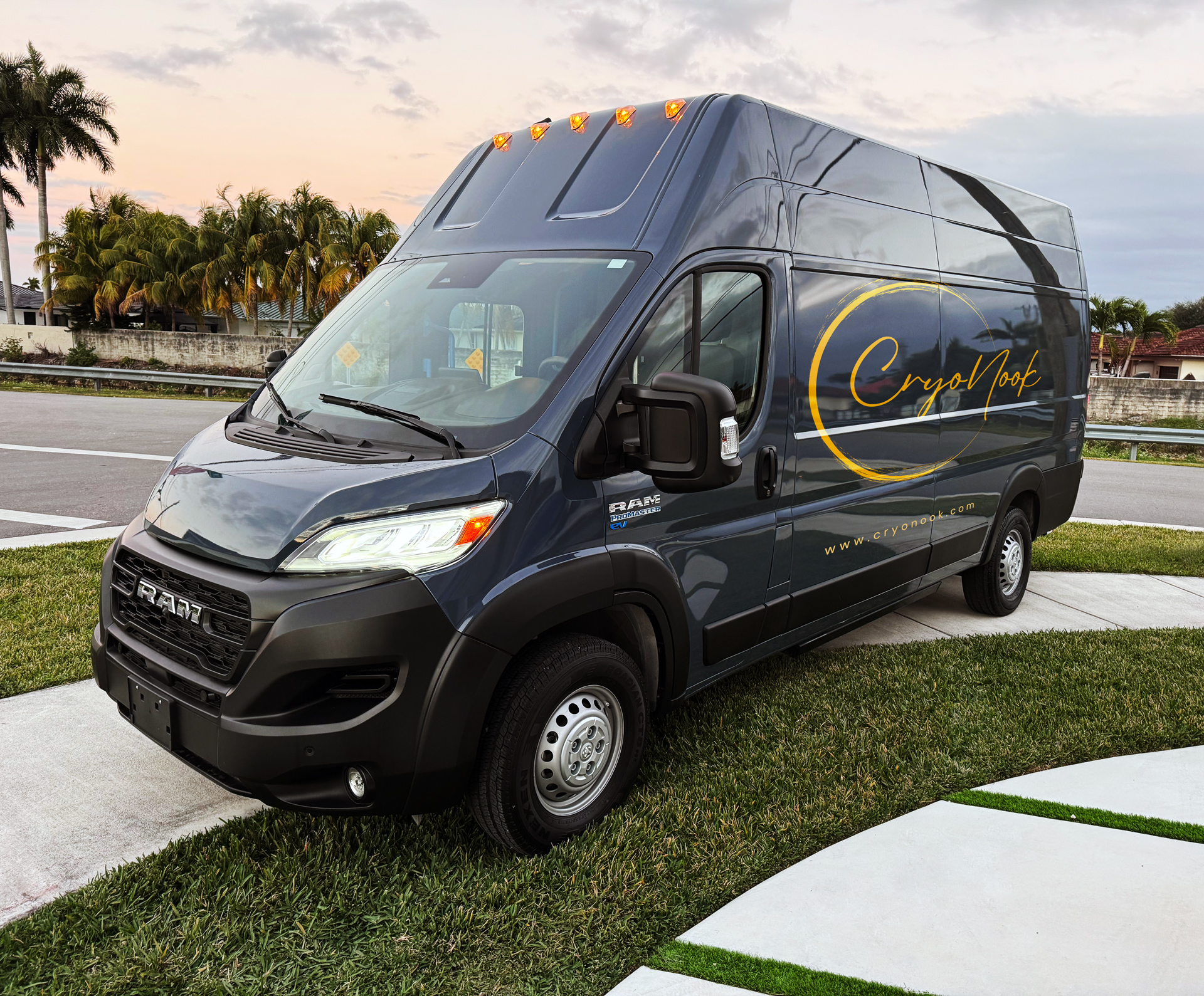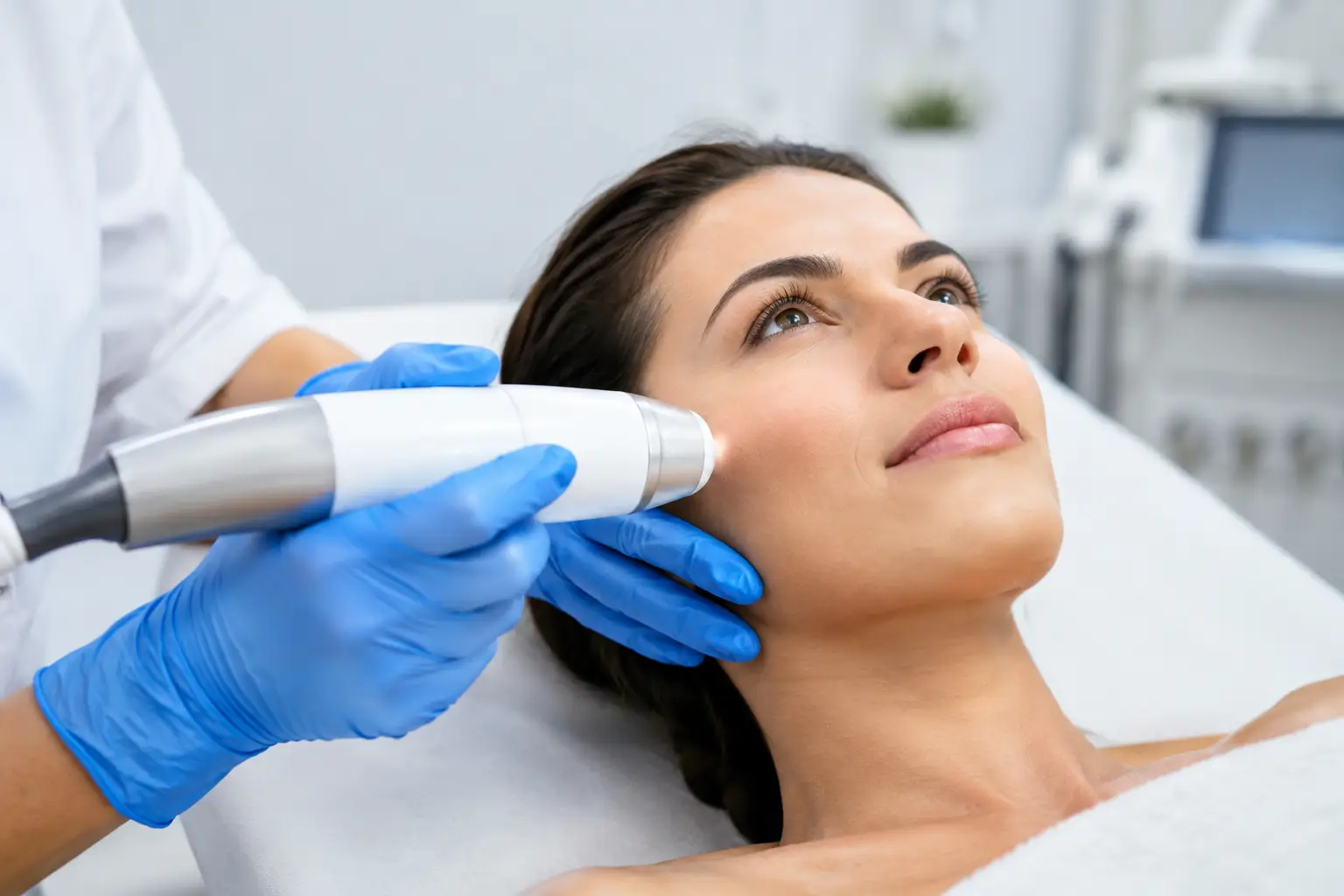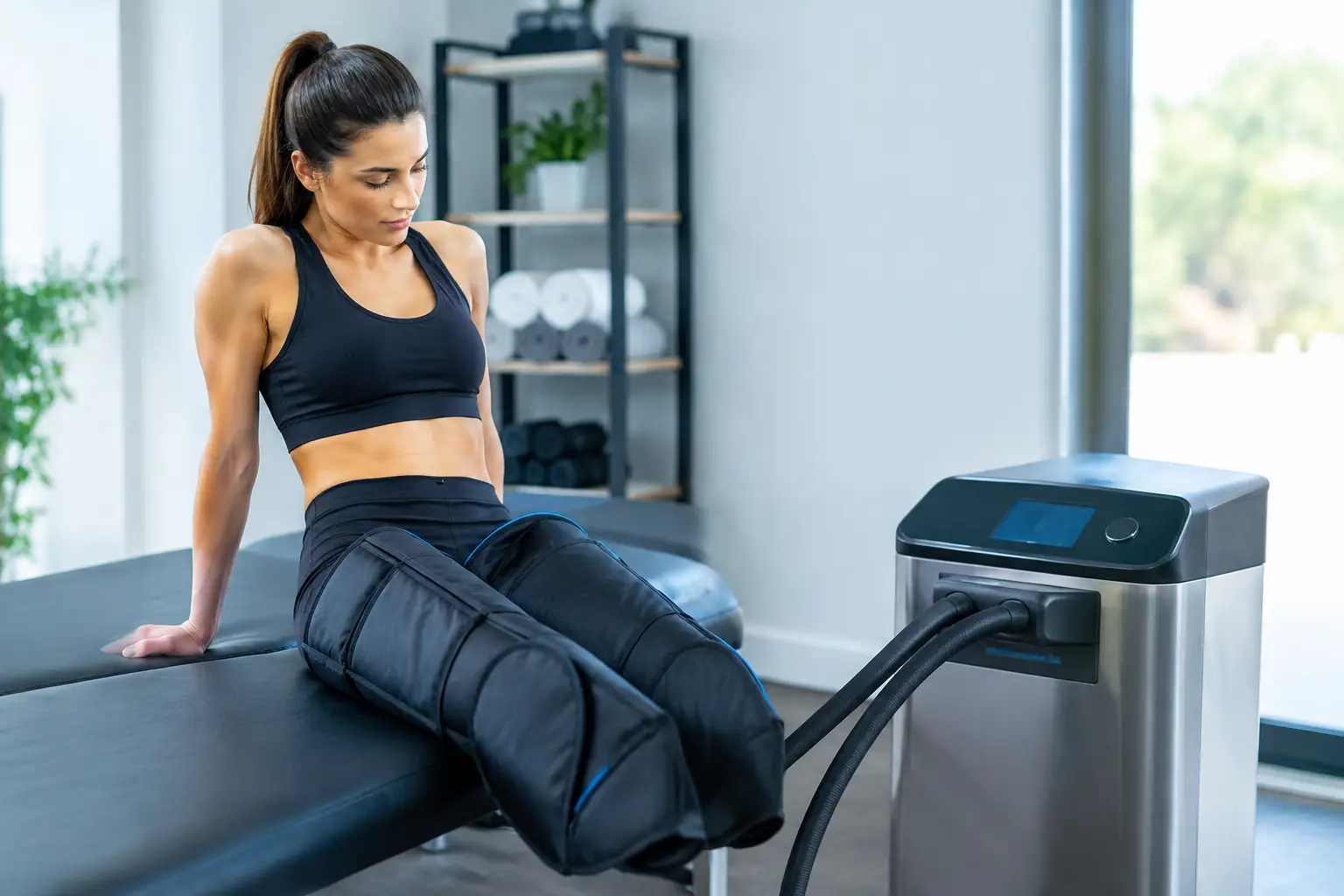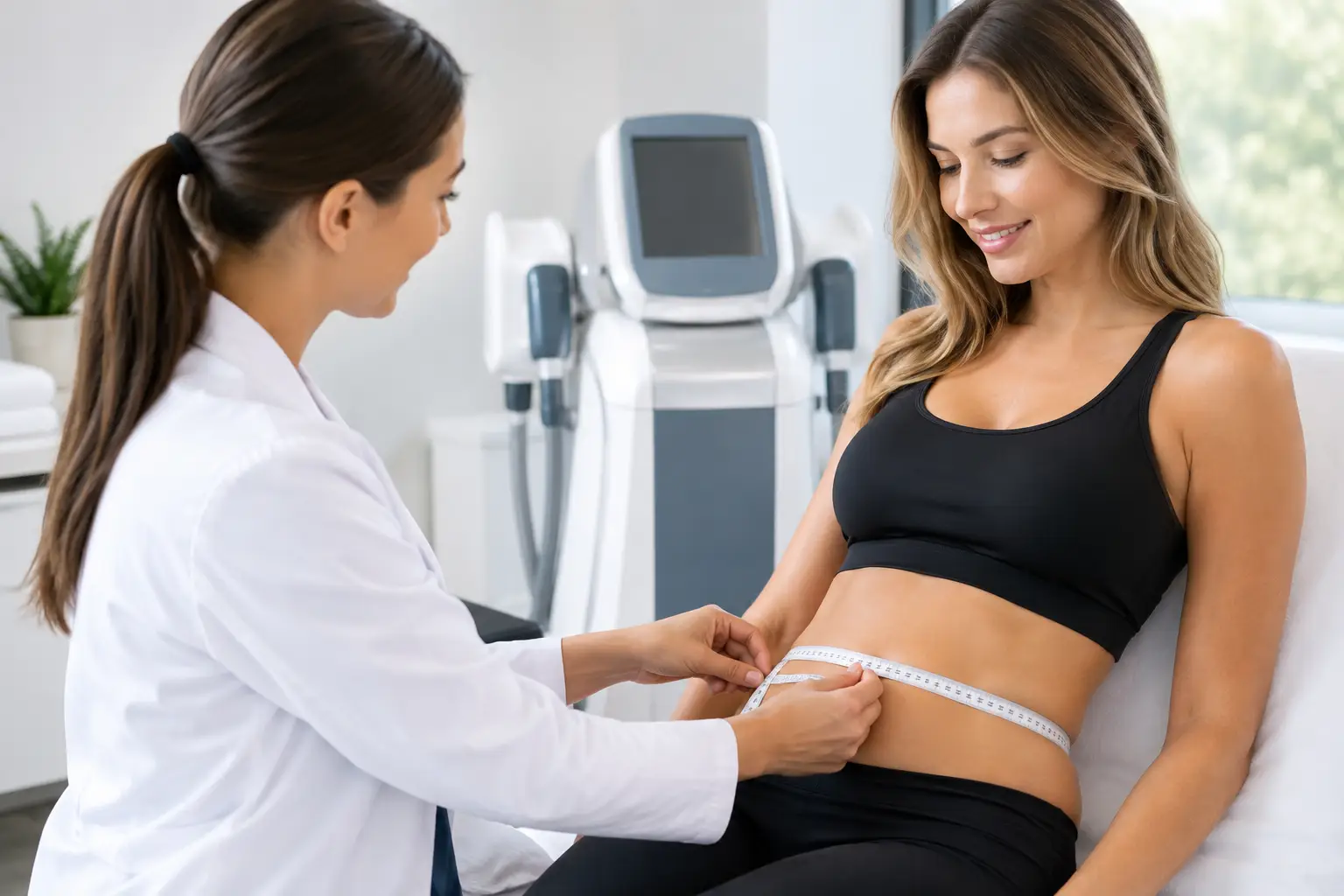
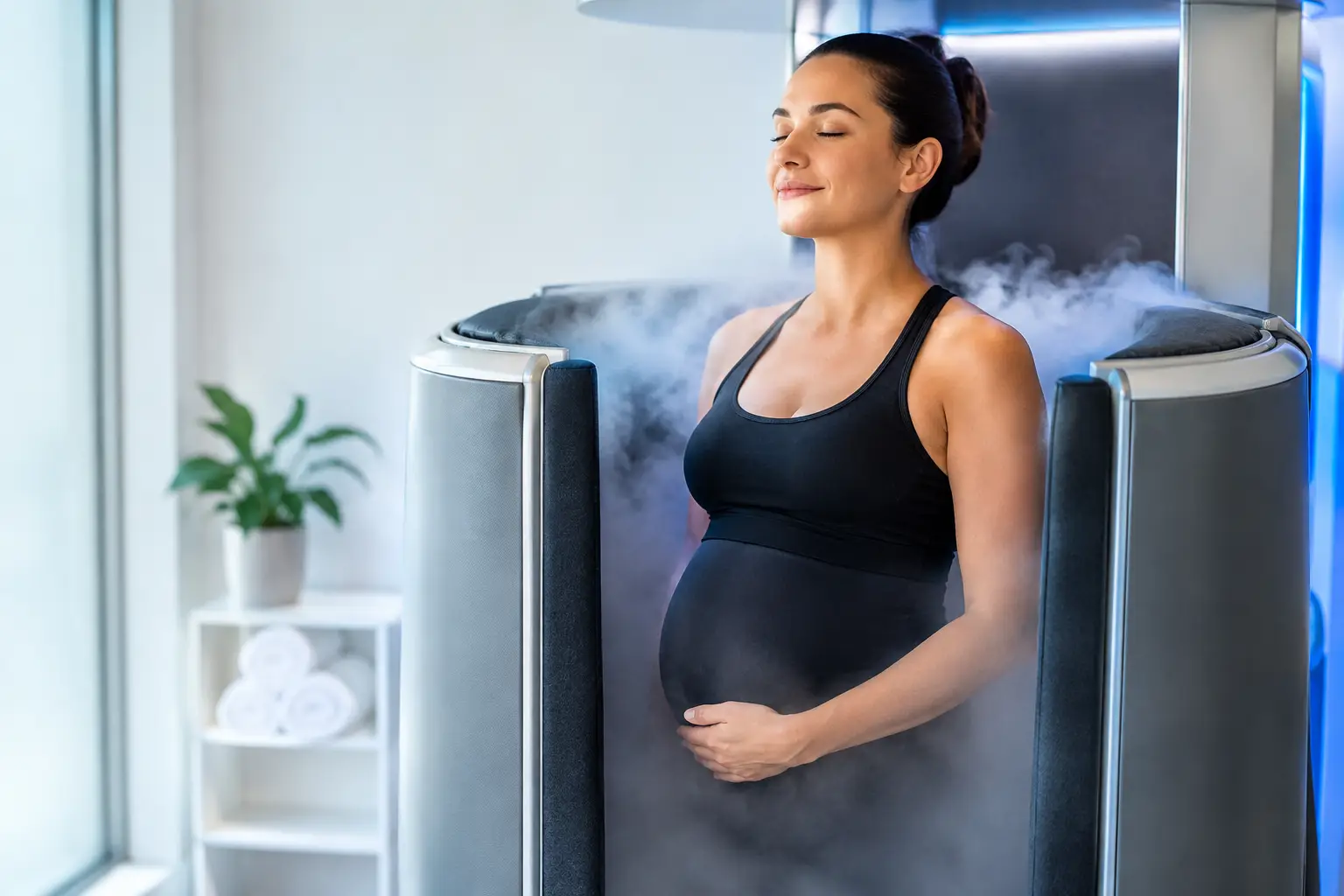
Pregnancy can make familiar aches feel brand new: a sore low back, swollen feet, tight hips, restless legs, or a workout recovery routine that suddenly needs a reset. So, is cryotherapy safe during pregnancy? The practical answer is that elective cryotherapy treatments are generally best postponed until after delivery unless your OB-GYN or qualified prenatal care provider specifically approves a limited form of cold therapy.
That includes whole-body cryotherapy, localized cryotherapy sessions, and cryolipolysis or fat-freezing treatments. They are not interchangeable services, but pregnancy changes the risk-benefit calculation for all of them. When the benefit is optional and safety data is limited, the smart move is simple: protect the pregnancy first and save the wellness treatment for later.
Is Cryotherapy Safe During Pregnancy?
There is not enough high-quality research to say that professional cryotherapy is safe during pregnancy. That does not automatically mean every form of cold exposure causes harm. It does mean that providers and patients should avoid treating a lack of evidence as proof of safety.
Pregnancy affects circulation, blood pressure, body temperature regulation, skin sensitivity, balance, and fluid retention. A treatment that feels quick and manageable before pregnancy can feel very different while your body is supporting a growing baby. Even an uncomplicated pregnancy deserves a more conservative approach.
For most people, whole-body cryotherapy is not recommended during pregnancy. Sessions expose the body to extremely cold temperatures, typically for a short duration, but the cold is intense enough to create a strong systemic response. Your body may constrict blood vessels, shiver, and work to preserve core temperature. Those effects are exactly why whole-body cryotherapy is popular for recovery, but they are also why it is not the right place to experiment during pregnancy.
Localized Cryotherapy Is Different, but Still Needs Clearance
Localized cryotherapy targets a specific area, such as a knee, shoulder, ankle, or muscle group. Unlike whole-body treatment, it does not expose the entire body to extreme cold. That distinction matters, especially for people managing a lingering sports injury or localized pain.
Still, localized does not automatically mean pregnancy-safe. Professional cold therapy can create a significant temperature change in the treatment area, and the appropriate settings depend on the body part, your stage of pregnancy, your health history, and the reason you want treatment. There is no universal green light for treating pregnant clients with localized cryotherapy.
A clinician may recommend conservative cold application for a minor injury, swelling, or localized discomfort. That is different from scheduling an elective cryotherapy session based on a wellness goal. If your doctor or midwife approves cold therapy, ask for clear guidance on where to apply it, how cold it should be, how long to use it, and how often.
Avoid applying intense cold directly over the abdomen, pelvis, or low back without explicit medical direction. Also avoid treatment if you have reduced sensation, circulation concerns, skin changes, or a condition that makes cold exposure more complicated.
When Cold Therapy May Need Extra Caution
Your prenatal provider should be part of the decision if you have high blood pressure, preeclampsia risk, diabetes, Raynaud’s phenomenon, neuropathy, vascular disease, heart concerns, clotting issues, or a high-risk pregnancy. These conditions can affect how your body responds to cold and circulation changes.
The same caution applies if you are experiencing dizziness, fainting, unusual swelling, severe headaches, chest discomfort, vaginal bleeding, contractions, abdominal pain, or reduced fetal movement. Those symptoms call for medical evaluation, not a recovery appointment.
Cryolipolysis and Pregnancy: Wait Until After Delivery
Cryolipolysis, often called fat freezing, is an aesthetic body-contouring treatment. It uses controlled cooling to target fat cells under the skin. It is not a weight-loss procedure, and it is not designed for pregnancy-related body changes.
Pregnancy is a standard reason to postpone cryolipolysis. Your body composition, fluid levels, skin elasticity, and circulation are changing throughout pregnancy and often well into the postpartum period. More importantly, elective fat-reduction treatments have no place in a period when maternal and fetal safety come first.
If you are thinking ahead to postpartum body contouring, give your body time to recover. Your timeline may depend on delivery type, healing, breastfeeding plans, abdominal changes, and clearance from your healthcare provider. A personalized consultation after delivery will be more useful than trying to treat a body that is still changing week to week.
Why “I Feel Fine” Is Not the Only Test
Many active people feel strong throughout pregnancy. They may continue modified strength training, walking, swimming, mobility work, and other doctor-approved activity. Feeling good is a great sign, but it does not make every recovery or aesthetic treatment appropriate.
Cryotherapy is often used to reduce inflammation, ease soreness, and support faster recovery. During pregnancy, though, swelling and discomfort can have many causes. A sore calf could be a simple muscle issue, but one-sided pain and swelling can also require urgent medical attention. Persistent back pain may be mechanical, or it may need a prenatal evaluation. The goal is not to assume that every discomfort is something to cool down.
This is especially relevant for athletes and fitness-focused clients. Pregnancy may change training volume, hydration needs, joint stability, and recovery capacity. The best recovery plan may be less about adding an intense modality and more about adjusting load, sleep, mobility, footwear, and support from a prenatal-informed clinician.
Safer Ways to Manage Common Pregnancy Discomforts
There are plenty of low-risk ways to support comfort while you wait to resume elective cryotherapy. The right option depends on your symptoms and your provider’s advice, but many expecting parents benefit from prenatal physical therapy, gentle movement, supportive footwear, pregnancy pillows, compression socks when approved, and modified strength work.
For a minor muscle ache or a small area of swelling, your provider may approve a standard cold pack wrapped in a thin towel for a brief period. Do not place ice directly on the skin, fall asleep with a cold pack on, or use cold to push through worsening pain. A short, controlled application is very different from extreme cold exposure.
Warm showers, prenatal massage from a qualified provider, swimming, and targeted mobility can also help some people feel better. Heat needs caution too, particularly anything that raises core body temperature significantly, such as hot tubs and saunas. Your prenatal provider can help you choose the right balance.
Questions to Ask Your OB-GYN Before Any Cold Treatment
If you are considering professional localized cold therapy, bring specific questions to your next prenatal appointment. Ask whether cold is appropriate for your exact symptom, whether the treatment area should be avoided, and whether there are time or temperature limits you should follow.
It also helps to ask whether your current symptoms need evaluation before you try any self-care. Be honest about the type of service you are considering. “Cold therapy” can mean an ordinary gel pack, a localized professional session, whole-body cryotherapy, or cryolipolysis. Your provider needs the details to give useful guidance.
A responsible cryotherapy provider should also ask about pregnancy before treatment and respect medical restrictions without pressure. Wellness services should support your health plan, not compete with it.
When to Return to Cryotherapy After Pregnancy
There is no one-size-fits-all return date. Some people feel ready to explore localized recovery services after routine postpartum clearance. Others need more time, especially after a C-section, pelvic floor concerns, complications, significant blood loss, or a difficult recovery.
For athletic recovery, start with the fundamentals: progressive movement, adequate nutrition, hydration, sleep where possible, and a postpartum-aware training plan. Once you are cleared, localized cryotherapy may be worth discussing for a specific sore joint, muscle group, or recovery goal.
For aesthetic cryotherapy services such as fat freezing, wait until your weight and body changes have stabilized and your medical provider agrees you have recovered adequately. If you are breastfeeding, ask both your OB-GYN and your treatment provider about timing rather than relying on a generic timeline.
Pregnancy is a season for thoughtful choices, not missed opportunities. Put elective cryotherapy on pause, get clear advice for any pain or swelling, and focus on the comfort strategies that keep you moving, resting, and feeling supported now.