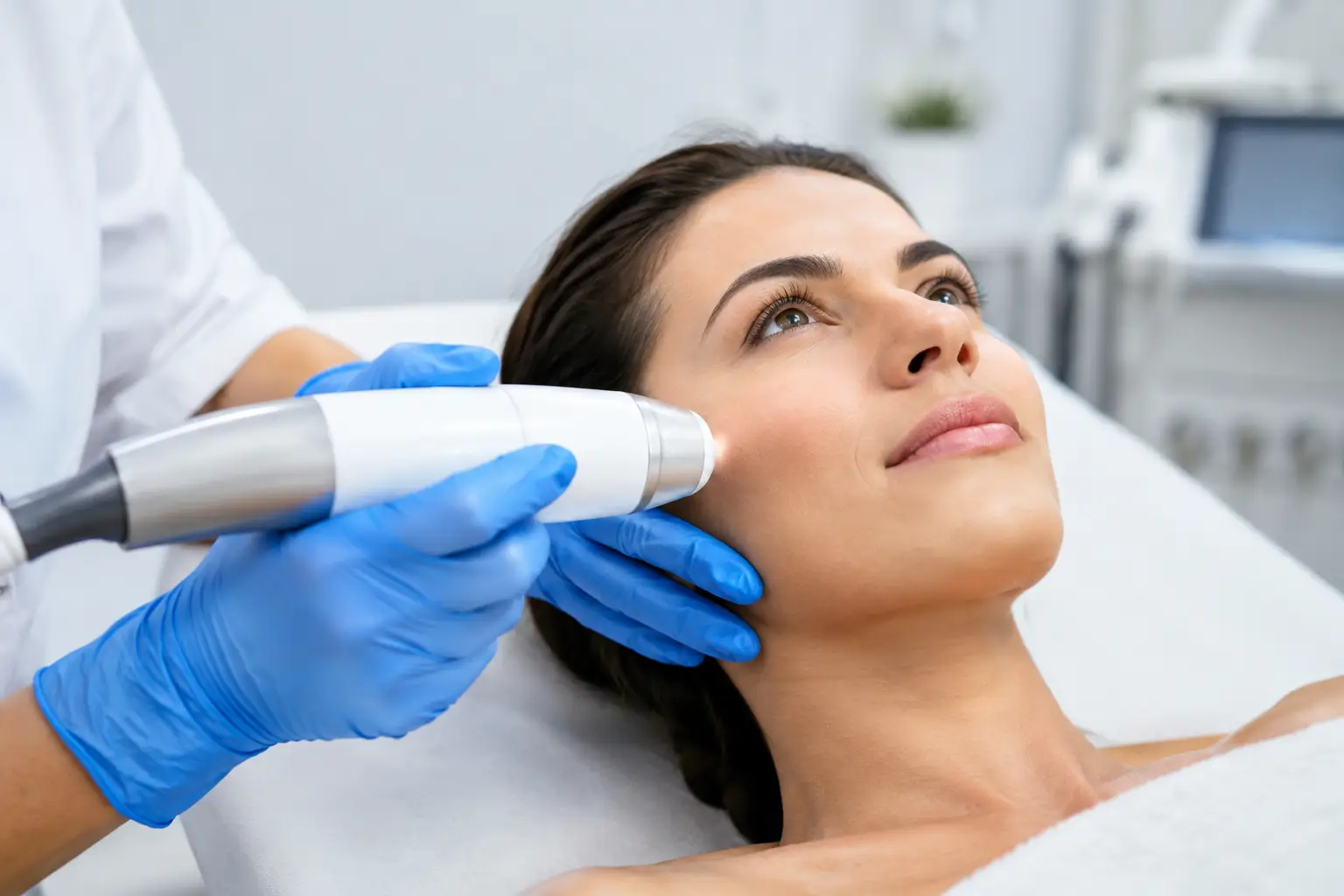
A scar can be a daily reminder of acne, surgery, an injury, or a burn. If you are searching for cryo scar removal Miami options, you likely want a solution that feels less aggressive than another procedure and more targeted than another jar of cream. Localized cryotherapy can be part of that conversation, but the right results depend heavily on the kind of scar you have.
Cold therapy is precise, fast, and non-invasive. It can support skin-focused treatment plans by targeting a specific area rather than exposing the entire body to extreme cold. Still, “scar removal” is a broad phrase. Some raised scars may respond to medically administered cryotherapy, while flat, indented, or discolored scars often need a different approach or a combined plan.
What cryo scar removal can and cannot do
Cryotherapy uses controlled cold to affect tissue in a focused treatment area. In dermatology, medical cryosurgery may be used to freeze certain abnormal or raised tissues. For scars, this is most commonly discussed for thick, raised scars such as keloids and hypertrophic scars. These scars can develop after surgery, piercings, acne, burns, or other skin trauma and may feel firm, itchy, tender, or tight.
The goal is not to promise that a scar will disappear overnight. The more realistic goal is often to reduce thickness, soften the scar, improve comfort, and make it less visually prominent over time. Some people see a noticeable change in texture and elevation. Others benefit most when cold-based treatment is paired with a clinician-recommended plan such as steroid injections, silicone therapy, laser treatment, or scar massage.
Not every mark labeled a scar should be treated with freezing. Acne indentations, stretch marks, surgical scars that have healed flat, and pigmentation changes require a different strategy. Cryotherapy may not be the right standalone choice for those concerns, and aggressive freezing can potentially worsen discoloration or create unwanted changes in the skin if performed improperly.
Which scars may be candidates for localized cold therapy?
A professional assessment matters because scar behavior matters. Raised scars that remain within the original wound area are known as hypertrophic scars. Keloids extend beyond the original injury and can continue growing. Both may be evaluated for cryotherapy, especially when they are thick, uncomfortable, or resistant to simpler scar-care methods.
Cryotherapy may also be considered when a scar causes sensitivity, friction from clothing, or limited movement near a joint. A raised scar on the shoulder, chest, earlobe, jawline, or knee can be more than a cosmetic issue. It may pull, itch, or become irritated during workouts and daily activity.
The location of the scar, your skin tone, the age of the scar, and your history of abnormal scarring all affect the recommendation. Miami clients with deeper skin tones should be especially thoughtful about discussing pigment-change risk with a qualified medical provider. Cold injury can cause temporary or lasting lightening or darkening of the treated area, so precision and proper screening are essential.
What a cryo scar removal Miami appointment may feel like
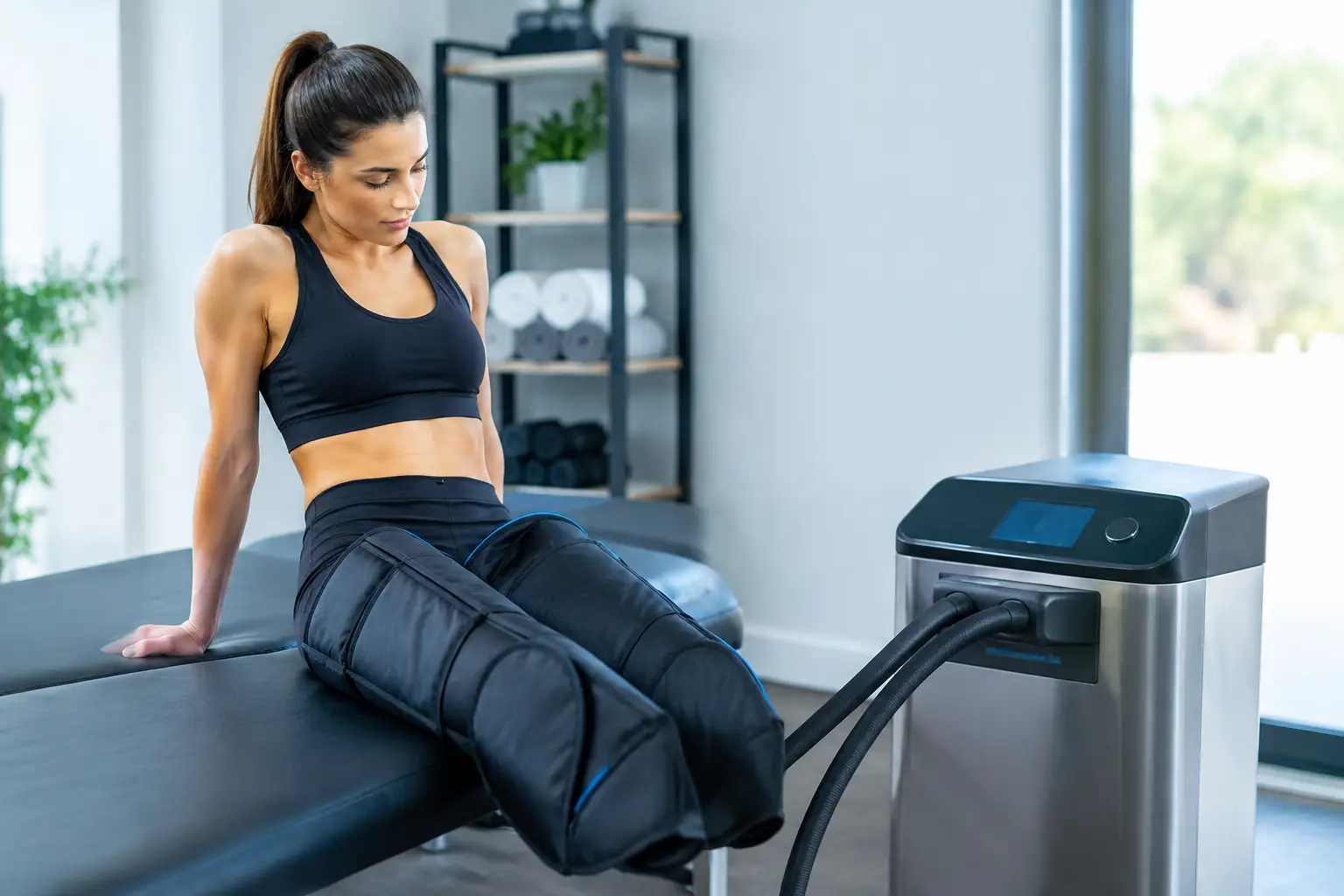
A localized cold-therapy session is designed to focus on the treatment area, not your whole body. You may feel intense cold, pressure, tingling, or temporary numbness during the session. The exact experience depends on whether you are receiving wellness-focused localized cryotherapy or medical cryosurgery for a raised scar.
Medical scar cryotherapy should be performed or directed by a licensed medical professional with experience treating scars. They will assess the scar and determine whether freezing is appropriate, how deeply to treat, and whether multiple visits are needed. After treatment, the skin may look red or swollen. Depending on the technique and treatment depth, blistering or crusting can occur as the area heals.
Localized cryotherapy used in a wellness setting has a different role. It is not a substitute for medical scar revision or dermatologic cryosurgery. It may be used as supportive care around recovery, comfort, circulation, and inflammation management when appropriate, but it should never be presented as a guaranteed method for removing every scar.
Results take a plan, not one cold session
Scars remodel slowly. Collagen in scar tissue changes over weeks and months, which is why a single treatment rarely tells the full story. With raised scars, providers may recommend a series of sessions with enough time between them to monitor healing and response.
Your best plan may include more than one modality. For example, a provider may combine cryotherapy with compression, silicone sheets, corticosteroid treatment, laser therapy, or surgery for stubborn scars. The best route depends on the scar’s shape, depth, location, symptoms, and how your skin has responded to past treatments.
Be cautious of any service that promises complete scar removal with no evaluation, no discussion of risk, and no aftercare instructions. Good care is specific. It starts with identifying what kind of scar you have and setting a realistic improvement goal.
When cold therapy may not be the right choice
Cryotherapy is not the first answer for every skin concern. If your scar is new, infected, open, actively bleeding, or changing quickly, seek medical assessment before pursuing an aesthetic treatment. A scar that is painful, ulcerated, or growing without a clear cause also deserves prompt evaluation.
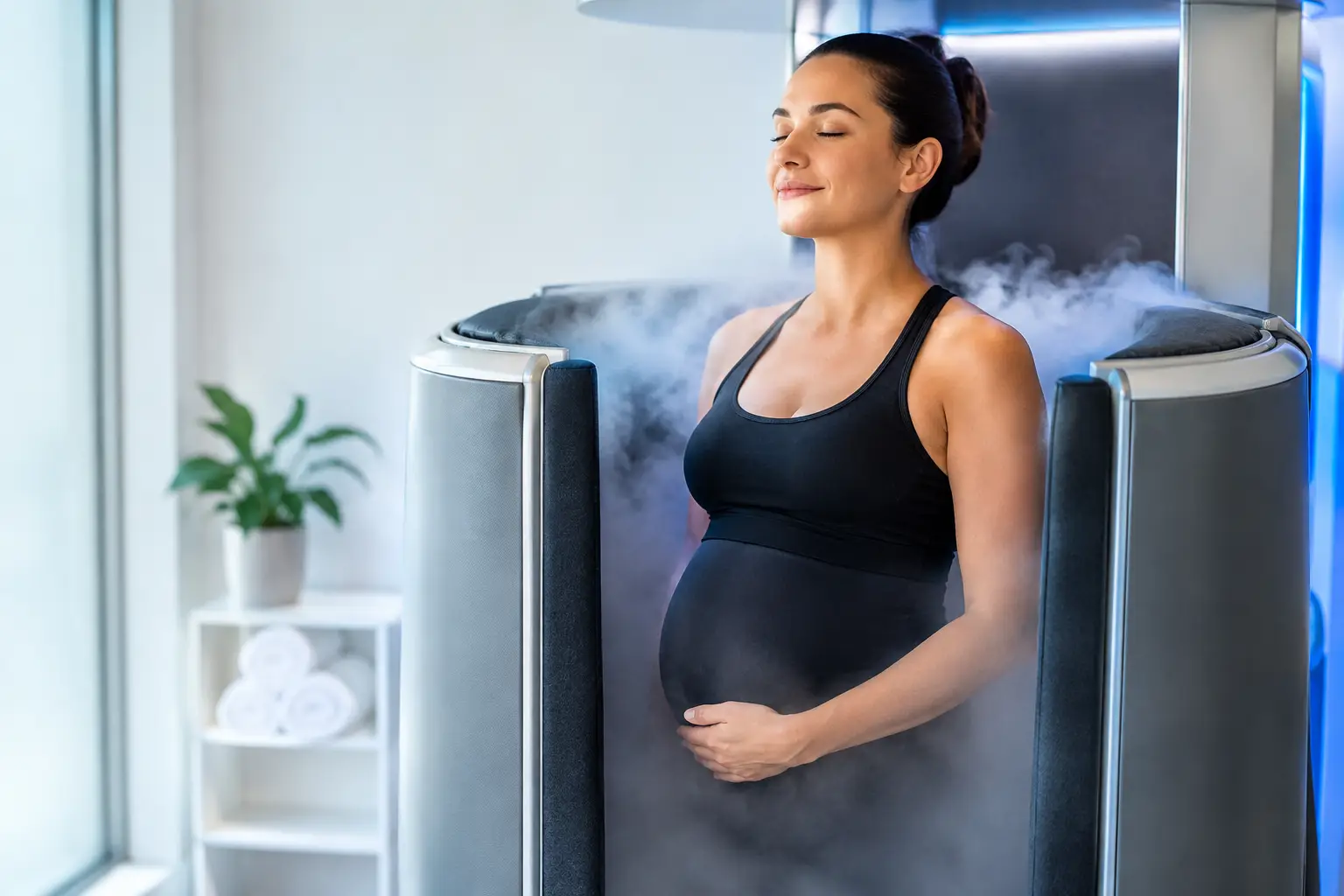
People with cold sensitivity conditions, poor circulation, certain nerve conditions, or a history of pigment complications should disclose that information before treatment. The same goes for anyone who is pregnant, taking medications that affect healing, or managing diabetes or an immune-related condition. A qualified provider can help determine whether treatment should be modified, delayed, or avoided.
There is also a key distinction between a scar and a suspicious skin growth. Cryotherapy is used medically for some skin lesions, but no cosmetic or wellness service should diagnose or freeze an unexplained mole, changing spot, or possible skin cancer. Get a dermatologist’s evaluation first.
How to prepare for your consultation
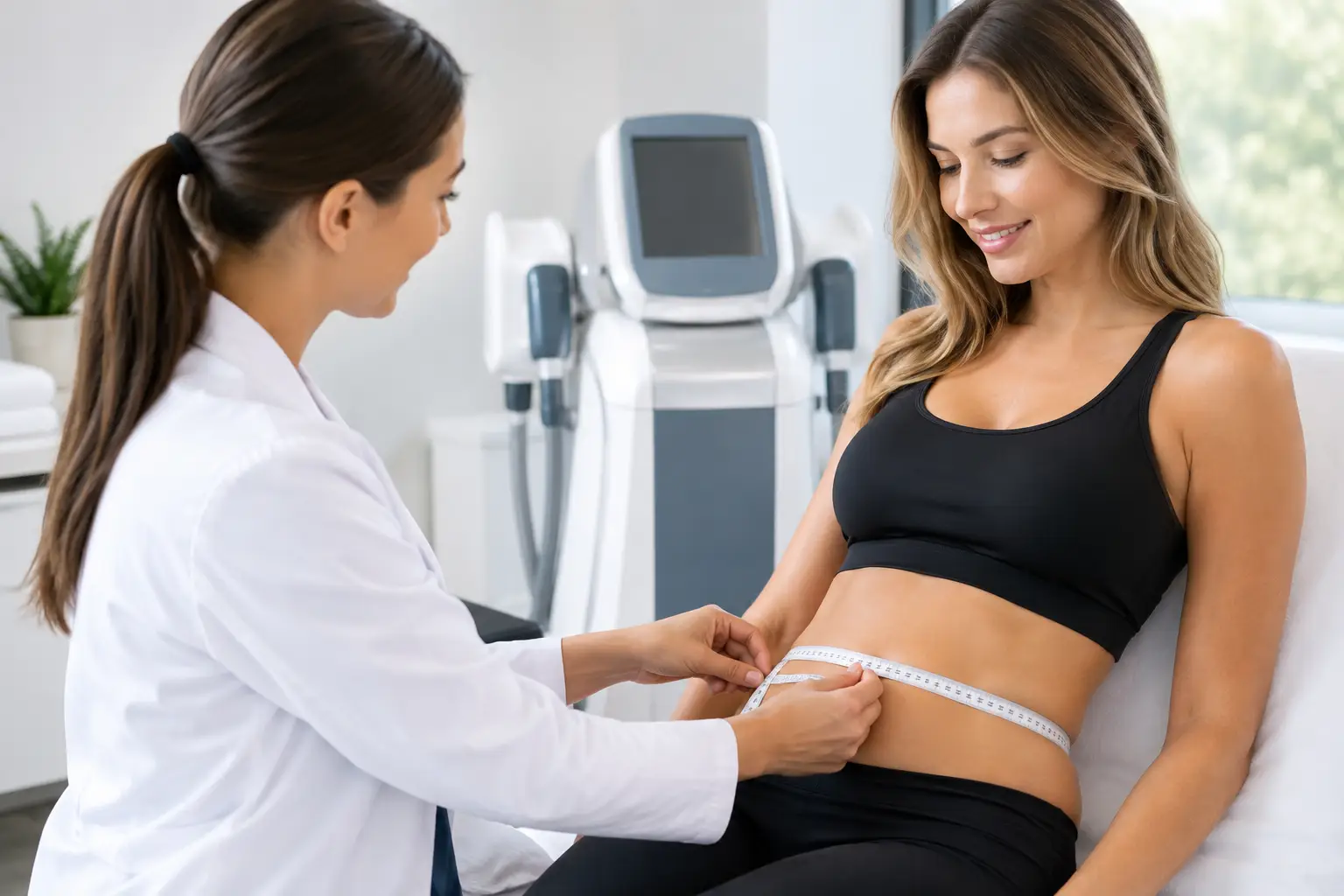
Come prepared to describe when the scar formed, what caused it, and what you have tried so far. Photos of the scar shortly after the original injury can be helpful if the appearance has changed. Let your provider know whether you have formed keloids before, especially after piercings, surgery, or acne.
Ask direct questions about your expected outcome. Will the goal be to flatten the scar, reduce discomfort, soften the texture, or improve its color? How many treatments might be needed? What side effects are most relevant to your skin type? What should you do if you develop blistering, drainage, or unexpected pain after treatment?
If convenience is part of your decision, CryoNook brings localized cryotherapy to clients across Miami-Dade for targeted wellness and recovery support. For scar concerns that may require tissue freezing or medical intervention, start with a dermatology professional and use supportive services only within a plan that fits your diagnosis.
Smart aftercare protects your results
After any scar-focused cold treatment, follow the instructions you receive rather than copying someone else’s routine online. Keep the area clean, avoid picking at peeling or crusted skin, and protect healing skin from strong sun exposure. UV exposure can make color changes more noticeable, particularly in South Florida.
Contact your medical provider if you notice increasing redness, warmth, pus, fever, severe pain, or a reaction that feels outside the aftercare guidance you were given. These are not details to push through for the sake of faster results.
The most effective scar plan is the one that matches your actual skin, your scar type, and your goal. Start with a clear assessment, choose targeted care over hype, and give the healing process the time it needs.