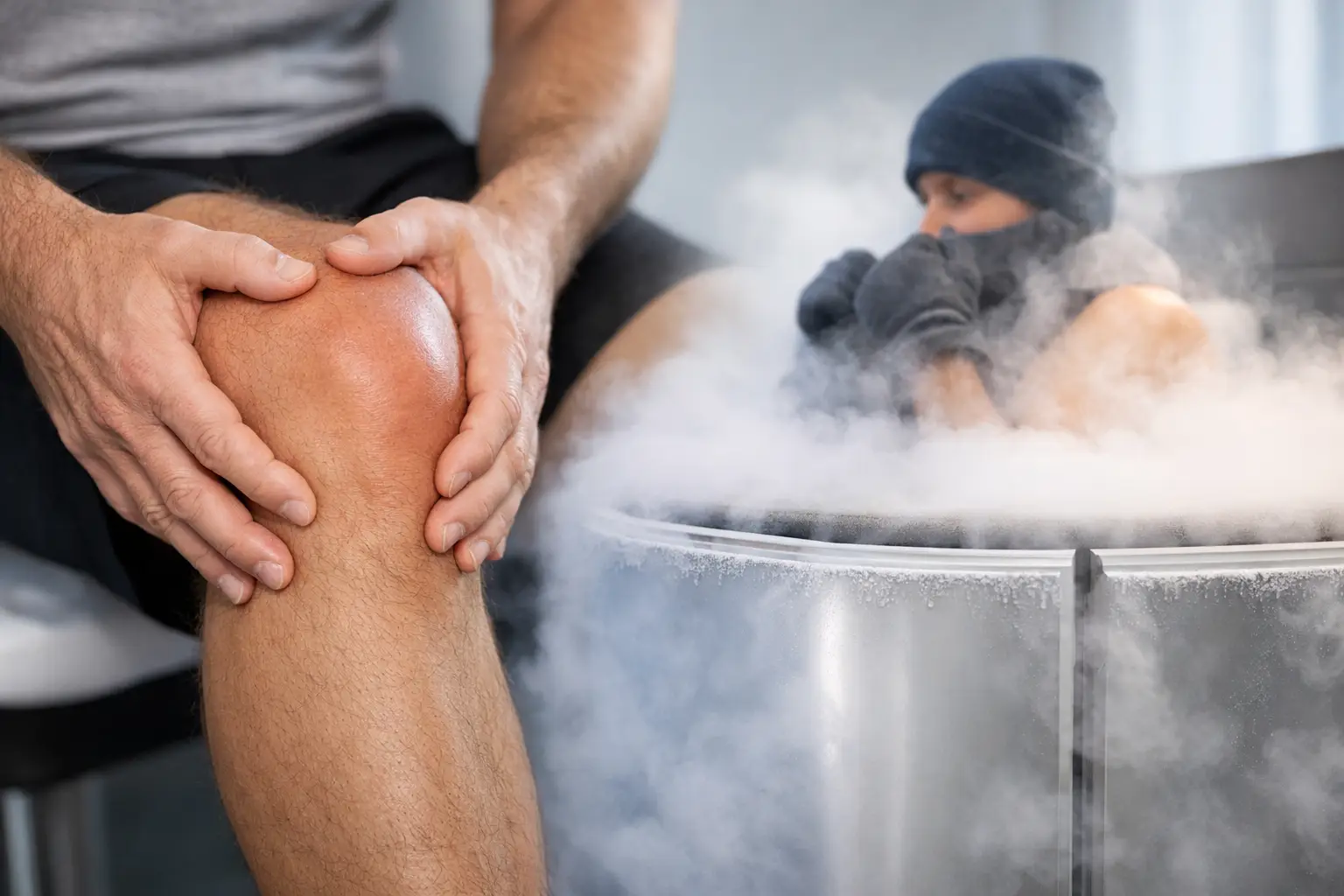
A knee that suddenly feels tight after a long run. An ankle that swells after a bad landing. Knuckles that look puffy by the end of the day. The question, does cryotherapy help swollen joints, usually comes up when you want relief now without immediately reaching for medication.
For many people, targeted cold therapy can be a smart part of the first-response plan. Cold can temporarily reduce pain, limit the sensation of heat, and help manage swelling after activity or a minor injury. But it is not a cure for every swollen joint, and the cause of the swelling matters. A focused approach gives you the best chance of feeling better while avoiding the mistake of masking a problem that needs medical attention.
Does Cryotherapy Help Swollen Joints?
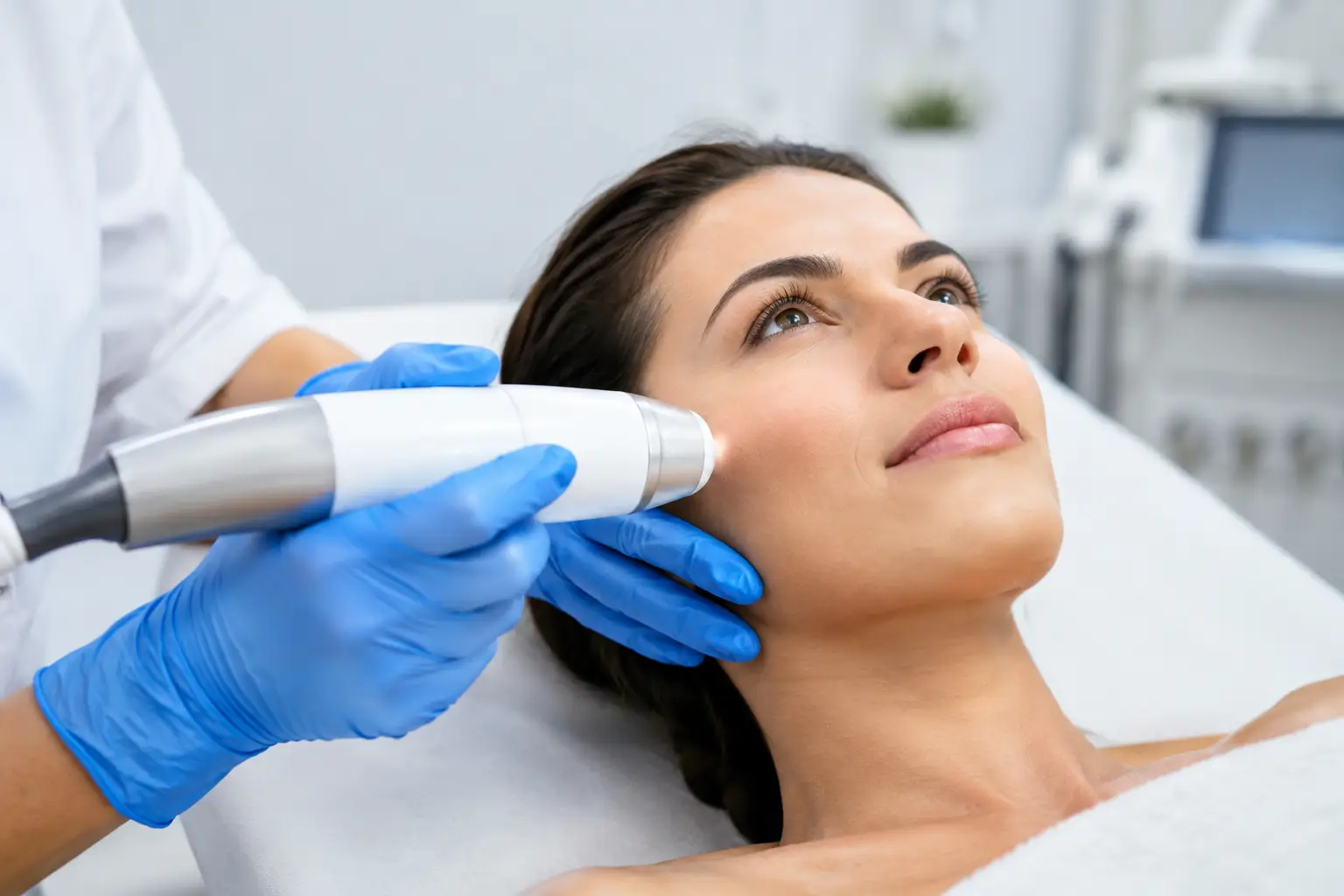
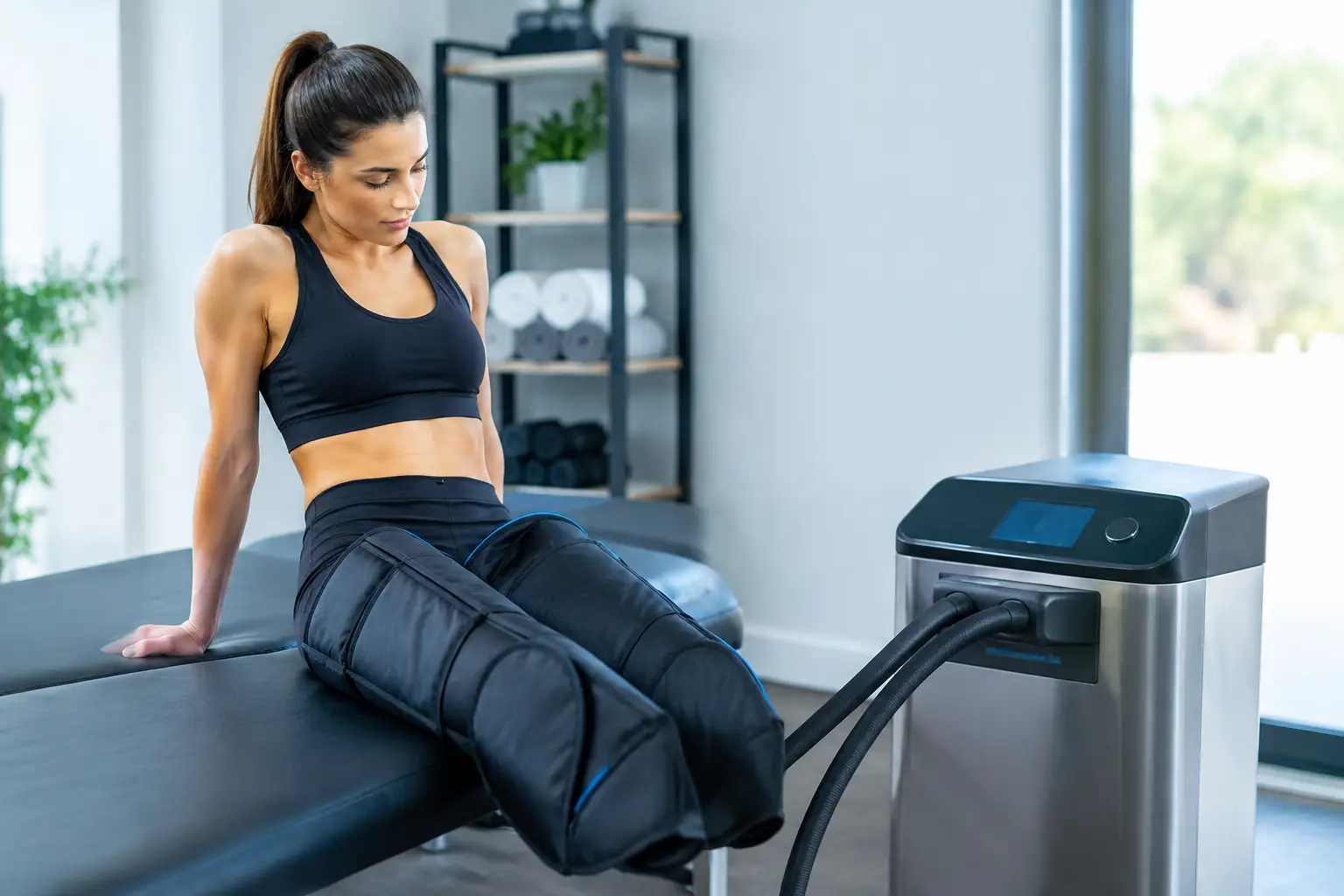
Often, yes – especially when swelling is tied to a recent workout, overuse, a minor sprain or strain, or an irritated joint after an active day. Localized cryotherapy uses controlled cold air on a precise area, such as a knee, shoulder, wrist, ankle, or elbow. The goal is to cool the targeted tissue quickly without treating the entire body.
Cold exposure causes blood vessels near the surface to narrow temporarily. That response can help reduce blood flow to an irritated area and may limit the buildup of fluid associated with acute inflammation. It also slows nerve signaling, which is one reason a sore, throbbing joint can feel calmer after treatment.
The practical benefit is simple: a swollen joint may feel less hot, less achy, and easier to move after a session. For athletes, that can make recovery more comfortable after training. For someone managing recurring soreness, it can create a useful window to move more comfortably, follow a rehab plan, or simply get through the day with less distraction.
What cryotherapy does not do is repair a torn ligament, reverse arthritis, eliminate an infection, or diagnose the source of swelling. Think of it as a non-invasive recovery tool that supports symptom management, not a substitute for proper evaluation when symptoms are serious or persistent.
Why Targeted Cold Therapy Can Feel Different
A bag of ice is familiar, inexpensive, and sometimes helpful. It can also be awkward to hold in place, difficult to use consistently, and uncomfortably wet. Leaving ice on too long can irritate the skin or create an excessive cooling effect.
Localized cryotherapy is designed to deliver a brief, controlled application to the exact area that is bothering you. Rather than cooling your full body, the treatment stays focused on the joint and surrounding soft tissue. That precision matters when one knee is flaring up after leg day or one shoulder feels aggravated after tennis.
For active adults, the appeal is speed. A localized session is short, requires no downtime, and can fit around work, training, physical therapy, or a busy Miami schedule. At CryoNook, the mobile model also means treatment can come to your home, so you can focus on recovery rather than adding another drive to your day.
When Cold Therapy Makes the Most Sense
Cryotherapy tends to be most useful when a joint is newly irritated or noticeably more swollen after a specific trigger. You may have pushed volume too hard in the gym, played a weekend sport, spent hours on your feet, or returned to activity after time off. In those situations, cold can be a practical way to settle the area before the next phase of recovery.
It can also be useful after demanding training blocks, particularly when soreness and mild puffiness are getting in the way of normal movement. The goal is not to force a workout through pain. The goal is to reduce discomfort so you can recover intelligently and return to activity with better control.
For chronic joint issues, the answer is more individual. Some people with osteoarthritis or recurring tendon irritation find cold helpful after activity, especially if the joint feels warm or swollen. Others may feel stiffer with cold and do better with gentle heat before movement, then cold after activity. Your response matters more than a one-size-fits-all rule.
Cold is usually best for hot, puffy, irritated joints
If the joint feels warm, looks visibly swollen, or aches after a recent flare-up, cold is often the more logical choice. If the main issue is stiffness without swelling, especially first thing in the morning, light movement or heat may feel better before activity.
Many recovery plans use both at different times. Heat can prepare stiff muscles for movement, while cold may help settle a joint after a workout, a long shift, or a rehabilitation session. The right timing depends on the injury, your symptoms, and guidance from your healthcare provider or physical therapist.
Cryotherapy Works Best With a Recovery Plan
The fastest route to less swelling is rarely one treatment alone. If your joint is overloaded every day, relief may be temporary until the workload changes. Pair cold therapy with the basics: reduce aggravating activity for a short period, protect the joint if needed, keep gentle pain-free movement in your routine, and prioritize sleep, hydration, and recovery nutrition.
If you are in physical therapy, cryotherapy can complement the plan by making post-exercise soreness more manageable. It may also help after approved mobility or strengthening work when the area is irritated but not seriously injured. The key is not to use temporary relief as permission to jump right back into the same workload that caused the flare-up.
A good rule: judge progress by how the joint behaves over the next 24 to 48 hours. If swelling decreases and movement improves, your recovery plan is likely moving in the right direction. If swelling returns immediately, worsens, or changes the way you walk, lift, or use the joint, it is time to reassess.
When Swollen Joints Need Medical Care First
Do not treat every swollen joint as routine exercise soreness. Sudden or severe swelling can have causes that need prompt medical evaluation, including a fracture, significant ligament injury, infection, gout, or a blood clot-related concern depending on the location and symptoms.
Seek urgent medical care if swelling comes with any of the following:
- A fever, chills, or a joint that is intensely red and hot
- A visible deformity, severe pain, or inability to bear weight or use the limb
- Numbness, pale or blue skin, or major changes in circulation
- Swelling after a significant fall, collision, or twisting injury
- Calf swelling, chest pain, or shortness of breath
It is also wise to speak with a clinician before cryotherapy if you have poor circulation, Raynaud’s phenomenon, cold sensitivity, reduced sensation from neuropathy, or a condition that affects how your skin responds to cold. Avoid applying cryotherapy directly over open wounds unless a qualified professional has specifically advised it.
What to Expect From a Localized Session
A localized cryotherapy session should feel intensely cold but tolerable. A trained provider targets the affected area and monitors the skin response throughout treatment. You may notice a quick numbing sensation followed by less throbbing or a lighter feeling around the joint.
Results vary. Some clients feel immediate relief, while others notice the biggest difference after a few consistent sessions paired with rest and smarter training adjustments. Swelling caused by a major structural injury will not disappear simply because the area feels better for an hour. That is why honest symptom tracking matters.
If your knee, ankle, shoulder, or wrist is puffy after activity and you want a fast, non-invasive option, targeted cryotherapy can be a valuable addition to your recovery routine. Use the relief as an opportunity to recover with intention, move within your limits, and get medical guidance whenever the swelling does not match the story of a minor flare-up.