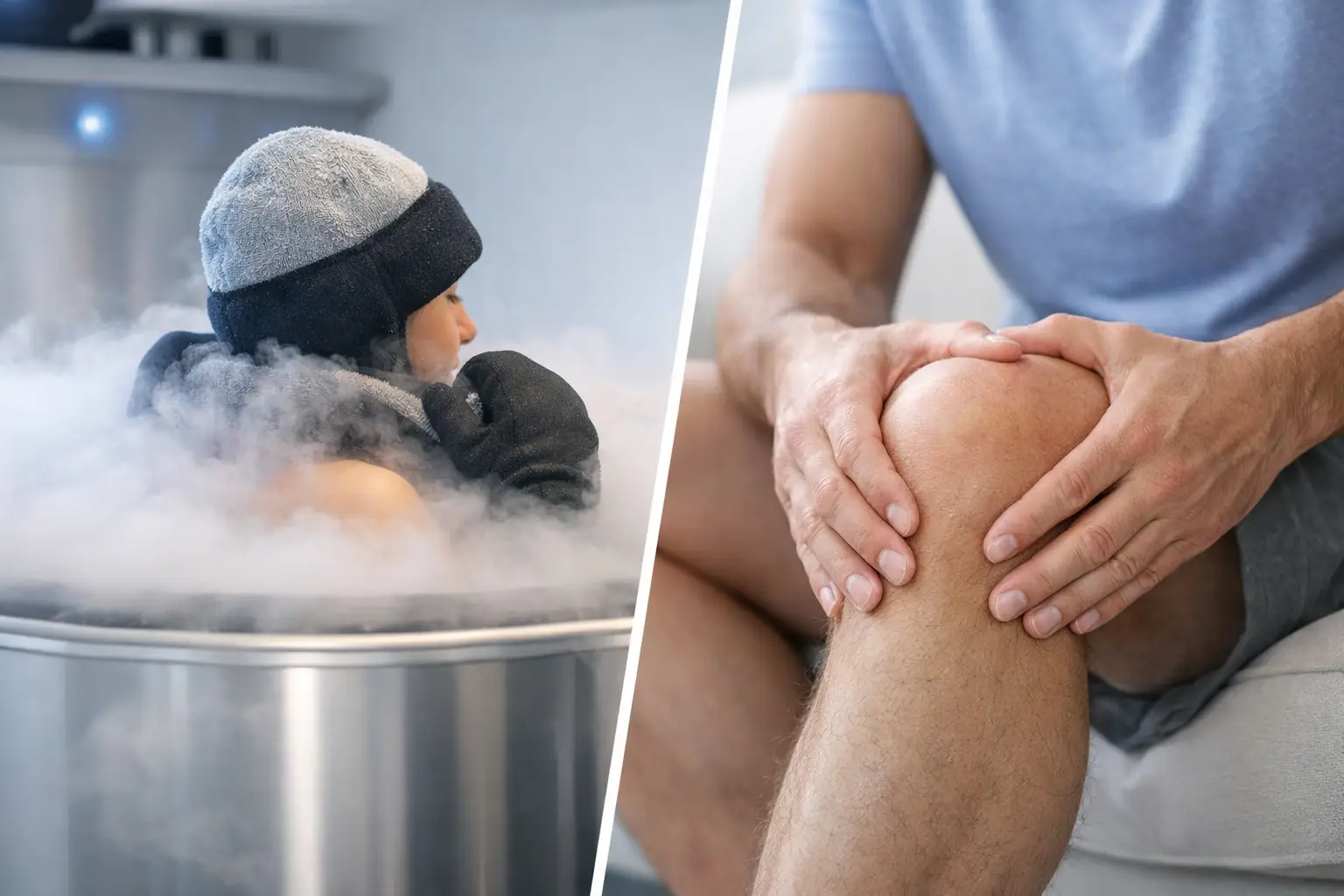
A stiff knee can turn a short walk into a negotiation. A swollen hand can make opening a jar feel like a workout. When arthritis flares, the goal is not simply to push through pain. It is to calm the joint enough that daily movement feels possible again. So, does cryotherapy help arthritis? For many people, localized cold therapy can provide short-term relief from pain, warmth, and swelling, especially when used as part of a broader arthritis care plan.
It is not a cure for arthritis, and it does not repair worn cartilage or replace medical treatment. What it can do is give an irritated joint a fast, non-invasive reset that may help you move more comfortably.
Does Cryotherapy Help Arthritis? The Practical Answer
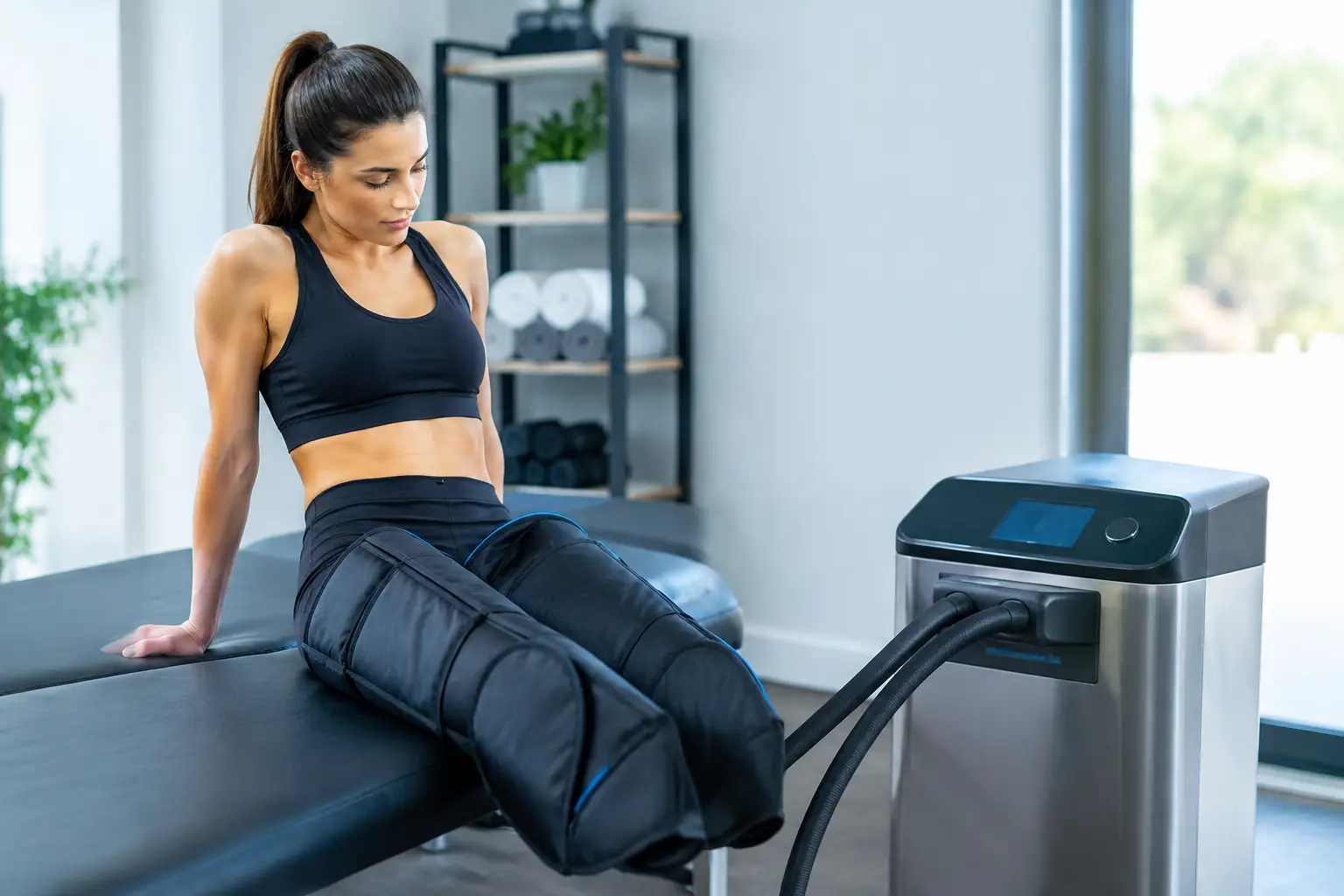
Cold therapy has been used for sore, swollen joints for generations. Localized cryotherapy takes that familiar principle and applies it precisely to the area causing trouble, such as a knee, shoulder, wrist, ankle, hip, or hand. The treatment uses controlled cold air to target the joint and surrounding tissue without treating the entire body.
When an arthritic joint is inflamed, blood flow increases and the area may feel hot, puffy, tender, and difficult to move. Brief cold exposure can reduce the sensation of pain, help limit swelling, and create a numbing effect that makes movement more manageable. Many clients use localized cryotherapy when a flare is keeping them from walking, exercising, sleeping well, or getting through a busy day.
The key word is temporary. Relief may last long enough to make physical therapy, mobility work, errands, or a workout feel more achievable. Results vary based on the type of arthritis, the severity of symptoms, the joint being treated, and the rest of your treatment plan.
Why Cold Can Make an Arthritic Joint Feel Better
Arthritis is not one single condition. Osteoarthritis usually involves gradual cartilage breakdown and joint changes over time. Rheumatoid arthritis and other inflammatory forms of arthritis involve an immune-driven process that can cause persistent inflammation. Both can create pain and stiffness, but the role of cold therapy may look different from person to person.
For a joint that feels hot and swollen after activity, cold often makes sense. It can reduce the immediate discomfort that follows a long day on your feet, a hard training session, travel, or repetitive movement. For knee osteoarthritis, for example, localized cryotherapy may be especially useful after activity when soreness and swelling increase.
Cold also changes how pain signals are perceived. By cooling the surface tissue and nearby nerves, it can blunt the intensity of the pain message reaching the brain. That does not mean the underlying arthritis is gone. It means the joint may feel calmer enough to move with better confidence.
For some people, warmth is more helpful before movement, particularly when the main issue is stiffness rather than swelling. A warm shower in the morning followed by gentle mobility may loosen a stiff joint, while cold therapy later can help after activity. Arthritis management is rarely one-size-fits-all. Pay attention to what your body responds to.
Localized Cryotherapy vs. an Ice Pack
An ice pack at home can be useful, affordable, and familiar. Localized cryotherapy is not meant to make ice packs obsolete. It offers a different experience: rapid, controlled cold delivered to a specific area for a short session.
The precision matters when one joint is the clear problem. Rather than cooling a broad area with a heavy pack that may shift or feel uncomfortably wet, a provider can focus on the knee cap, the sides of the knee, the wrist, or the surrounding muscle tissue. The treatment is quick, non-invasive, and requires no downtime.
Some clients also prefer professional sessions because the treatment can be built into a recovery routine. If your arthritis symptoms are stopping you from staying active, targeted cold therapy may be a practical tool before or after low-impact exercise, rehabilitation, or a demanding day.
Still, more intensity is not automatically better. The best approach is a controlled treatment delivered by a trained professional, not prolonged exposure meant to chase a bigger effect.
What Cryotherapy Can and Cannot Do for Arthritis
Localized cryotherapy may help manage symptoms. It may reduce the feeling of pain, calm post-activity swelling, and make it easier to follow through with the habits that protect long-term joint function. Those habits may include strength training, physical therapy, weight management when appropriate, low-impact cardio, better footwear, prescribed medication, or medical follow-up.
It cannot reverse arthritis or stop an autoimmune disease. Anyone promising that a cold treatment will rebuild cartilage, eliminate arthritis permanently, or replace a rheumatologist is overselling it.
That distinction matters because arthritis care works best in layers. Think of cryotherapy as a support tool. On the right day, it may help you take a walk instead of skipping it. It may help you complete your rehab exercises with less discomfort. It may give your joint a break after a flare. Those are meaningful wins, even when they are not a cure.
Who May Benefit Most From Localized Cold Therapy
People with osteoarthritis-related knee, shoulder, hand, hip, or ankle discomfort may find localized treatment useful when symptoms spike after activity. Active adults who want to keep training without ignoring joint pain often use it as part of their recovery routine. It can also be appealing for people who want a non-medication option to complement the guidance they already receive from their doctor.
For inflammatory arthritis, cryotherapy may be most useful when a specific joint feels swollen or hot. However, it should complement, not compete with, disease-modifying medication or other treatment prescribed by a rheumatology provider. Controlling the disease process remains the priority.
A mobile service can make a real difference when painful joints make driving, parking, and waiting around uncomfortable. CryoNook brings localized cryotherapy to clients in Miami-Dade, making it easier to fit focused pain-relief support into a demanding schedule.
When to Skip Cryotherapy and Talk to a Clinician
Cold therapy is not right for every person or every painful joint. If you have reduced sensation, significant circulation problems, cold hypersensitivity, Raynaud’s phenomenon, or a condition that affects how your skin responds to cold, ask your clinician before trying cryotherapy. The same goes for anyone with an open wound, active skin infection, or a recent procedure unless their medical provider has cleared treatment.
New joint pain deserves attention, especially if it arrives with fever, major redness, sudden severe swelling, inability to bear weight, or pain after a fall. Those symptoms can point to something more urgent than a routine arthritis flare.
It is also smart to get medical guidance if your arthritis pain is becoming more frequent, waking you at night, or no longer responding to your usual plan. Relief is valuable, but a change in symptoms can be useful information your provider needs to hear.
How to Build Cryotherapy Into an Arthritis Routine
Start with the moment your joint usually needs support. If your knee swells after a golf round, a long shift, or a workout, a localized session afterward may be a good fit. If your shoulder aches after strength training, cold therapy can be paired with recovery work and a better-balanced training plan.
During your session, communicate clearly about the exact location of pain, whether the joint feels hot or stiff, and what activities triggered the flare. Precision is one of the strongest advantages of localized treatment. A targeted approach is more useful than treating every ache the same way.
Afterward, use the window of relief wisely. Gentle range-of-motion work, approved physical therapy exercises, or low-impact movement may feel more manageable when pain is reduced. Avoid using temporary numbness as permission to overload the joint. Feeling better is a reason to move smarter, not to ignore your limits.
If you are considering a series of treatments, track what changes: pain level, swelling, sleep, walking tolerance, and how long relief lasts. That helps you decide whether cryotherapy is earning its place in your routine.
Arthritis may ask you to adapt, but it does not have to take you out of motion. When a joint is hot, sore, and holding you back, targeted cold therapy can be a fast way to reduce the noise and focus on the next comfortable step.