A hard workout should challenge your body, not leave you dragging through the next three days. The best recovery tools for athletes are not always the flashiest devices in the gym. They are the methods that help you manage soreness, restore movement, reduce unnecessary inflammation, and show up ready for your next session.
Recovery is not one-size-fits-all. A runner with tight calves, a CrossFit athlete with a sore shoulder, and a tennis player managing elbow irritation need different support. The right approach depends on your training load, injury history, schedule, sleep, and where your body is asking for attention.
Start With the Recovery Tools That Matter Most
Before buying another recovery gadget, cover the fundamentals. No tool can fully compensate for poor sleep, under-fueling, or training hard without enough rest between demanding sessions.
1. Sleep and a consistent sleep routine
Sleep is your highest-return recovery tool. It is when your body carries out much of the repair work that supports muscle recovery, hormone balance, coordination, and mental sharpness. Athletes who regularly cut sleep short often feel it in their performance first: heavier legs, slower reactions, poor motivation, and more persistent soreness.
Aim for a consistent bedtime and wake time, especially during high-volume training blocks. A dark, cool room, a reduced screen load before bed, and a post-training wind-down routine can make a meaningful difference. If you only improve one part of your recovery plan, start here.
2. Protein, carbohydrates, and hydration
You do not need a complicated supplement stack to recover well. You need enough total food, adequate protein spread across the day, carbohydrates to replenish energy after hard sessions, and fluids that match your sweat loss.
After a demanding workout, a meal or snack containing protein and carbohydrates is practical recovery support. Add electrolytes when you have trained for long periods, worked out in Miami heat, or finished with salt-heavy sweat on your skin. Hydration needs vary, so use thirst, urine color, body weight changes, and workout conditions as useful signals instead of forcing a universal number.
3. Planned rest days and lower-intensity movement
Rest does not have to mean staying still all day. Easy walking, gentle cycling, mobility work, or a low-intensity swim can help you feel less stiff without adding another hard stressor. The key is keeping it easy enough that it supports your training instead of becoming more training.
Build recovery into the plan before soreness forces it. If your performance is declining, your sleep is disrupted, or aches become more frequent, that is not a cue to push harder. It is feedback.
Best Recovery Tools for Athletes With Sore Muscles
Once the basics are in place, targeted tools can help you address specific discomfort, improve short-term range of motion, and make recovery more comfortable. Use them with a clear purpose rather than treating every device as a daily requirement.
4. Foam rollers
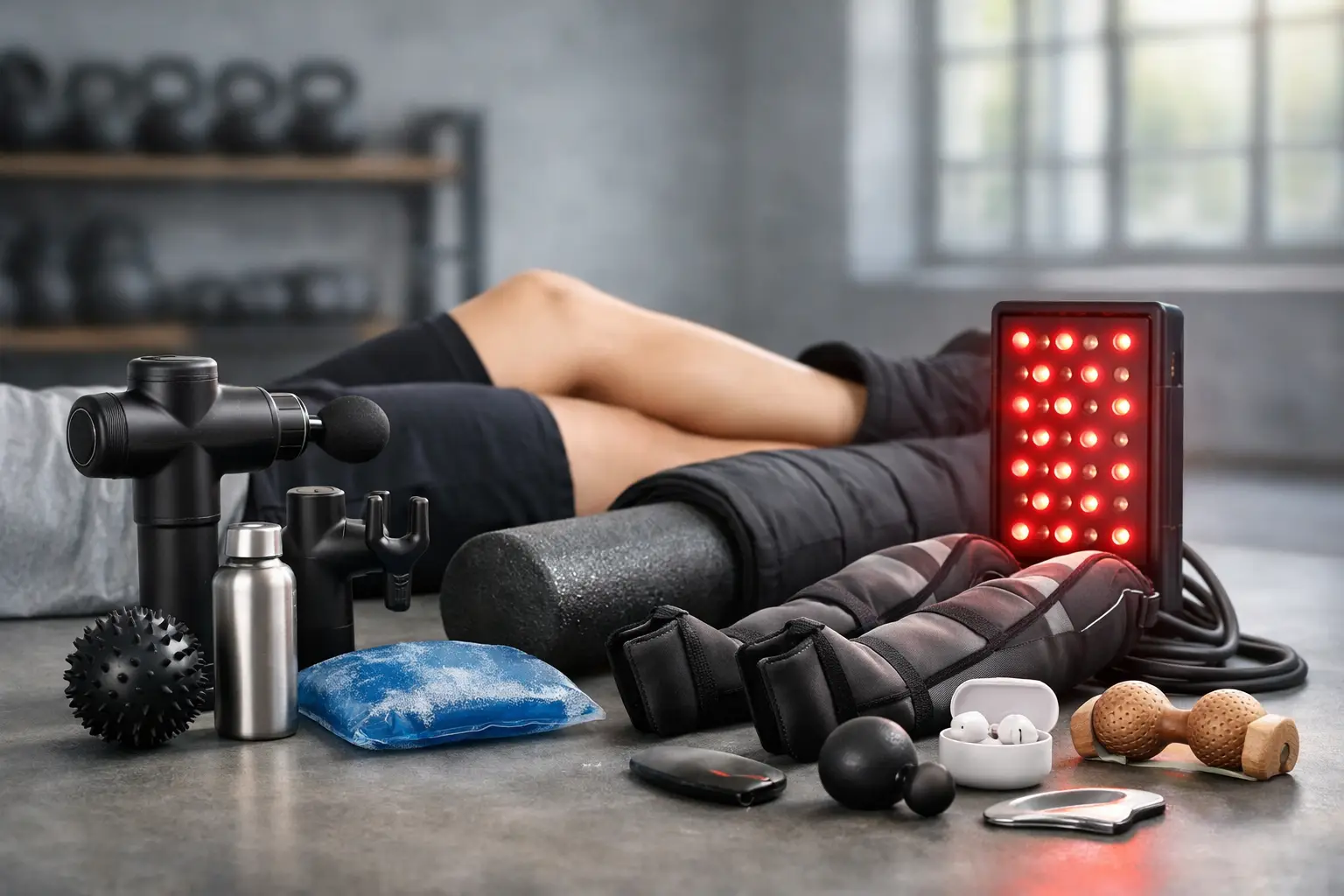
A foam roller is affordable, simple, and useful for large muscle groups such as quads, glutes, calves, upper back, and lats. Slow rolling can reduce the feeling of tightness and may improve your range of motion before or after training.
It should feel productive, not punishing. Rolling so aggressively that you bruise or hold your breath is not better recovery. Spend more time on tender areas, but keep pressure manageable and avoid rolling directly over joints, the low back, or areas with sharp pain.
5. Massage guns
Percussion massage devices are convenient when you want fast, local relief in a tight muscle. They can be especially useful before a workout as part of a warm-up, or afterward when calves, hamstrings, glutes, or shoulders feel worked over.
Use a light setting first and keep the device moving. A massage gun is not designed to hammer away an injury, numb a serious pain, or treat bony areas. If a spot feels sharp, swollen, unstable, or unusually painful, stop and get professional guidance rather than trying to power through it.
6. Compression boots
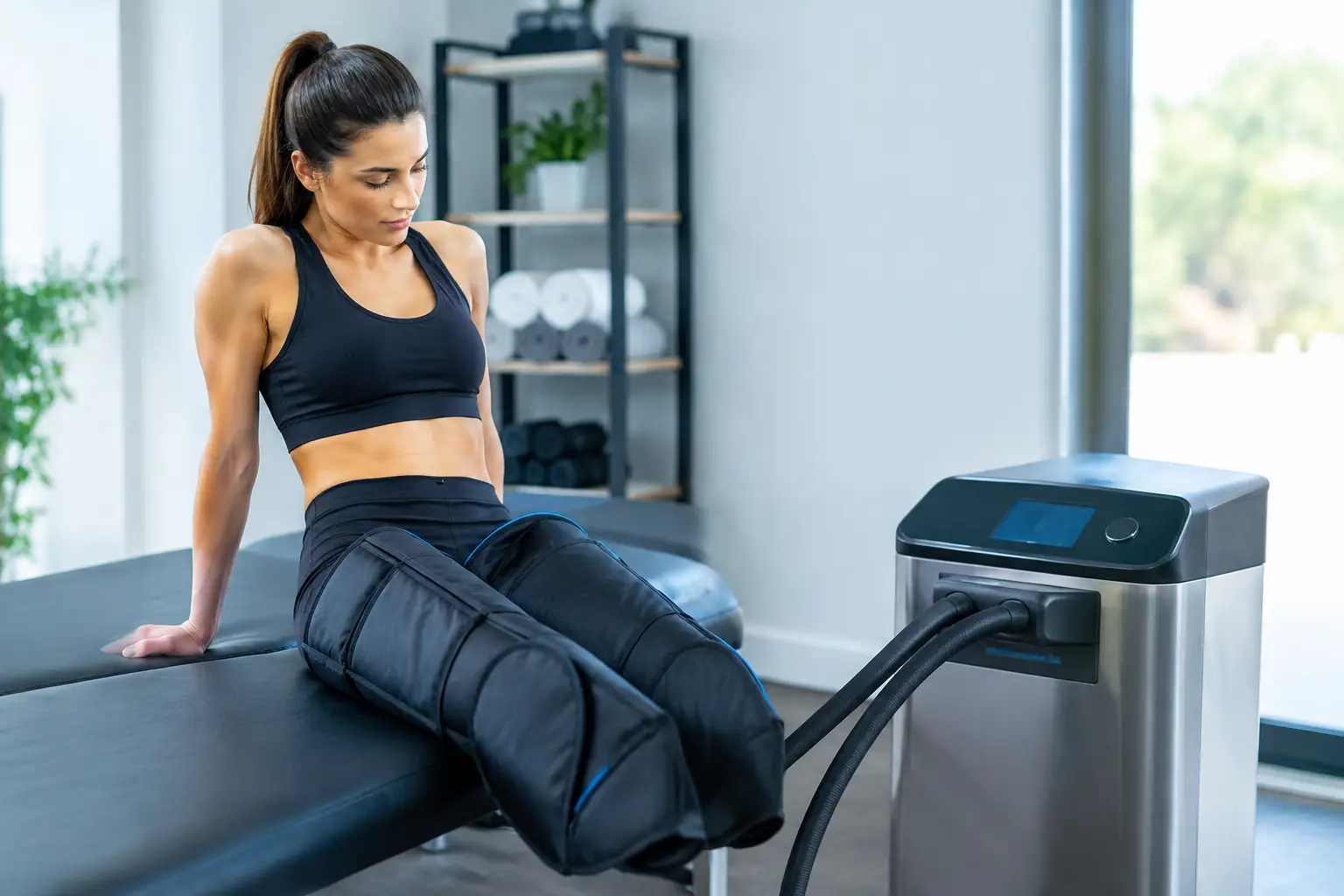
Compression boots use rhythmic pressure around the legs and are popular with endurance athletes, field athletes, and anyone who spends long hours on their feet. Many people enjoy the lighter-leg feeling they get after a session, particularly after travel, races, or high-volume lower-body training.
They are a comfort and circulation-support tool, not a replacement for sleep or medical care. Compression may be worth the investment if you train frequently and genuinely use it, but it is less essential than nutrition, rest, and a smart training plan.
7. Mobility tools
Resistance bands, massage balls, and simple stretching straps can go a long way when used consistently. A massage ball can target the bottom of the foot, glutes, pecs, and smaller areas a foam roller cannot reach. Bands can support controlled shoulder, hip, and ankle mobility work.
The goal is usable movement, not forcing extreme flexibility. Choose mobility drills that match your sport and your restrictions. For example, a lifter may need ankle and thoracic mobility, while a swimmer may benefit from shoulder and upper-back control.
Targeted Cold Therapy for Localized Relief
8. Localized cryotherapy
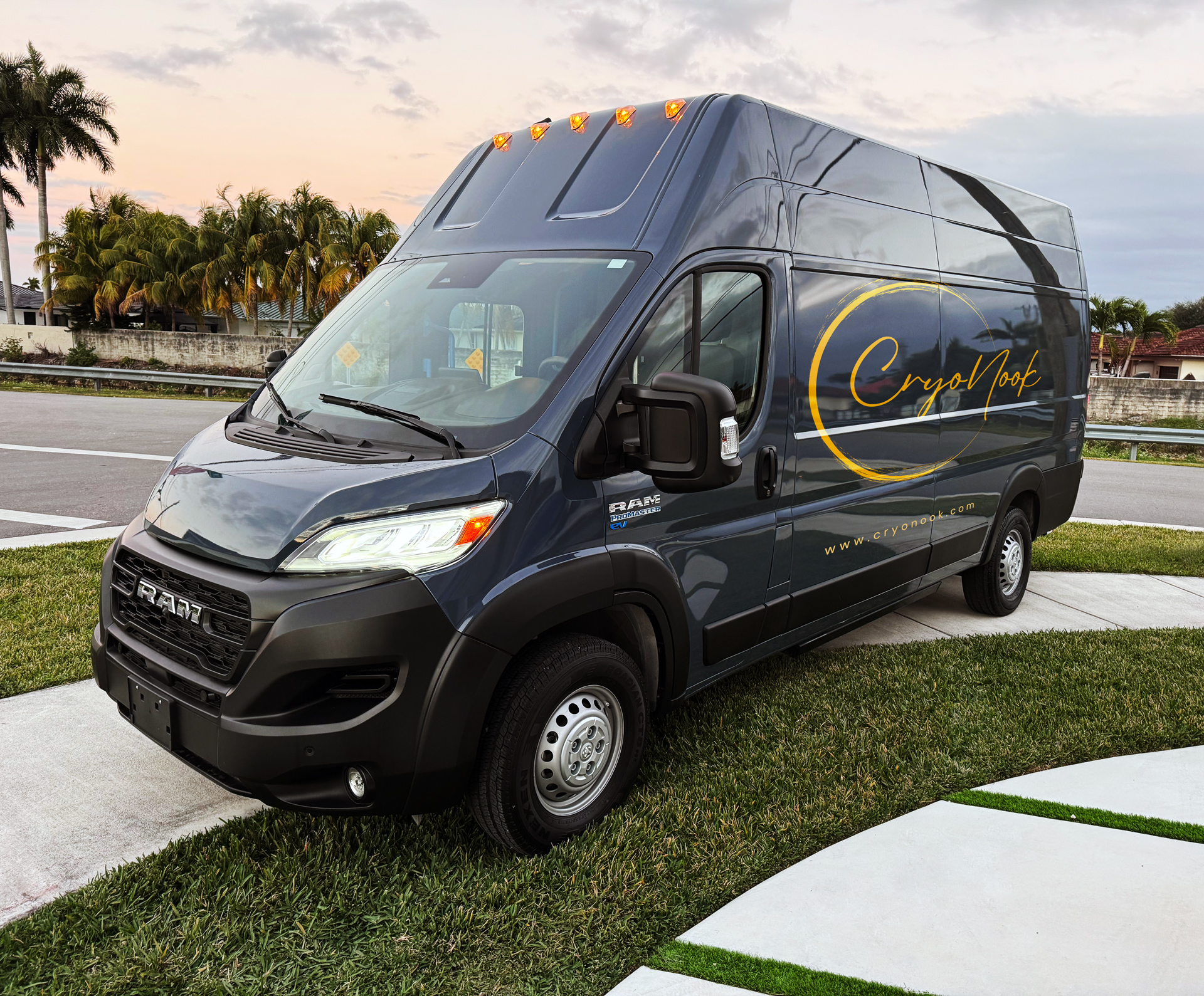
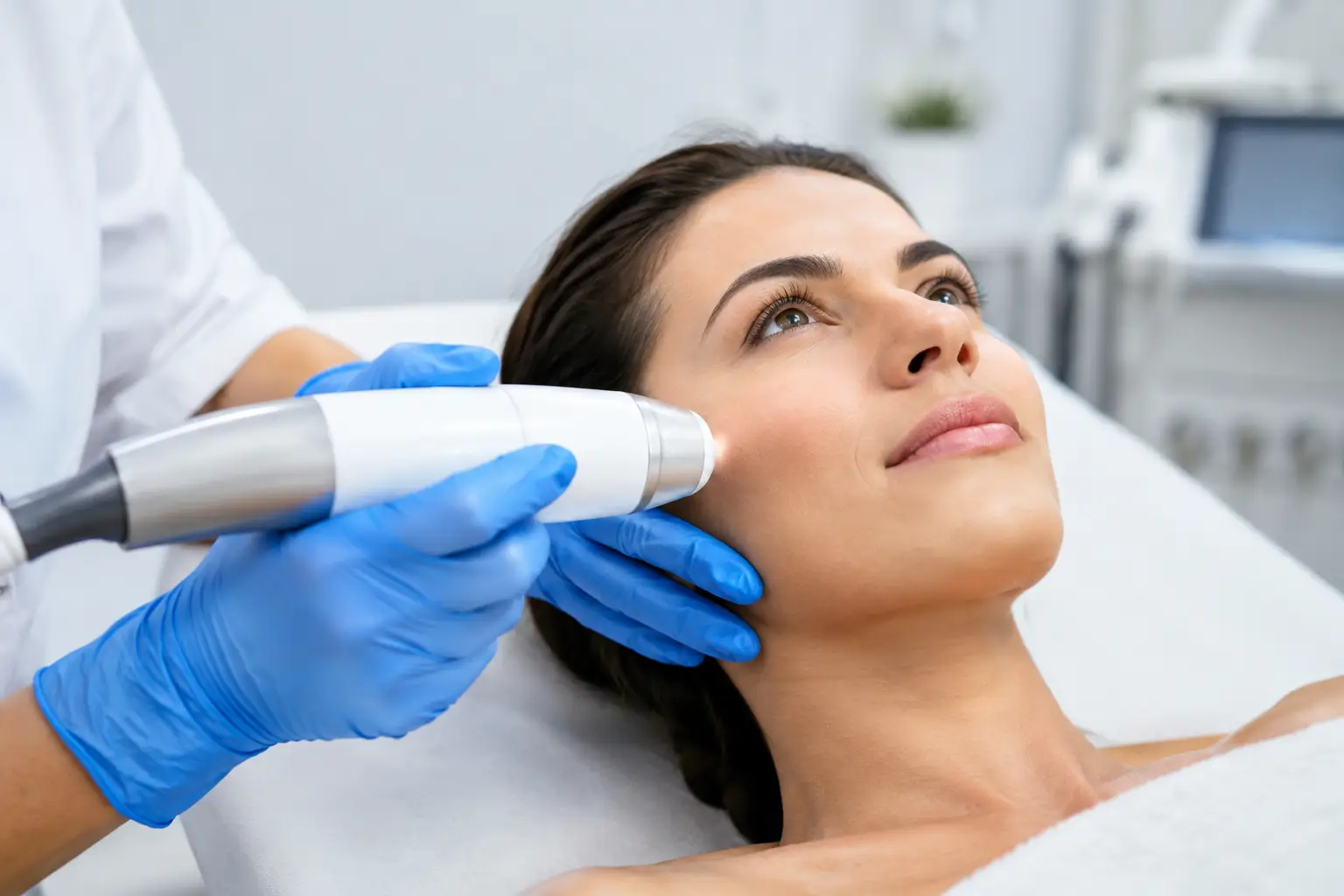
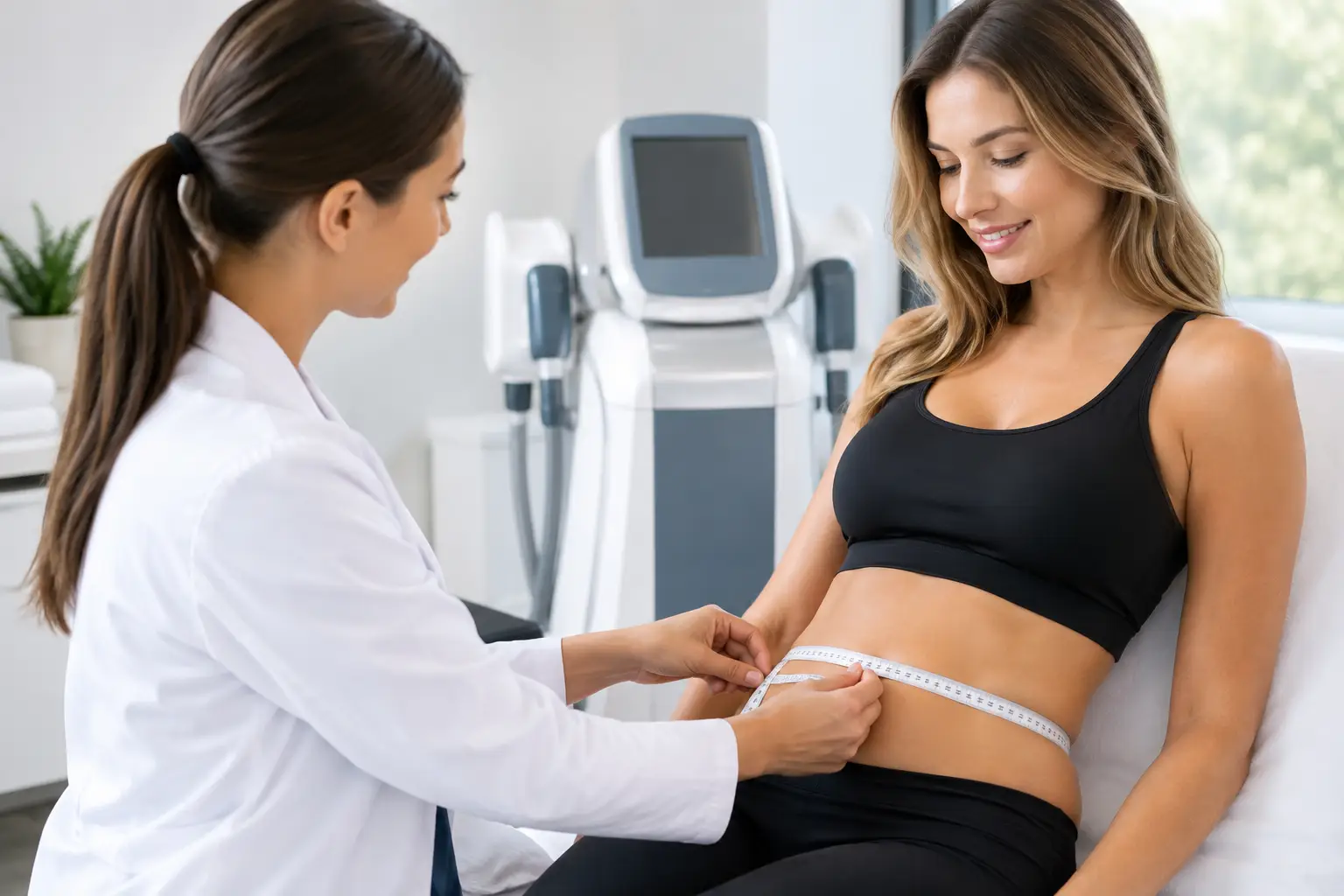
When one area is flaring up after training, targeted cold therapy can be a practical non-invasive option. Localized cryotherapy focuses cold air on a specific muscle, joint, or treatment area, making it different from a full-body cold exposure session. Athletes often use it to support relief from soreness, swelling, and post-workout discomfort in areas such as knees, shoulders, elbows, ankles, and low back.
Timing matters. Cold therapy can feel especially useful after a hard event, a demanding leg day, or when a specific area is irritated. But if your main goal is maximum long-term muscle adaptation after every strength workout, routinely applying intense cold immediately afterward may not be the best fit. Your body uses an inflammatory response as part of training adaptation. This is why targeted treatment should be based on your symptoms, goals, and training phase.
For athletes who want convenient, focused support without adding another errand, CryoNook brings localized cryotherapy directly to clients in Miami-Dade. It is designed for people who want a precise approach to recovery and pain relief, not a generic one-size-fits-all session.
9. Cold plunges and ice baths
Cold plunges are highly visible in fitness culture, but they are not automatically the best choice for every athlete. Some people like them after competitions or long endurance efforts because they can create a strong sense of relief and reduce post-event soreness. Others find the full-body exposure uncomfortable, inconvenient, or unnecessary when only one knee or shoulder is bothering them.
If you enjoy cold plunging, keep the goal clear. Use it strategically for comfort and recovery after major exertion, rather than assuming more cold is always better. People with cardiovascular concerns, circulation issues, or certain medical conditions should speak with a qualified clinician first.
10. Wearables and recovery tracking
A recovery score from a wearable can be useful, but it should not control your life. Devices can track sleep patterns, resting heart rate, heart rate variability trends, and training load. Over time, that information may help you spot patterns, such as poor sleep after late workouts or reduced readiness during an intense training block.
The trade-off is that data can create anxiety when it is treated as a diagnosis. Use wearable metrics alongside how you actually feel, how you perform, and whether pain is changing. Your body is more than one number on an app.
How to Build a Recovery Plan You Will Actually Use
The best recovery routine is the one that fits your week. Start with sleep, food, hydration, and one lower-intensity day. Then add a tool that solves a real problem. If your legs feel heavy after long runs, compression or easy movement may help. If you have a recurring hot spot in a joint or muscle, targeted cold therapy may be the more direct option.
Keep sessions short enough to stay consistent. Ten minutes of mobility after training, a protein-rich meal, and a planned recovery treatment can be more effective than a two-hour routine you quit after a week. Recovery should support your lifestyle, not become another exhausting task.
Persistent pain, weakness, numbness, major swelling, or pain that changes the way you move deserves a professional evaluation. The goal is not to hide warning signs. It is to recover with enough confidence to train hard, move well, and keep doing what you love.