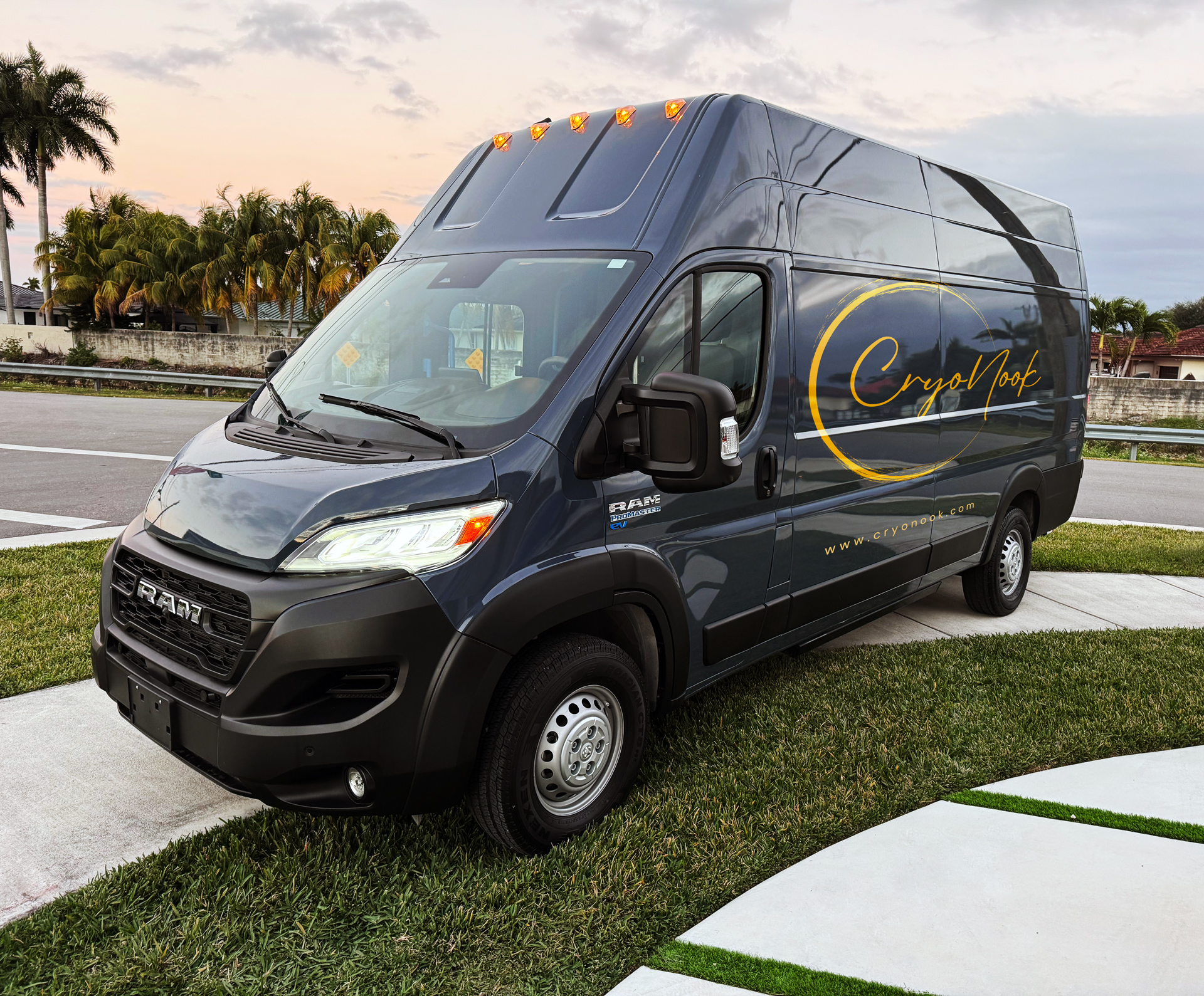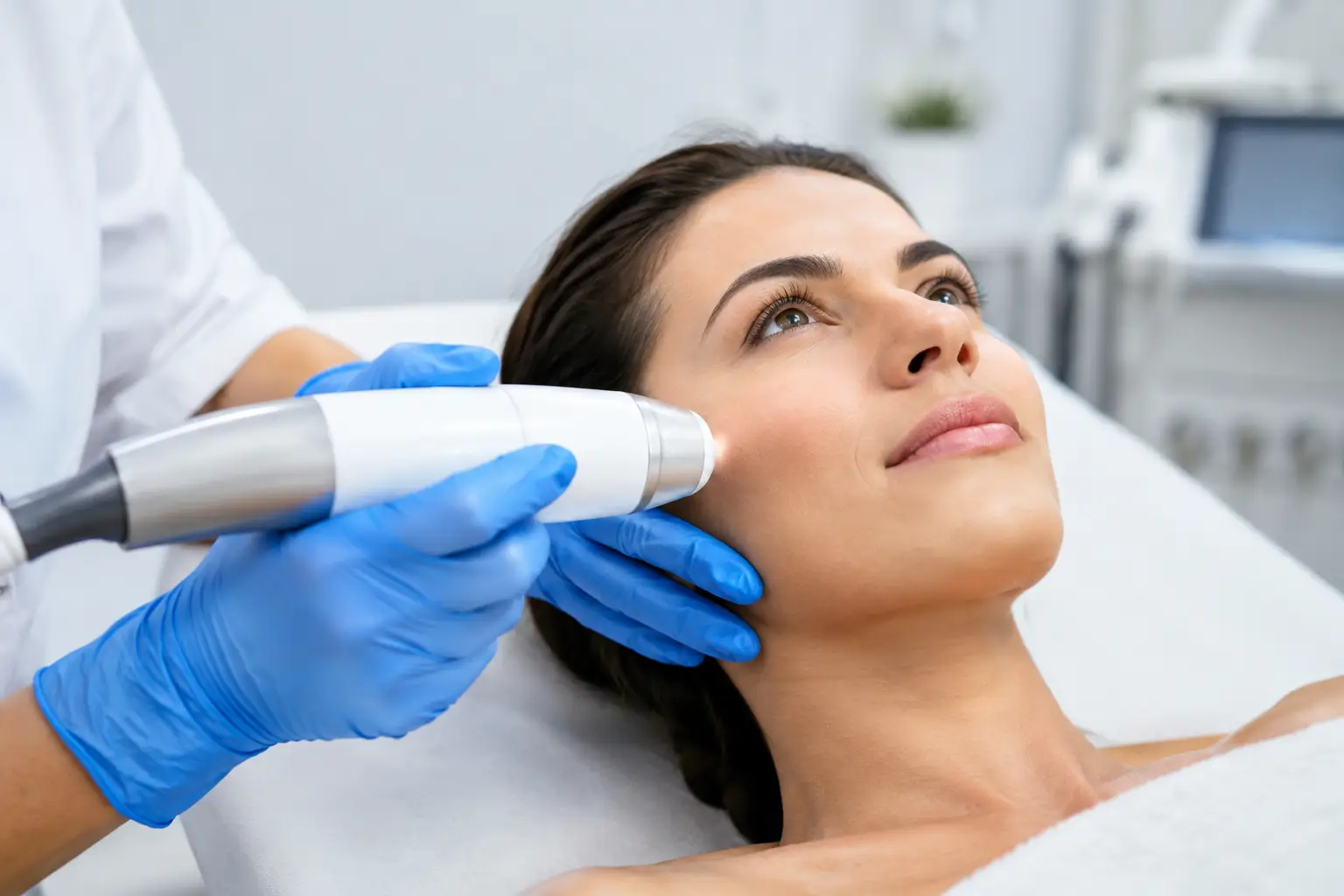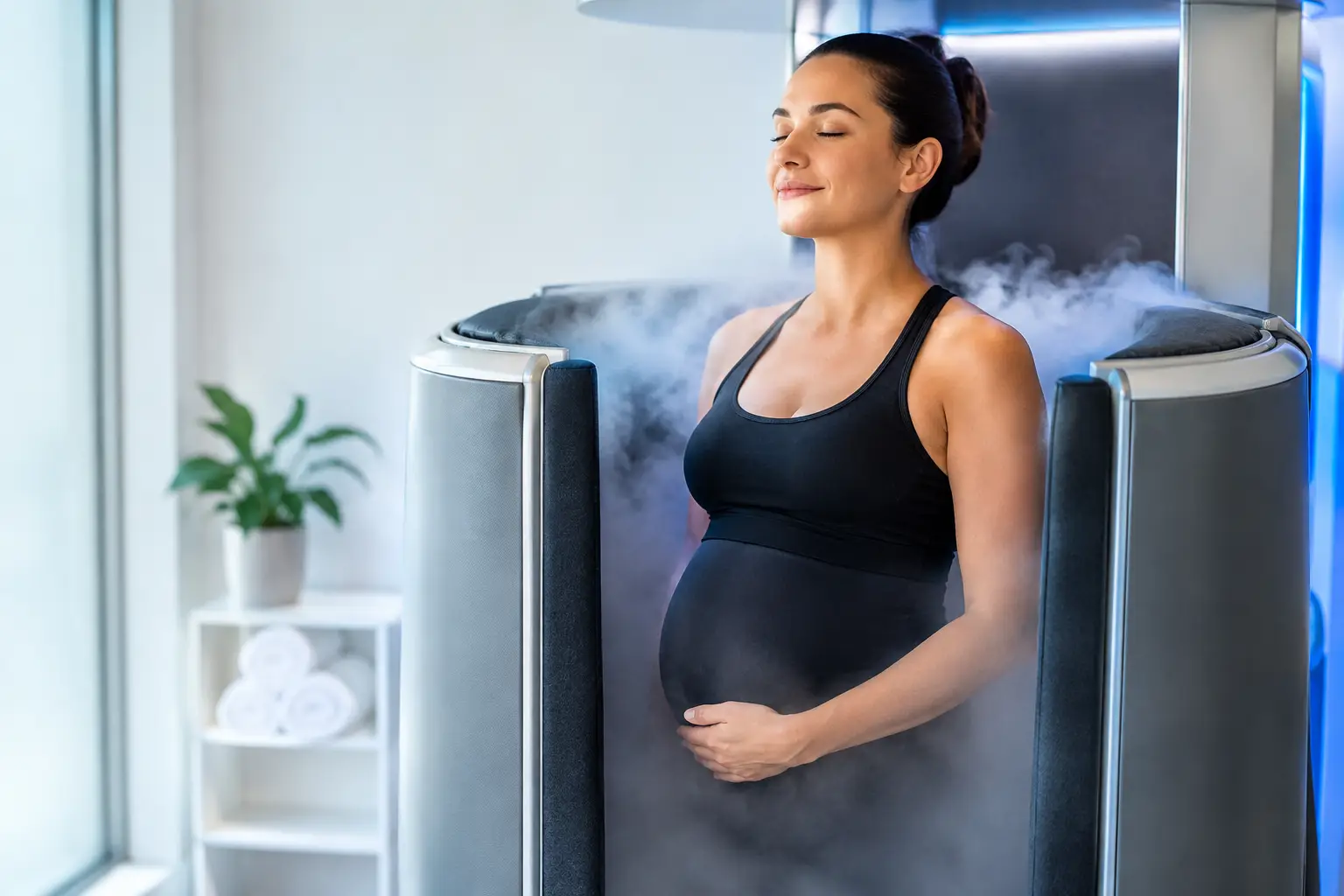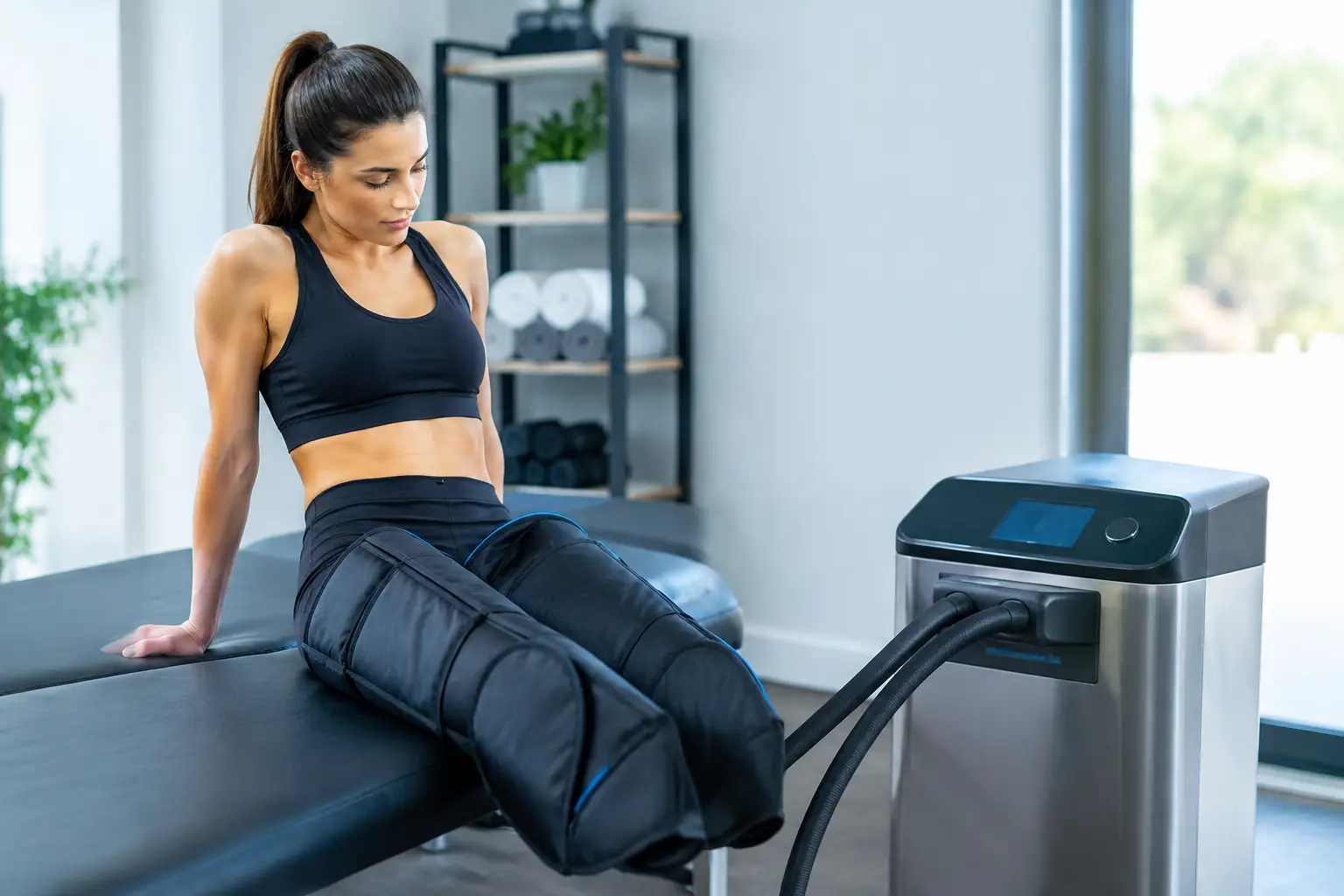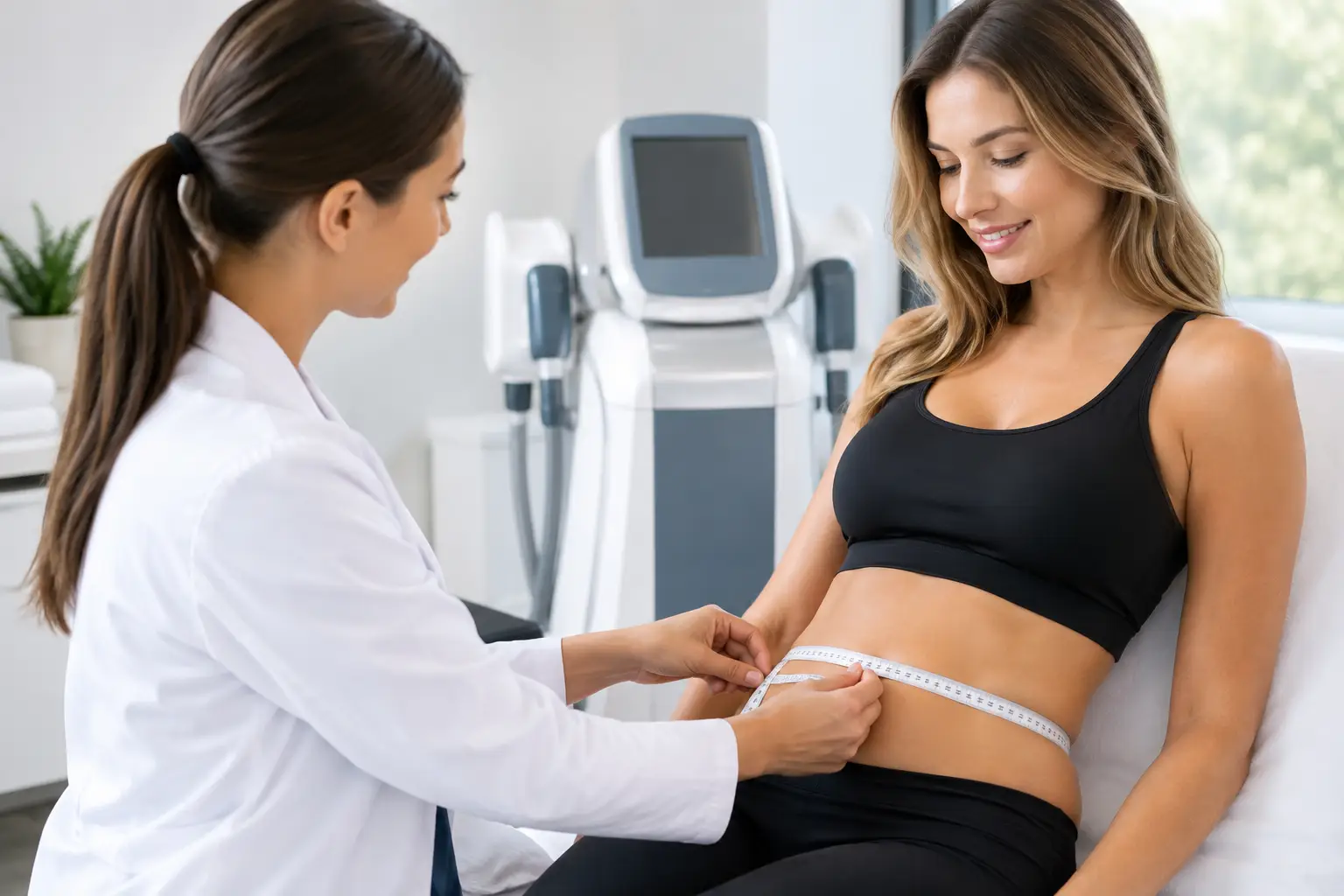
A stubborn lower-belly area, flank fullness, or thigh bulge can remain even when you train consistently and eat well. That is why the cryolipolysis vs cool sculpting question comes up so often. People want to know whether these are two different treatments, whether one works better, and what results they can realistically expect without surgery.
The short answer is simple: cryolipolysis is the treatment technology and process, while CoolSculpting is a brand name for a cryolipolysis system. The more useful answer is that your experience can vary based on the device, applicator, provider skill, treatment plan, body area, and whether you are actually a good candidate for non-invasive fat reduction.
Cryolipolysis vs Cool Sculpting: The Core Difference
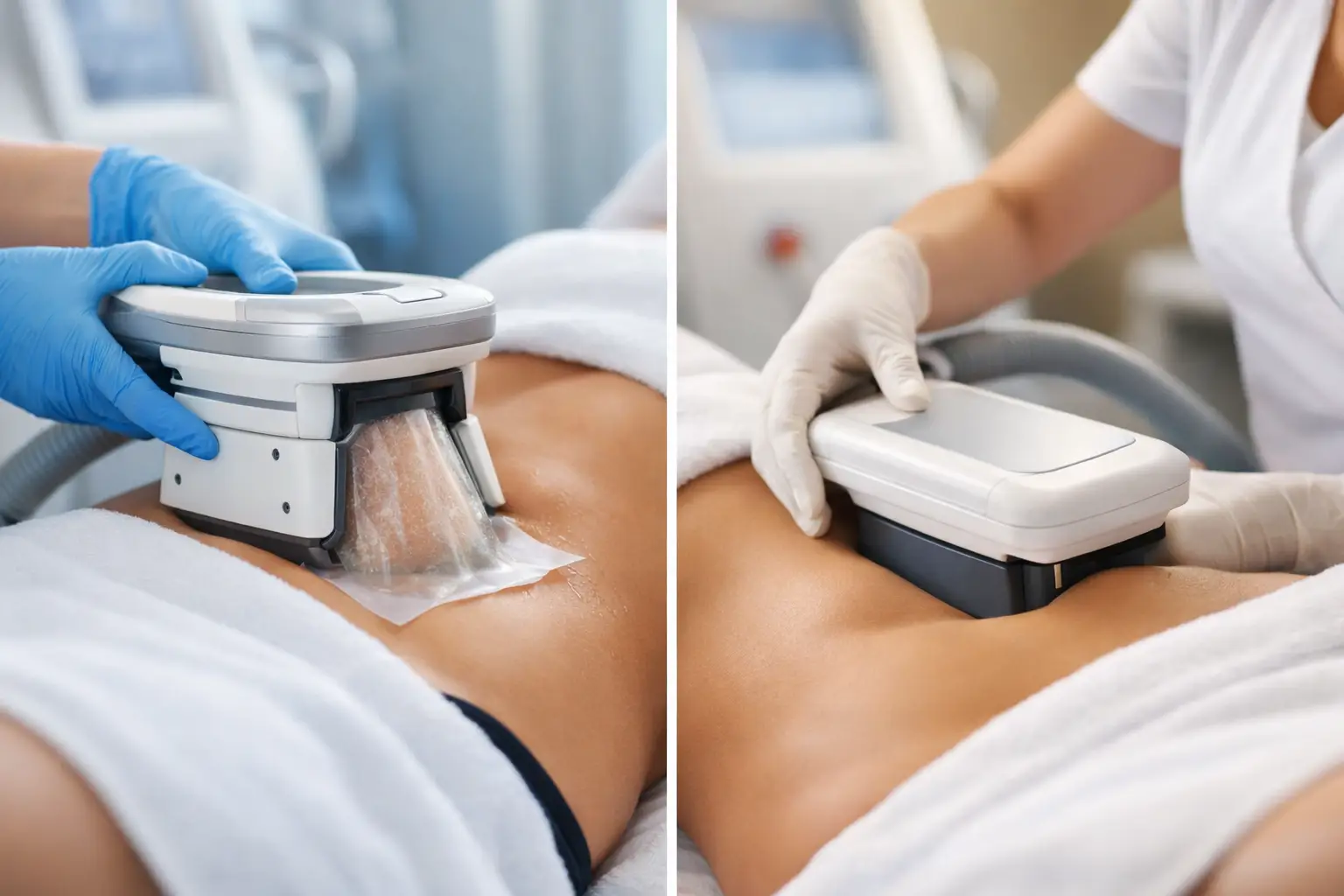
Cryolipolysis is a non-invasive fat-reduction treatment that uses controlled cooling to target subcutaneous fat – the pinchable layer of fat beneath the skin. Fat cells are more vulnerable to cold exposure than surrounding skin and tissue. During a properly administered treatment, cooling is applied to a selected area to damage targeted fat cells without surgery, needles, or anesthesia.
Your body then gradually clears those damaged fat cells over time. This is why cryolipolysis is not a same-day body contouring fix. Visible changes develop slowly, often over several weeks, with final results commonly taking a few months to become clearer.
CoolSculpting is the best-known commercial brand associated with cryolipolysis. Just as people may use a brand name to describe an entire product category, many use “Cool Sculpting” to describe any fat-freezing treatment. But not every cryolipolysis service uses a CoolSculpting device, and not every provider uses the same technology, settings, applicators, or treatment protocol.
That distinction matters. A brand name alone does not determine your outcome. The quality of your consultation, your anatomy, the applicator fit, and a realistic treatment plan all matter more than a label.
What Cryolipolysis Is Designed to Treat
Cryolipolysis is designed for localized body contouring, not major weight loss. It can be a strong option for people who are near their target weight but want to reduce specific areas that have not responded the way they want to diet and exercise.
Common treatment areas may include the abdomen, love handles, upper arms, inner thighs, outer thighs, back, bra-line area, and under the chin. The best area depends on the device being used and the individual’s body shape.
This treatment is not a replacement for liposuction, a weight-loss program, strength training, or nutrition support. If your goal is to lose a significant amount of weight, cryolipolysis is unlikely to deliver the transformation you have in mind. If your goal is to refine one visible area and improve how clothing fits, it may be worth considering.
For Miami clients who prioritize fitness, beach confidence, and practical treatment options, this distinction is especially useful. Body contouring works best when it supports the work you are already doing, rather than promising to do all of it for you.
How Results Compare
Because CoolSculpting is a cryolipolysis brand, the expected result category is similar: gradual reduction of fat in a treated area. The exact degree of reduction is not guaranteed and should never be presented as a dramatic, universal number.
Some clients are happy after one session in an area. Others need multiple sessions to reach their preferred level of contouring. Larger areas, thicker fat layers, or a more specific aesthetic goal can require a staged plan. Before-and-after photos can be helpful, but they should be viewed as examples of what may be possible for a similar candidate, not a promise.
Results also depend on maintaining a stable lifestyle. Once treated fat cells are cleared, they do not simply regenerate. However, remaining fat cells can still enlarge with weight gain. Staying active, eating in a way that supports your goals, and managing overall weight helps protect the contour you worked for.
Treatment Feel and Downtime
Most cryolipolysis treatments involve an applicator placed on the target area. Depending on the system, you may feel pulling, pressure, intense cold, tingling, or numbness during the early part of treatment. For many people, the strongest cold sensation eases as the area becomes numb.
There is generally little to no traditional downtime. Many clients return to work, errands, or light activity right after their appointment. That said, “non-invasive” does not mean sensation-free or risk-free. The treatment area can be temporarily red, tender, bruised, swollen, numb, firm, or sensitive after treatment.
Some people feel fine quickly. Others experience soreness or altered sensation that lasts longer than expected. A reputable provider should explain the normal recovery window for the device and area being treated, as well as what symptoms deserve a follow-up call.
Safety: Questions Worth Asking Before You Book
Cryolipolysis has been used widely for non-invasive fat reduction, but it is not appropriate for everyone. A real consultation should be more than selecting an area and taking payment. It should include your goals, medical history, skin condition, prior procedures, medications, and whether the area has enough pinchable fat for the applicator.
People with cold-related conditions, such as cryoglobulinemia, cold agglutinin disease, or paroxysmal cold hemoglobinuria, may not be candidates. Pregnancy, certain hernias, impaired sensation, active skin issues, or recent procedures in the area may also affect eligibility. Your provider may recommend medical clearance when appropriate.
One uncommon but serious risk to discuss is paradoxical adipose hyperplasia, often called PAH. Instead of shrinking, the treated fat area becomes firmer and more enlarged over time. It is not a typical outcome, but it is a known risk and may require surgical correction. Any provider who rushes past this conversation is not giving you the full picture.
Ask which device will be used, who performs the treatment, how they determine candidacy, how they document your treatment plan, and what support is available if you have concerns after the session. Clear answers are part of quality care.
Cost Is About the Plan, Not Just the Session Price
Comparing a single-session price can be misleading. One provider may quote per applicator, another per area, and another may recommend a package based on the number of cycles needed to treat the area evenly. A lower price does not necessarily mean a lower total cost, and a higher price does not automatically mean better treatment.
Ask for a clear estimate that explains the number of sessions or cycles recommended, what is included, and whether follow-up assessments are part of the plan. You should also ask what outcome the provider believes is realistic for your body and whether another treatment may better match your goal.
If convenience is a priority, ask how treatment is delivered and whether the provider can work around your schedule. CryoNook brings localized cryotherapy services directly to clients, making it easier to build recovery and aesthetic care into a busy routine.
Is Cryolipolysis the Right Move for You?
Choose cryolipolysis because you want measured contour refinement, not because you are chasing a fast scale change. It can make sense if you have a stable weight, visible pockets of pinchable fat, healthy expectations, and the patience to let gradual results develop.
It may not be the best fit if you want immediate change, have significant loose skin, need extensive fat removal, or are not comfortable with the possibility of temporary discomfort and uncommon complications. In those situations, another aesthetic approach or a conversation with a qualified medical professional may be more productive.
The best body contouring decision starts with an honest look at your goal: identify the one area you want to improve, ask what kind of change is realistic, and choose a provider who treats your safety and expectations with the same care as your results.