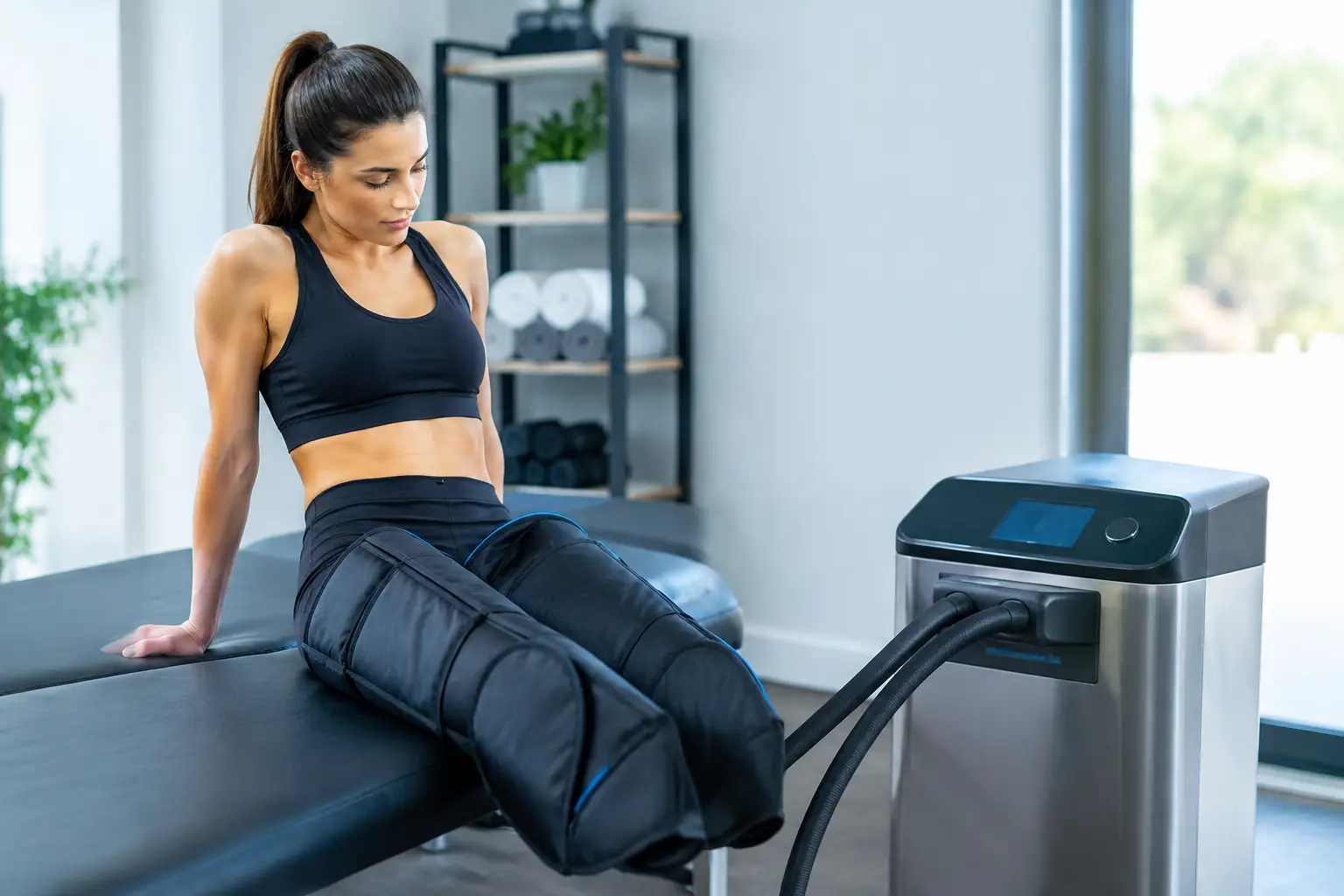
A strained hamstring can make every step feel guarded. A pulled shoulder can turn a simple reach into a reminder that something is not right. That is where understanding how cryotherapy helps muscle strains becomes practical: targeted cold therapy may ease pain, limit early swelling, and help you move through recovery with more comfort.
For active Miami-Dade residents, recovery often has to fit around training, work, family, and life. Localized cryotherapy offers a fast, non-invasive way to apply intense cold directly to the affected area without sitting in an ice bath or wrapping yourself in melting packs.
What Happens When You Strain a Muscle?
A muscle strain occurs when muscle fibers are stretched beyond their capacity or partially torn. It can happen during a hard sprint, a sudden change of direction, heavy lifting with poor form, or even an awkward move while getting out of the car. The hamstrings, calves, lower back, groin, and shoulders are common trouble spots.
Your body responds with inflammation, tenderness, stiffness, and sometimes bruising. Those responses are part of the healing process, but they can also make movement painful and difficult. A mild strain may feel like tightness or a nagging pull. A more significant strain can involve sharp pain, loss of strength, visible bruising, or a feeling that the muscle gave out.
Cold therapy does not repair torn muscle fibers on its own. What it can do is help manage the uncomfortable symptoms that get in the way of rest, movement, and a structured recovery plan.
How Cryotherapy Helps Muscle Strains in the Early Stage
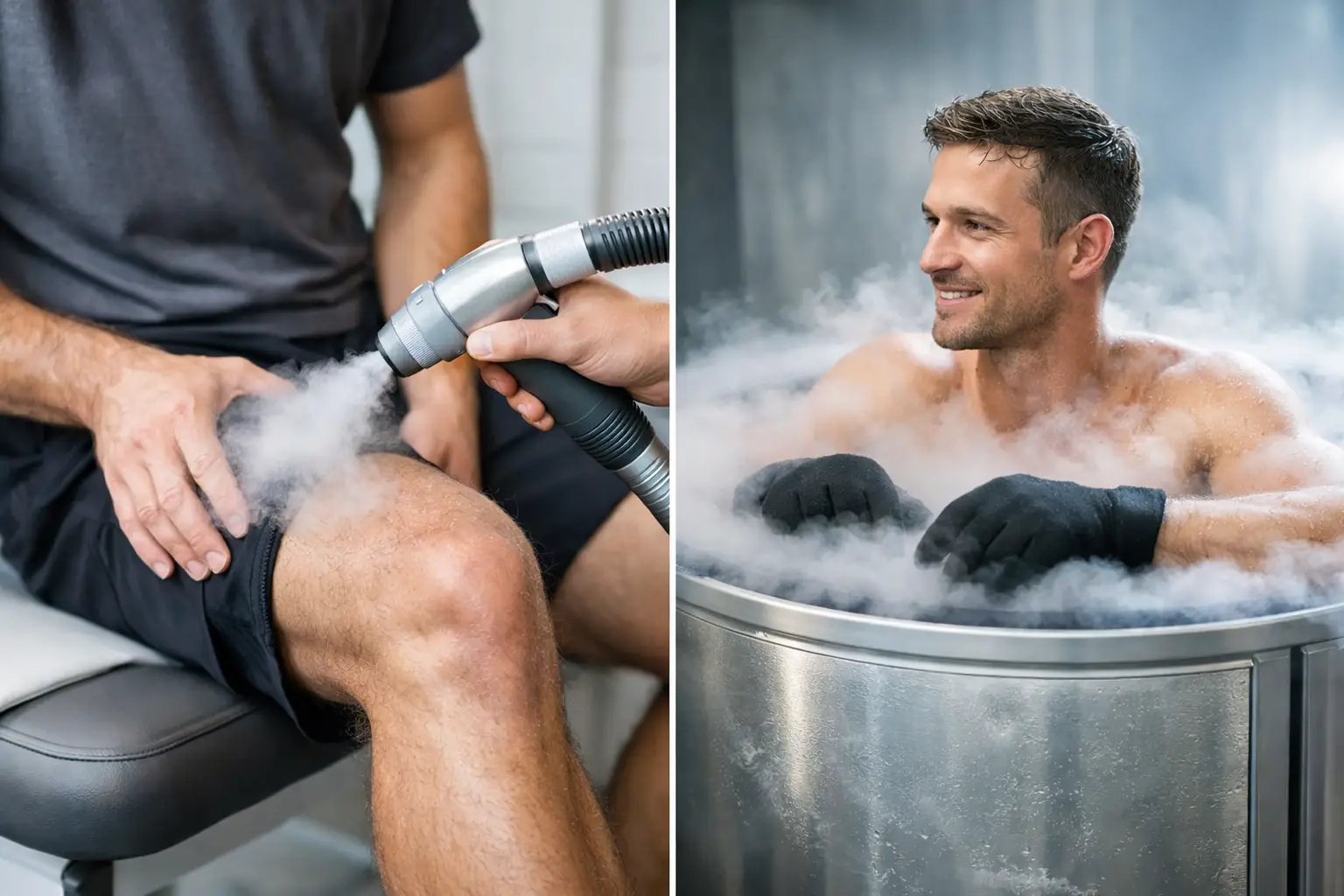
Localized cryotherapy delivers very cold air to a specific body area for a short session. Rather than cooling the whole body, the treatment is focused on the sore calf, tender quad, strained shoulder, or another targeted muscle group.
The immediate effect is a rapid cooling of the skin and superficial tissue. This can temporarily slow nerve signaling, which is why many people feel less pain during and after treatment. When pain settles down, it may be easier to walk with better mechanics, sleep more comfortably, or perform the gentle mobility work recommended by a qualified provider.
Cold exposure can also constrict blood vessels in the treatment area. In the first phase after a fresh injury, this may help limit the feeling of throbbing and reduce minor swelling. That does not mean all inflammation should be eliminated. The body needs a controlled inflammatory response to heal. The goal is symptom management, not shutting down recovery.
For many clients, the biggest benefit is simple: targeted relief without medication, needles, or downtime. A short session can be a useful addition when a strain is making daily movement feel harder than it should.
Relief Is Not the Same as Full Recovery
Feeling better after cold therapy is valuable, but it can also be misleading if it encourages you to return to full-intensity activity too soon. Reduced pain does not automatically mean the muscle is ready for sprints, heavy deadlifts, long runs, or explosive training.
Use the relief strategically. Treat it as an opportunity to follow a recovery plan, not as permission to test the injury. A gradual return to loading is usually more productive than trying to power through a strain because it hurts less for a few hours.
Why Localized Cryotherapy Can Be More Convenient Than Ice
Traditional ice packs are accessible, but they have limits. They warm up quickly, can leak, and are hard to secure around areas like the hip, shoulder, or upper hamstring. It is also easy to leave them on too long, especially when the skin becomes numb.
Localized cryotherapy is precise and quick. A trained provider can focus treatment where you need it most while monitoring your response. There is no wet towel, no bag of melting ice, and no need to block out 20 minutes on the couch after every workout.
That convenience matters when consistency is the challenge. CryoNook brings localized cryotherapy directly to clients, making it easier to fit a recovery session into a busy day at home. For people managing recurring tightness or returning from a minor strain, convenient support can make a real difference in sticking with healthy recovery habits.
When Cold Therapy Makes the Most Sense
Cryotherapy is often most helpful when a muscle strain is newly irritated, swollen, sore, or throbbing after activity. It can also be useful after a demanding workout when one area feels unusually overworked, provided there is no suspected serious injury.
Timing depends on the injury and the person. In the first 24 to 72 hours, cold is commonly used for comfort and swelling control. Later in recovery, some people prefer heat before gentle movement because warmth may help with stiffness. Cold may still feel good after rehabilitation exercises or activity if soreness flares up.
There is no one-size-fits-all schedule. A fresh, tender calf strain and a weeks-old tight shoulder do not need exactly the same approach. The right plan depends on your symptoms, training goals, medical history, and whether a clinician has identified a partial tear or another condition.
Pair Cryotherapy With Smart Muscle-Strain Recovery
The strongest recovery plan does more than cool the painful spot. It respects the healing tissue while keeping the rest of your body active when appropriate.
In the first few days, relative rest is usually smarter than complete bed rest. Avoid the motion or load that caused sharp pain, but keep gentle, pain-free movement in your day if you can. Once the initial irritation improves, progressive mobility and strengthening help the muscle regain capacity. This is especially important for athletes who want to avoid a repeat strain.
Hydration, protein intake, quality sleep, and sensible training adjustments also matter. No recovery service can compensate for returning to high-volume workouts on a muscle that still cannot handle basic loading. Think of cryotherapy as one useful tool in a bigger performance and recovery system.
If you work with a physical therapist, athletic trainer, or physician, tell them about any cryotherapy sessions. That allows cold therapy to support, rather than compete with, your rehabilitation plan.
When a Muscle Strain Needs Medical Attention
Not every muscle injury is a minor strain. Get evaluated promptly if you heard or felt a pop, cannot bear weight, have major swelling or bruising, notice a visible deformity, or have severe weakness. These symptoms can point to a significant tear or another injury that requires a diagnosis.
You should also seek medical guidance if pain continues to worsen, numbness or tingling develops, the area becomes unusually red or hot, or symptoms are not improving after several days of conservative care. For post-surgery recovery, circulation concerns, nerve conditions, or known cold sensitivity, ask your medical provider whether localized cryotherapy is appropriate first.
A professional treatment should never replace an evaluation when something feels seriously wrong. Fast relief is helpful, but the right diagnosis protects your long-term mobility.
What a Targeted Cryotherapy Session Feels Like
A localized session is short, focused, and designed around the treatment area. Your provider positions the cold air over the strained muscle and moves it carefully across the area. Most people describe an intense cold sensation that quickly becomes manageable as the skin cools.
Afterward, the area may look temporarily pink or red and feel refreshed, numb, or less achy. Some clients notice that they can move more comfortably right away. Others feel the benefit most later, when the usual post-activity soreness would normally build.
Results vary based on the severity of the strain, how recently it occurred, your activity level, and what else you are doing for recovery. The best expectation is not an instant cure. It is targeted symptom relief that helps you stay more comfortable while your body does the work of healing.
A muscle strain does not have to force you into an all-or-nothing mindset. Give the injured area the respect it needs, use targeted cold therapy when it fits your plan, and let each pain-free movement be progress instead of a reason to rush.