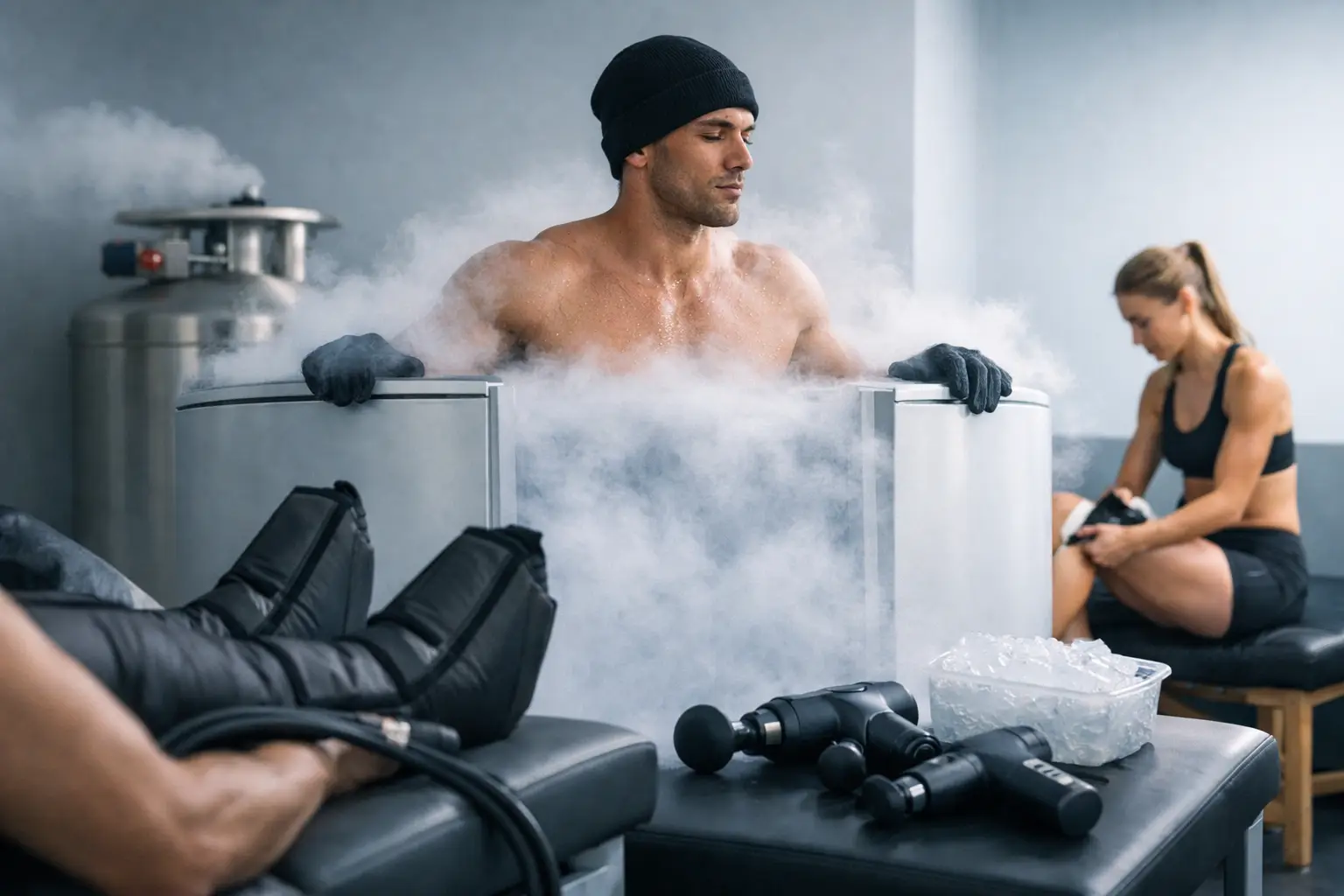
A hard training session can leave one spot holding your whole body back: a swollen knee after court work, a tight calf before a run, or a sore shoulder after heavy presses. The best cryotherapy uses for athletes are not about making discomfort disappear so you can ignore it. They are about targeted, non-invasive support that can help reduce inflammation, calm pain, and make recovery feel more manageable.
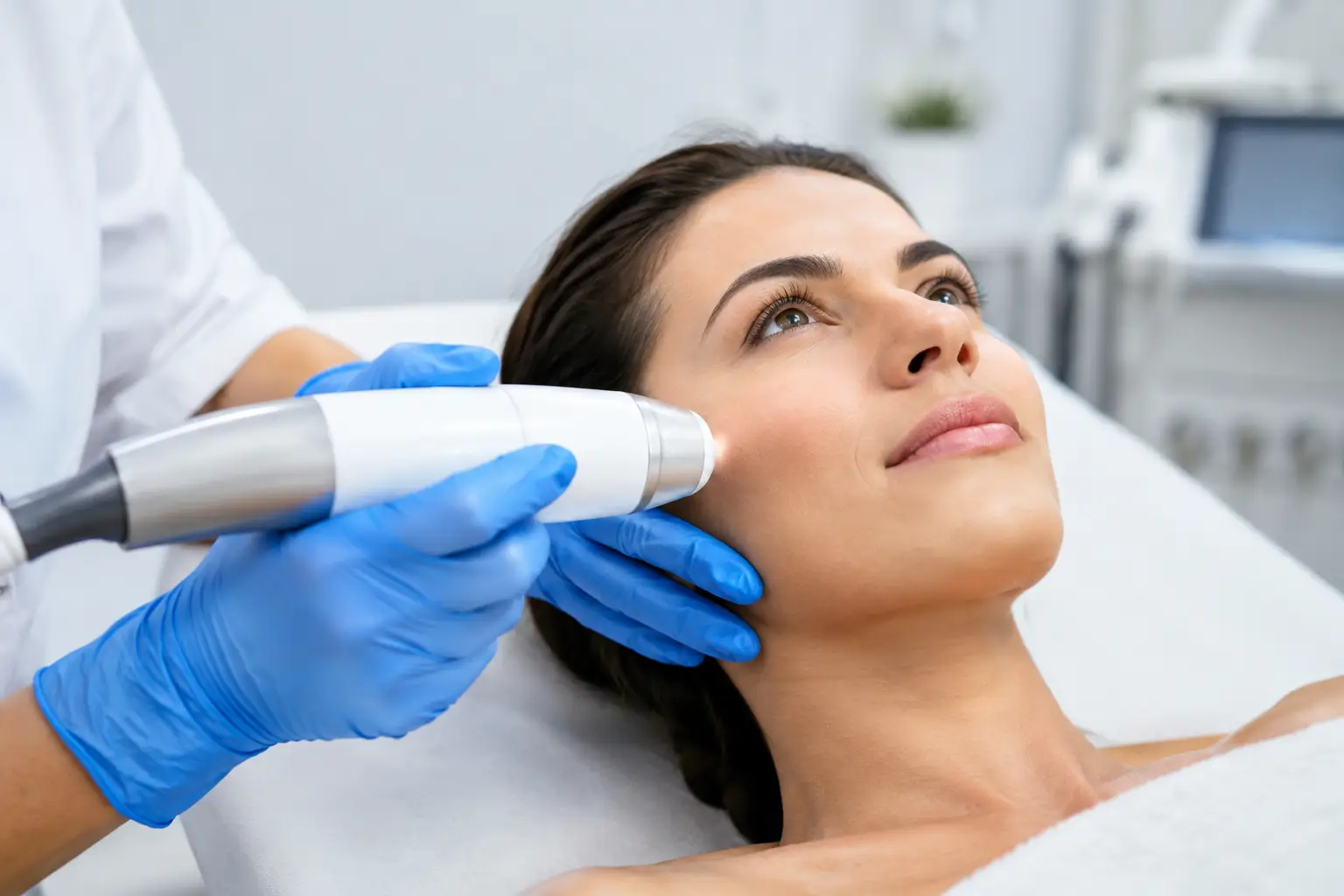
Localized cryotherapy applies controlled cold to a specific area rather than cooling the entire body. For athletes and active adults, that precision matters. If your issue is centered in one joint, tendon, muscle group, or post-workout hot spot, a focused session can fit more naturally into your recovery plan than a generalized treatment.
Why Targeted Cold Therapy Works for Athletes
Cold exposure causes blood vessels in the treatment area to narrow temporarily. That response can help limit swelling, decrease pain signals, and create a calming effect after hard activity or minor soft-tissue irritation. Many athletes also appreciate the immediate feeling of relief when an overworked area feels hot, achy, or tender.
The goal is not to eliminate every training sensation. Delayed-onset muscle soreness, for example, is a normal part of challenging your body. Cryotherapy is most useful when soreness, inflammation, or pain is interfering with movement quality, sleep, or your ability to prepare for the next session.
Localized sessions are fast and focused. That makes them especially practical for Miami athletes who do not have time to build a long recovery ritual around a packed workday, practice schedule, or training block.
Best Cryotherapy Uses for Athletes
1. Calming post-workout muscle soreness
After sprint intervals, leg day, a long ride, or high-volume practice, certain muscles can feel heavy and inflamed. Targeted cold therapy can be used on the quads, hamstrings, calves, glutes, back, or shoulders to reduce the sensation of soreness and help the area settle down.
This is a strong option when one region took more of the workload than the rest of your body. A runner with one irritated calf or a lifter with a particularly sore shoulder may get more practical value from local treatment than from a whole-body cold session.
Timing depends on the goal. If you are managing acute soreness after a demanding event, treatment soon afterward may feel helpful. If you are in a muscle-building phase, however, do not treat cryotherapy as an automatic after-every-lift habit. Some inflammation is part of the training adaptation process. Use cold strategically when relief and readiness matter most.
2. Supporting a minor sprain, strain, or impact injury
A rolled ankle, a mild muscle strain, a bruised thigh, or a painful knock during contact sports can bring swelling and tenderness quickly. Localized cryotherapy can support the early recovery phase by cooling the affected area and helping manage discomfort.
It works best as one piece of a larger plan. Relative rest, appropriate movement, compression when recommended, and professional evaluation may all matter depending on the injury. Cryotherapy does not repair a torn ligament, fracture, or serious muscle tear. It can help you feel better, but reduced pain is not permission to return to full intensity before your body is ready.
If pain is severe, swelling is rapidly increasing, you cannot bear weight, or a joint feels unstable, seek medical assessment first.
3. Managing knee discomfort from repetitive training
Knees carry a major load in running, cycling, jumping, tennis, soccer, and strength work. Repetitive motion can leave the front, sides, or back of the knee irritated, especially when training volume climbs faster than recovery can keep up.
Localized cryotherapy can be a practical choice for athletes dealing with post-run knee aches, patellar-area irritation, stiffness after leg training, or general overuse discomfort. The treatment targets the area directly without requiring you to submerge your entire lower body in an ice bath.
For recurring knee pain, look beyond the cold. Footwear, training load, running mechanics, hip and ankle strength, mobility, and exercise selection can all affect what the knee is absorbing. Relief is valuable, but identifying the source is what helps protect your next training cycle.
4. Helping overworked shoulders, elbows, and wrists
Racquet sports, golf, swimming, boxing, CrossFit, and weightlifting often create repeated stress through the upper body. A cranky elbow after serving, a sore wrist after front-rack work, or a tight shoulder after swimming can make even basic movement frustrating.
Targeted cold therapy gives athletes a way to focus recovery on the exact place that needs attention. It can be especially useful after a competition, high-rep session, or practice that leaves a joint feeling warm and irritated.
Repeated tendon-related pain deserves patience. Tendons usually respond best to smart load management and progressive strengthening, not simply rest or symptom relief alone. Use cryotherapy to make the recovery process more comfortable while you address the training factors behind the irritation.
5. Reducing discomfort after a demanding event
Race day, tournaments, long rides, and weekend competitions can produce an all-at-once recovery problem. You may have multiple sore areas, but one or two usually stand out: the calves after a half marathon, the hips after a cycling event, or the lower back after a long day on the course.
A focused cryotherapy session can help calm those priority areas without making your recovery routine complicated. Athletes often use it alongside hydration, nutrition, light mobility, sleep, and an easier movement day.
The key is realistic expectations. Cold therapy may help you feel less sore and more comfortable, but it cannot replace food, fluids, sleep, or adequate time between intense efforts. Those fundamentals still drive recovery.
6. Supporting low back recovery for active adults
Low back tightness is common among golfers, cyclists, runners, desk-working professionals, and athletes who train with heavy loads. When the muscles around the lumbar area feel tense or aggravated, localized cryotherapy may help reduce discomfort and allow more comfortable movement.
This can be useful after a long drive, a demanding deadlift session, or a weekend spent competing. Still, back pain has many possible causes. Radiating pain, numbness, weakness, bowel or bladder changes, or pain after a major fall requires prompt medical attention. Do not rely on any wellness treatment to manage those symptoms.
7. Making post-procedure and rehab plans more comfortable
Athletes recovering from surgery or working through a formal rehabilitation plan may use localized cold therapy to help manage swelling and discomfort around the affected area. It can be a convenient complement to the instructions given by a surgeon, physical therapist, or sports medicine provider.
Clear the timing and treatment area with your medical team, especially after a procedure. Recovery tissues have specific needs, and your provider should guide when cold therapy, movement, and strengthening are appropriate.
How to Get More From a Cryotherapy Session
The most effective treatment plan starts with a clear target. Before your session, identify what is actually bothering you: a localized muscle ache, a swollen joint, a tendon that flares after practice, or stiffness after a long event. That information helps direct treatment where it can be most useful.
Afterward, pay attention to how the area responds over the next day. If movement feels easier and soreness is lower, cryotherapy may be a valuable tool for that stage of training. If pain repeatedly returns at the same intensity, changes your form, or limits activity, it is time to investigate the cause rather than continuing to push through it.
Cryotherapy is not right for everyone. People with cold sensitivity, impaired sensation, circulation concerns, or certain medical conditions should speak with a qualified healthcare professional before treatment. A professional provider should also screen for contraindications and tailor the session to your needs.
For athletes who want focused recovery without leaving home, CryoNook brings localized cryotherapy directly to the treatment area and directly to you. The best time to book is before a manageable irritation becomes the reason you miss the training, sport, or active life you enjoy.