A hard workout should leave you feeling accomplished, not unable to walk down the stairs for three days. The best treatments for muscle recovery are rarely one magic fix. They are a smart combination of rest, fuel, movement, and targeted support that helps your body calm inflammation, repair stressed tissue, and get you back to training without pushing through pain.
For Miami athletes, gym regulars, runners, weekend competitors, and anyone dealing with a physically demanding schedule, recovery is part of performance. The faster you recover well, the more consistently you can move, train, work, and feel like yourself.
Start With the Recovery Basics That Actually Matter
Muscle soreness after an unfamiliar, intense, or high-volume session is common. Delayed onset muscle soreness, often called DOMS, usually peaks 24 to 72 hours after exercise. It is different from sharp pain, swelling around a joint, numbness, loss of strength, or pain that changes the way you walk. Those symptoms deserve a professional evaluation rather than another workout.
For ordinary training soreness, sleep is still the highest-return recovery tool. Your body uses deep sleep to regulate inflammation, restore energy stores, and support the tissue-repair processes that training demands. One short night will not erase your progress, but several poor nights can make soreness feel heavier and performance feel flat.
Aim for a consistent sleep window, a cool dark room, and enough time in bed to wake up genuinely rested. If late-night workouts keep you wired, give yourself a short wind-down period instead of going straight from high-intensity training to bed.
Nutrition also changes how quickly you bounce back. Protein supplies the amino acids your muscles need after training, while carbohydrates help replenish glycogen, the stored fuel that powers hard sessions. You do not need a complicated post-workout ritual. A balanced meal or snack with protein and carbs within a few hours of training is practical for most people.
Hydration matters too, especially in South Florida heat. Sweating through a workout without replacing fluids can contribute to fatigue, headaches, cramps, and a recovery slump that feels like extra soreness. Water is a strong foundation; after long or very sweaty training sessions, electrolytes can be useful as well.
The Best Treatments for Muscle Recovery Depend on the Problem
Recovery should match what your body is telling you. Heavy, general soreness after leg day calls for a different approach than a hot, irritated shoulder after tennis or a stubborn calf that has been tightening for weeks.
Active Recovery Keeps Stiff Muscles Moving
When soreness is mild to moderate, complete stillness is not always the answer. Gentle movement increases circulation and can reduce that locked-up feeling without adding meaningful stress. A relaxed walk, easy bike ride, light swim, or mobility session often works better than forcing a second intense workout or spending the entire day on the couch.
Keep the effort easy enough that you could hold a conversation. Active recovery should leave you feeling looser, not more depleted. If pain builds while you move, scale back and reassess.
Cold Therapy Can Help Settle Localized Discomfort
Targeted cold therapy is a practical option when one muscle group or joint feels especially irritated after training, repetitive use, or an acute strain. Localized cryotherapy applies controlled cold to a specific treatment area, helping reduce inflammation, ease discomfort, and support a faster return to comfortable movement.
This is where precision matters. Whole-body recovery methods can feel refreshing, but a localized approach directs attention to the area that needs it most, such as a sore knee, tight hamstring, overworked shoulder, low back, or fatigued quads. Sessions are fast, non-invasive, and easy to fit into a recovery routine.
Cold is not a substitute for diagnosing an injury. It can be a valuable tool for symptom relief and recovery support, particularly when used alongside smart training adjustments, mobility work, and adequate rest. For clients who want professional localized cryotherapy without adding another stop to their day, CryoNook brings the treatment directly to them.
Compression, Massage, and Mobility Offer Different Benefits
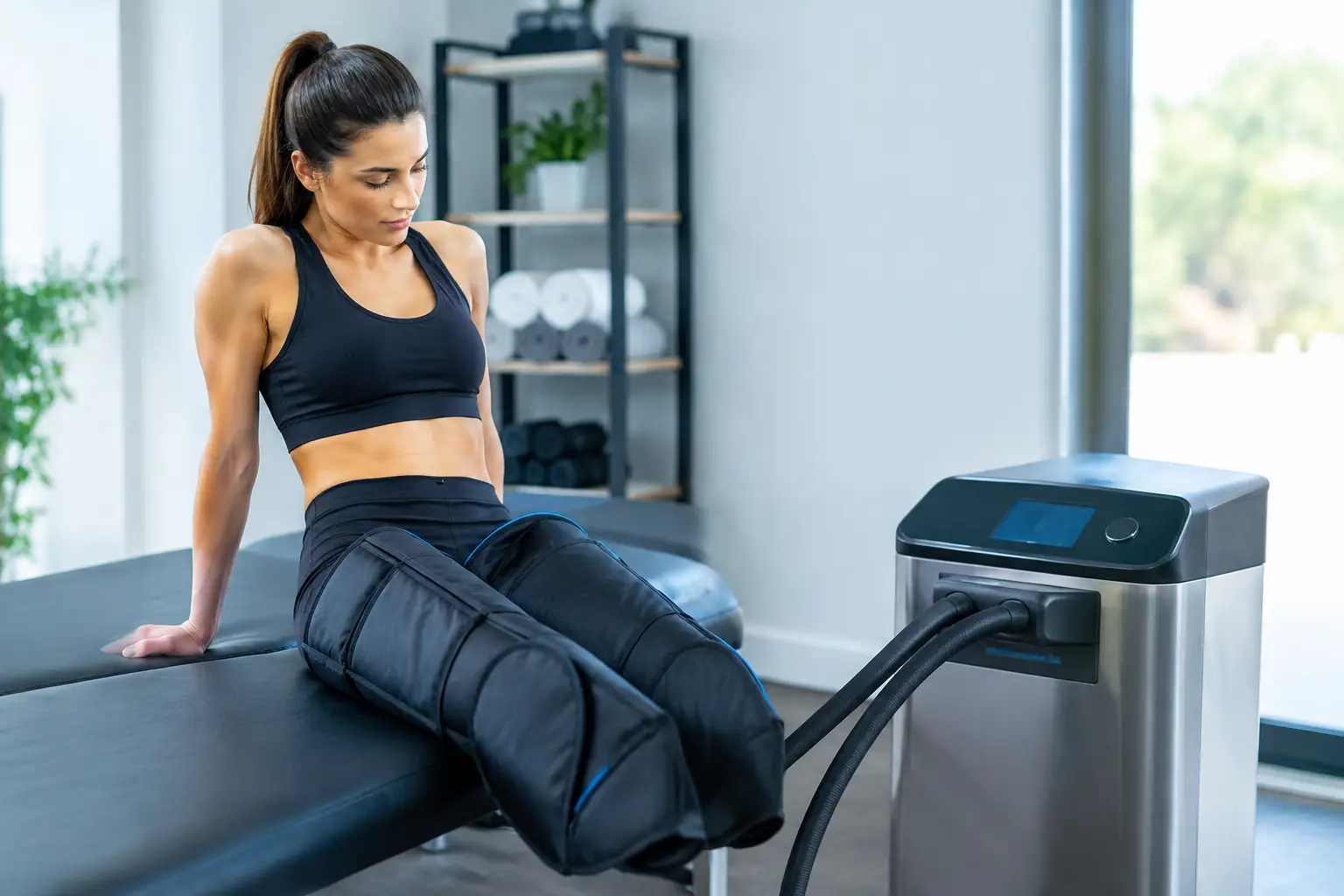
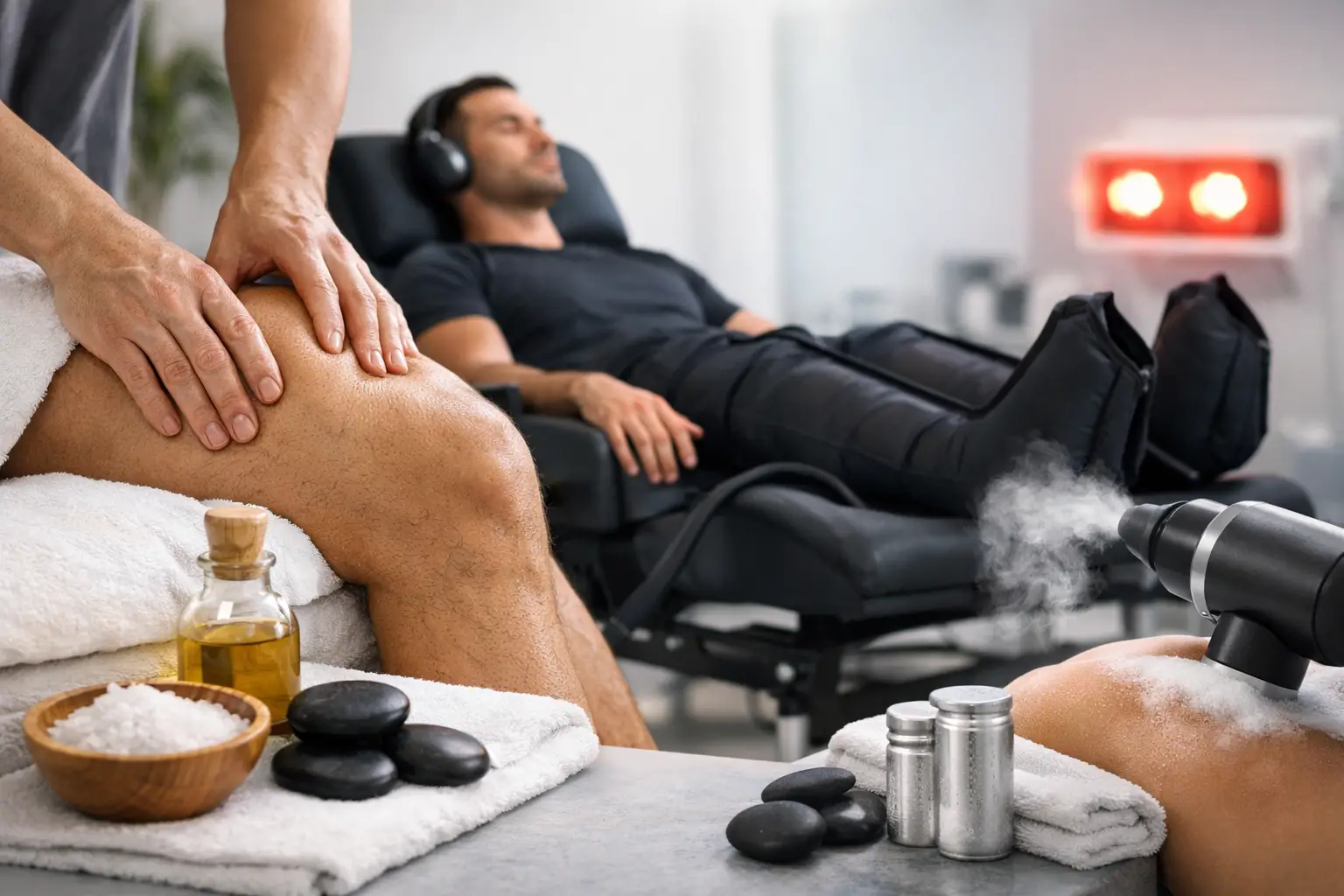
Compression boots, sports massage, foam rolling, and mobility work can all help, but they do not do the exact same job. Compression may feel useful after long runs, hard lower-body sessions, or extended time on your feet. Massage can reduce the perception of tightness and help you relax, though deeper pressure is not always better when tissue is highly tender.
Foam rolling is an affordable, at-home choice for temporary relief and improved range of motion. Use slow passes and moderate pressure. Rolling aggressively over a painful area can leave it more sensitive, especially if you are already dealing with irritation.
Mobility is most effective when it is specific. If your hips feel restricted after sitting and training, controlled hip movement may help more than random stretching. If your upper back is stiff from cycling or desk work, a few minutes of thoracic mobility can be more useful than forcing a painful shoulder stretch.
Heat Has a Place, Just Not for Every Situation
Heat often feels great for chronic stiffness, muscle tension, and the pre-workout feeling of being cold and restricted. A warm shower, heating pad, or sauna session may help you relax and move more comfortably.
But heat is not always the right first move after a fresh injury or when an area is visibly swollen, warm, or throbbing. In those cases, targeted cold therapy and reduced activity may be more appropriate. The simple rule: heat tends to help tightness, while cold tends to help irritated, inflamed areas.
Avoid the Recovery Habits That Slow You Down
The biggest recovery mistake is treating soreness as a challenge to beat. Training hard every day can feel disciplined, but repeated high-intensity sessions without enough recovery can lead to plateaus, persistent aches, poor sleep, and higher injury risk.
Another common problem is relying on pain medication to keep training through symptoms. Medication may have a role when recommended by a clinician, but it should not become permission to ignore sharp or worsening pain. Your body is giving you information. Listen before a small issue becomes time away from the activities you enjoy.
Be cautious with extreme recovery trends, too. More ice, more stretching, more supplements, and more gadgets do not automatically equal better results. If a treatment makes you feel worse, disrupts sleep, or causes you to compensate in your movement, it is not serving your recovery.
Build a Simple Recovery Plan You Can Repeat
The most effective plan is one you will actually do after a busy workday, a humid outdoor run, or a hard gym session. Start with the basics: eat a balanced meal, rehydrate, sleep enough, and choose light movement on days when your body feels heavy.
Then add targeted treatments based on your needs. A runner with sore quads may benefit from easy cycling, mobility, and localized cold therapy. Someone returning to workouts after a minor strain may need more rest between sessions and professional guidance before increasing load. A person dealing with recurring shoulder pain should look beyond recovery tools and examine technique, posture, training volume, and possible underlying injury.
Track patterns for two weeks. Notice which workouts trigger soreness, how long it lasts, whether one side consistently hurts more, and what genuinely helps. That information makes your recovery more precise and helps a qualified provider give better recommendations.
Know When Muscle Pain Needs More Than Recovery
Get medical attention for severe pain, major swelling, bruising, deformity, inability to bear weight, weakness, numbness, fever, chest pain, or dark-colored urine after intense exercise. Also seek guidance if pain is not improving after a reasonable period of rest or keeps returning in the same spot.
Recovery should help you regain confidence in movement, not teach you to tolerate pain. Give your body the fuel, rest, and targeted care it needs, then return to training with a plan that lets you keep showing up strong.