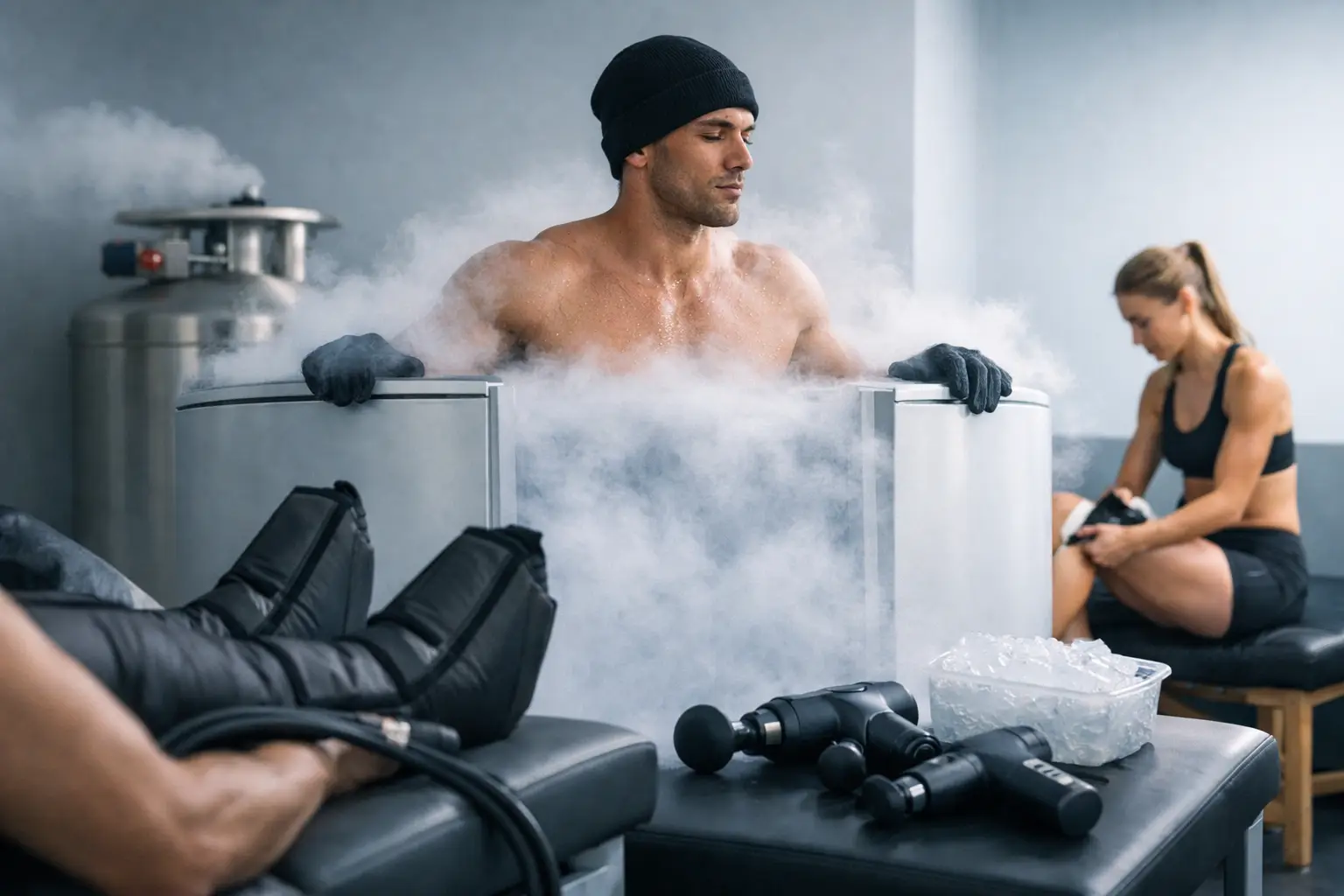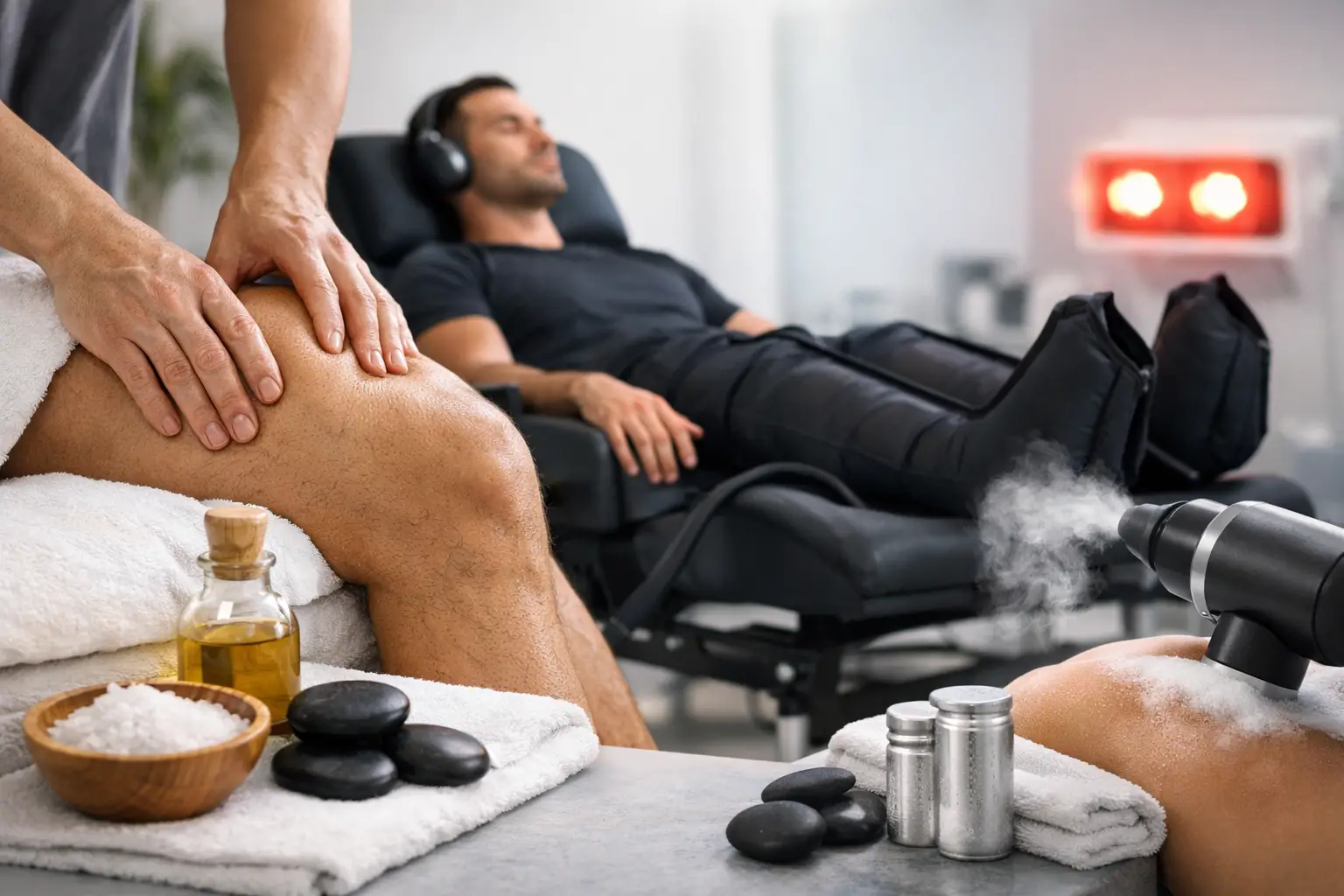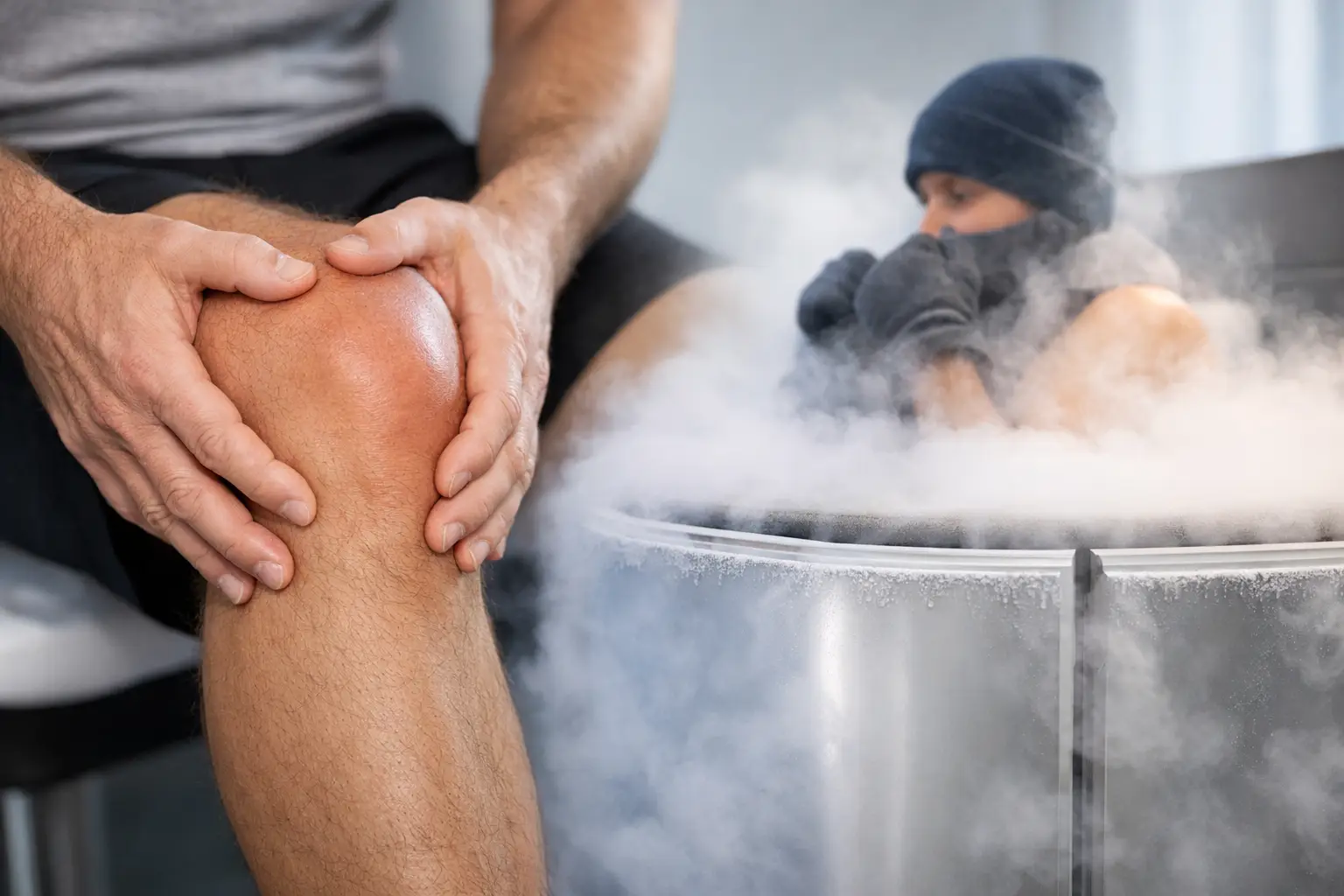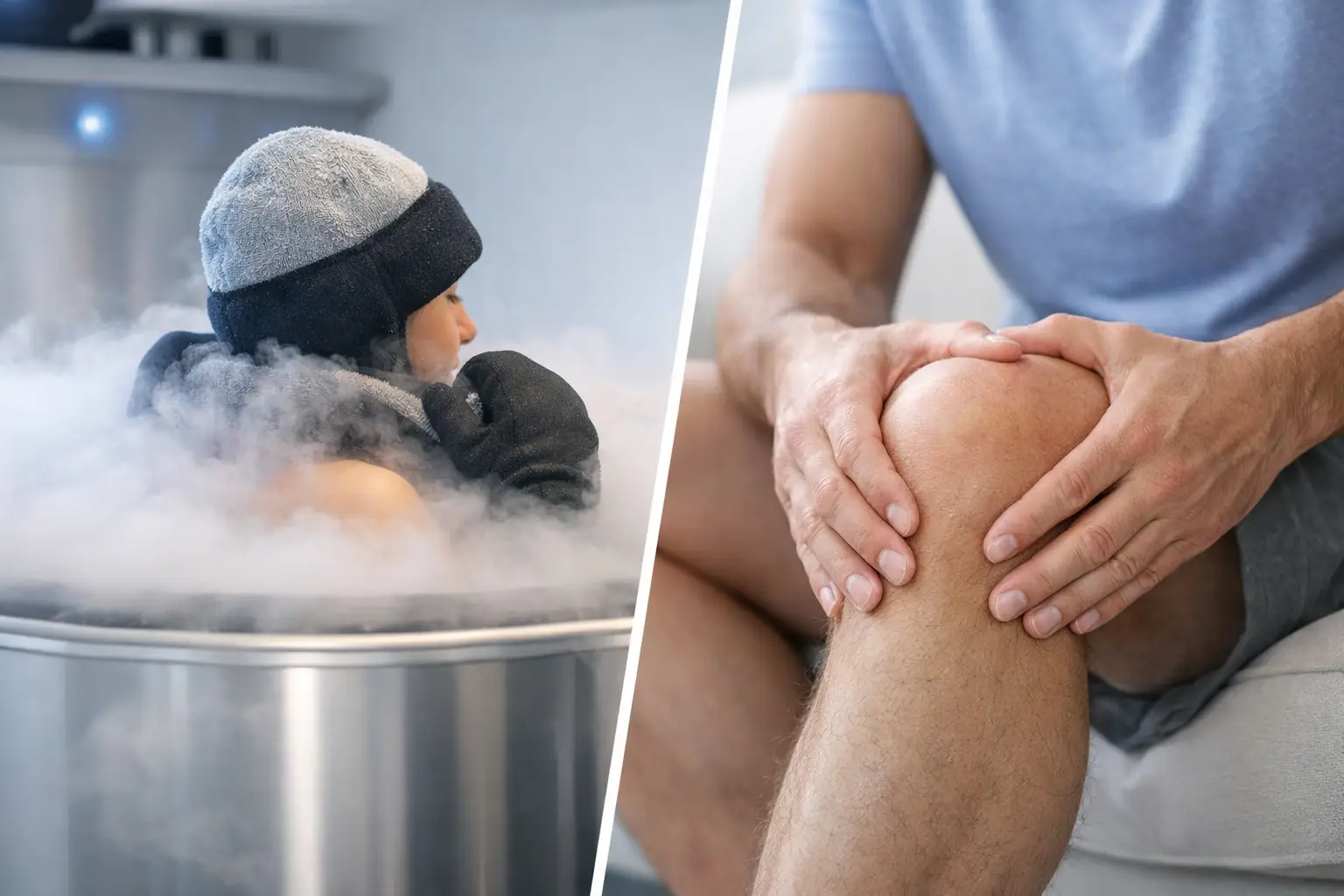
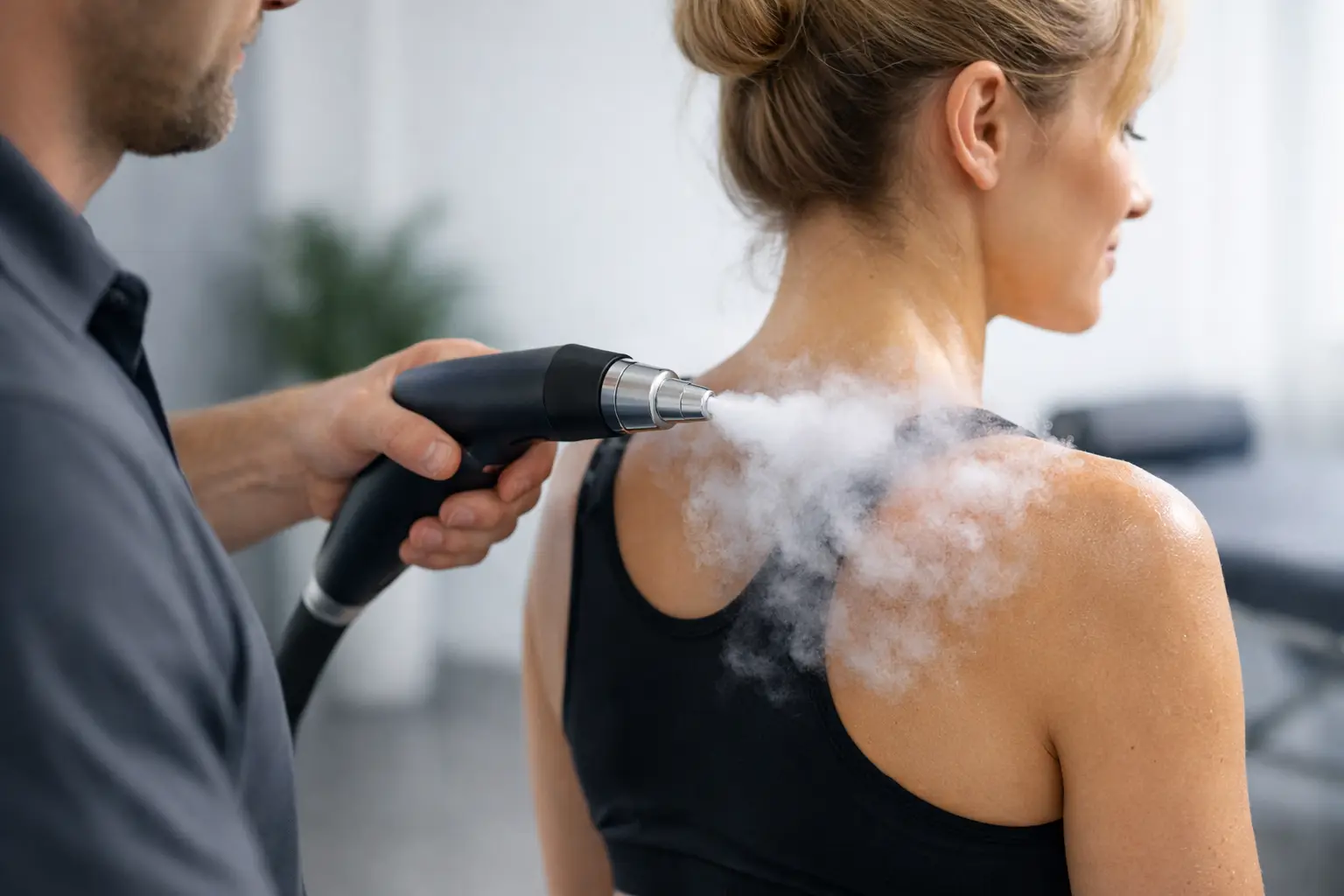
A stiff knee after a long run. A shoulder that still feels irritated after lifting. A tender area that makes normal movement feel like work. These are the moments when people want to know how localized cryotherapy works – and whether a focused cold treatment can help them get relief without medication, downtime, or a whole-body cold plunge.
Localized cryotherapy directs very cold air at one specific treatment area, such as the lower back, knee, hip, ankle, shoulder, or a worked muscle group. Rather than cooling the entire body, the provider concentrates on the area that needs attention. The goal is simple: calm discomfort, help manage inflammation, and support a faster return to movement.
How localized cryotherapy works
During a session, a trained provider uses a specialized device to deliver a controlled stream of cold air over the target area. The cold is intense, but the treatment is brief. Your provider moves the airflow continuously and monitors the skin and your comfort throughout the session.
That targeted exposure creates several short-term effects. First, cold stimulates sensory receptors in the skin, which can slow pain signals traveling from the treated area to the brain. This is why many clients feel a reduction in soreness or sensitivity during and shortly after treatment.
Cold also causes superficial blood vessels to narrow temporarily. That response can help limit swelling in an irritated area, particularly after strenuous activity or a minor acute injury. Once the session ends and the tissue rewarms, circulation returns. Many people describe the result as a lighter, looser feeling in the area they could not stop noticing before treatment.
Localized cryotherapy is not about freezing tissue, numbing an injury so you can ignore it, or “flushing toxins.” It is a controlled recovery tool. It can be useful for managing symptoms and supporting recovery, but the right plan depends on the source of your pain, your health history, and what your body needs next.
Why targeting one area changes the experience
Whole-body cryotherapy exposes the body to cold for a short period, often for general wellness, mood, or post-workout recovery. Localized cryotherapy puts the attention where the problem is. If your elbow is sore from tennis, your hamstring feels overworked, or your lower back is acting up after travel, there is no need to treat areas that are not bothering you.
This precision also makes sessions practical. A localized treatment is typically quick, easy to add to a recovery routine, and does not require the full-body exposure that some people find uncomfortable. For Miami-Dade clients with packed schedules, mobile treatment can make that convenience even more valuable: recovery comes to your home instead of becoming another errand.
What a localized cryotherapy session feels like
The first few seconds feel sharply cold, similar to placing an ice pack on your skin but more intense and more evenly controlled. As the session continues, the sensation often shifts to a deep chill, tingling, or temporary numbness. You should be able to communicate comfortably with your provider the entire time.
A professional session is not a test of toughness. The provider adjusts positioning, keeps the device moving, and checks the skin response. You may feel immediate relief, especially if the area was hot, achy, or irritated. Other clients notice the biggest difference later, when they move more comfortably after a workout, a long day on their feet, or a rehabilitation appointment.
Results vary. A fresh flare-up, chronic pain pattern, post-training muscle soreness, and post-surgical recovery are not the same situation. Some people benefit from a single session before an event or after a demanding workout. Others use a series of treatments alongside physical therapy, mobility work, strength training, or medical care.
Where targeted cold therapy can help
Localized cryotherapy is commonly used for sore muscles, overworked joints, minor strains, and recovery after intense training. Runners may use it around the knees, calves, or Achilles area. Lifters often request treatment for shoulders, elbows, and lower backs. People who spend long hours standing, driving, or sitting at a desk may use it to address areas that feel persistently tight or aggravated.
It can also fit into an orthopedic recovery plan. If you are managing swelling or discomfort after an injury or procedure, cold therapy may offer symptom relief that makes rest and prescribed movement easier to tolerate. It should not replace your surgeon’s instructions, physical therapy plan, or medical follow-up. Think of it as a supportive layer, not a substitute for diagnosis and rehabilitation.
For horse owners and trainers, the same targeted principle can be applied through professional equine cryotherapy. Legs, joints, and worked muscle areas can take significant stress from training and competition. Equine treatment should be tailored to the horse’s condition and coordinated with veterinary guidance, especially when lameness, wounds, or a significant injury is involved.
Localized cryotherapy and aesthetic goals are not identical
Cold-based treatments are used in both recovery and aesthetics, but they work differently depending on the service. A targeted cold-air session for a sore shoulder is designed for short-term cooling, comfort, and recovery support. It is not a fat-loss treatment.
Cryolipolysis, often used for body contouring, uses controlled cooling with a dedicated applicator to affect fat cells beneath the skin. The body gradually processes those affected cells over time. Results are not instant, and it is not a weight-loss solution. It is best suited for people near a stable weight who want to address a specific pinchable area that has been resistant to diet and exercise.
Other cosmetic cold-based protocols may be used to support the appearance of firmer skin, smoother texture, or a refreshed look. Expectations matter here. Visible aesthetic change typically requires a personalized plan, consistent sessions when recommended, and realistic timing. A professional provider should explain what the specific modality can and cannot do before you begin.
When cold therapy is not the right choice
Cold is powerful, and it is not appropriate for everyone. Tell your provider about medical conditions, recent procedures, medications, and changes in sensation or circulation before treatment. People with cold hypersensitivity, cold urticaria, Raynaud’s phenomenon, significant circulation problems, severe neuropathy, or reduced ability to feel temperature may need to avoid localized cryotherapy or get medical clearance first.
Do not use a treatment to push through severe pain, a suspected fracture, a major tear, a blood clot concern, infection, or unexplained swelling. If pain is sudden, worsening, accompanied by weakness or numbness, or follows a serious injury, seek medical evaluation. Fast relief is valuable, but getting the right answer about the cause matters more.
Getting more from each session
Come in with a clear goal. Is the priority calming post-leg-day soreness, reducing irritation before a weekend race, supporting your recovery plan after surgery, or treating a stubborn joint that flares after work? That context helps your provider focus the session and recommend an appropriate frequency.
Hydration, sleep, gentle movement, and smart training choices still matter. Localized cryotherapy can reduce discomfort, but it cannot correct poor lifting mechanics, replace rehab exercises, or make an overloaded tendon ready for another hard workout overnight. When you pair treatment with the right recovery habits, the benefits have a better chance to carry into the rest of your week.
For many clients, the best part is how accessible focused cold therapy can be. CryoNook brings professional localized cryotherapy directly to you, so it is easier to fit pain relief, performance recovery, and non-invasive wellness into real life. If a specific area keeps slowing you down, a targeted session can be a practical next step – one that helps you listen to your body while giving it the support to move forward.