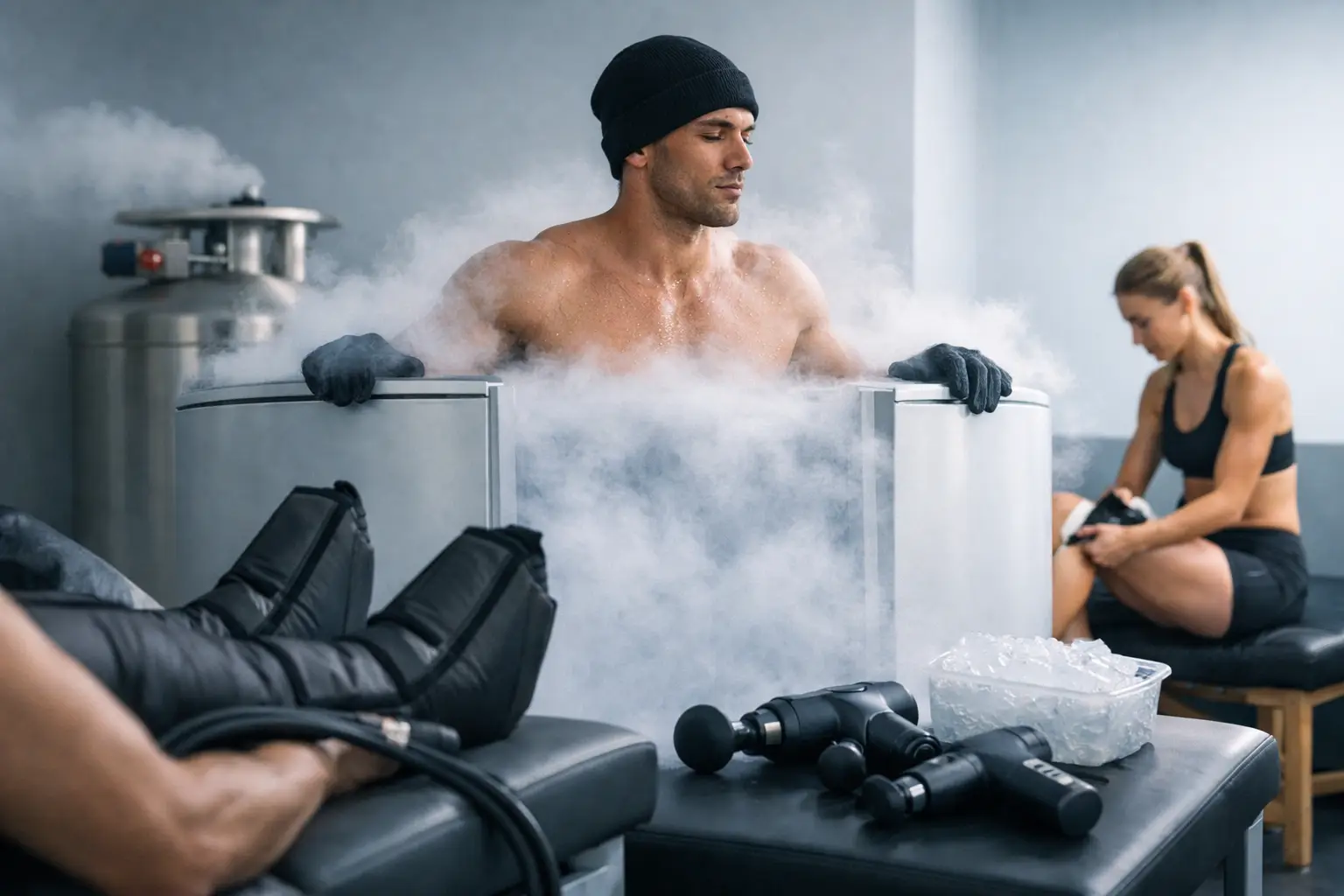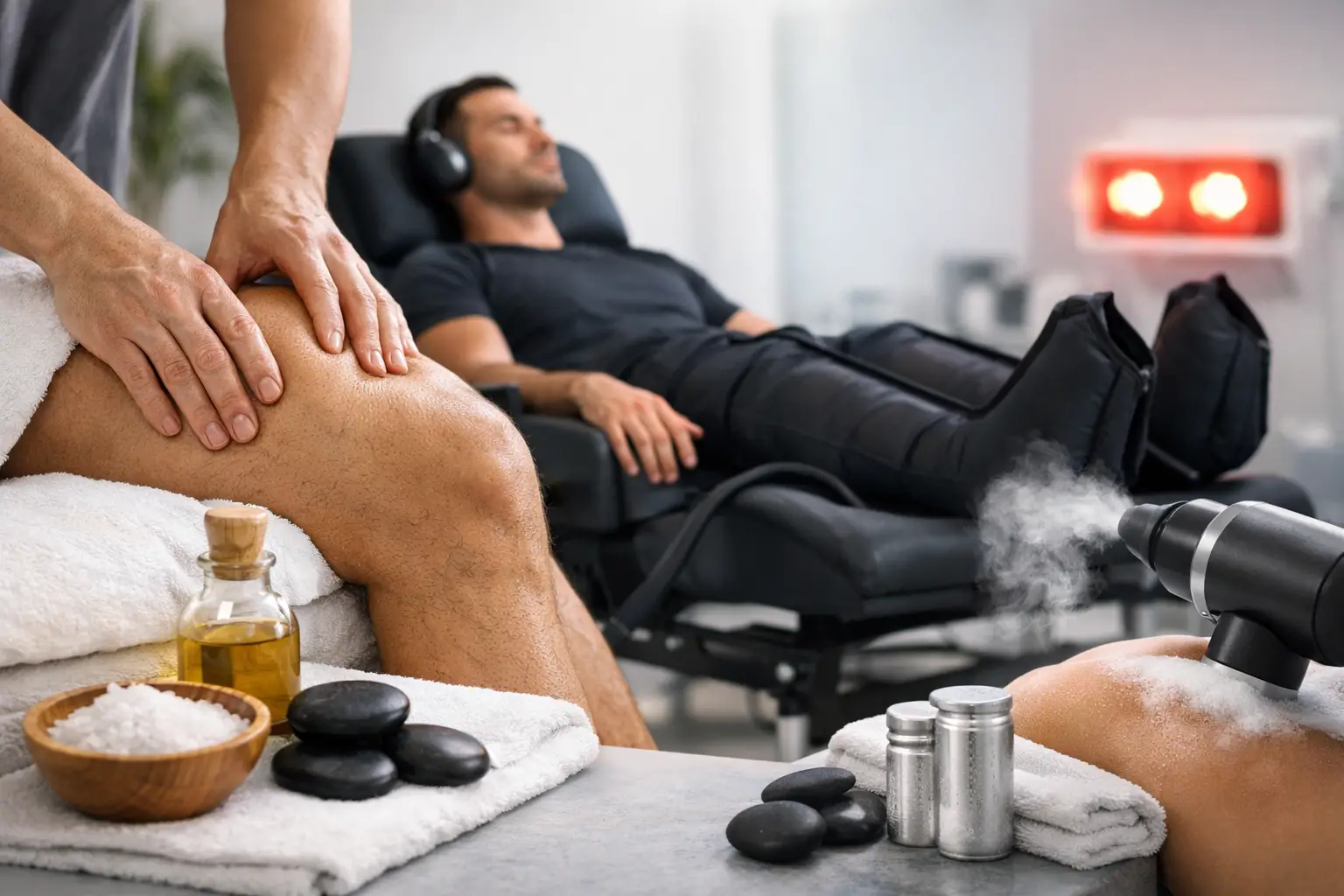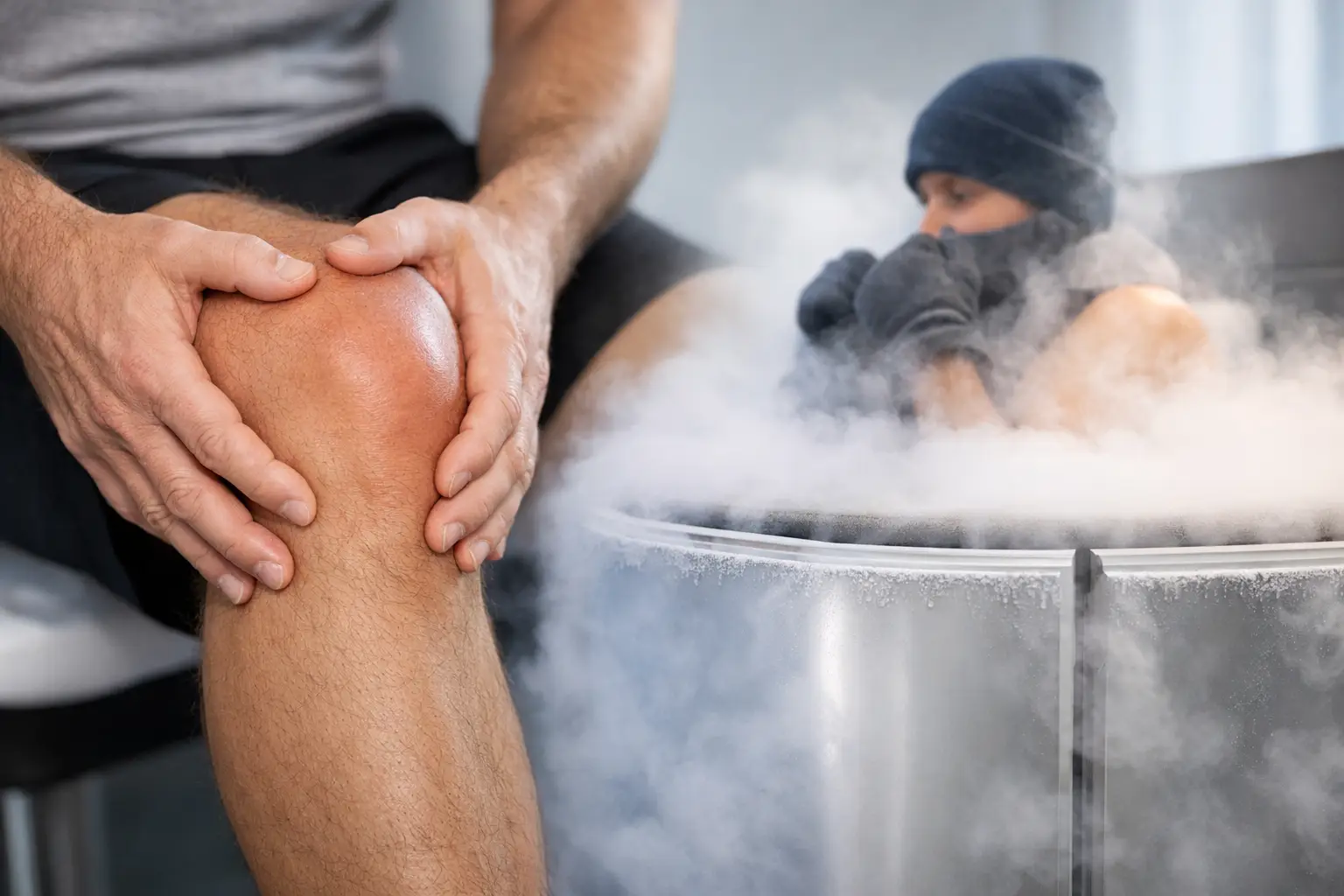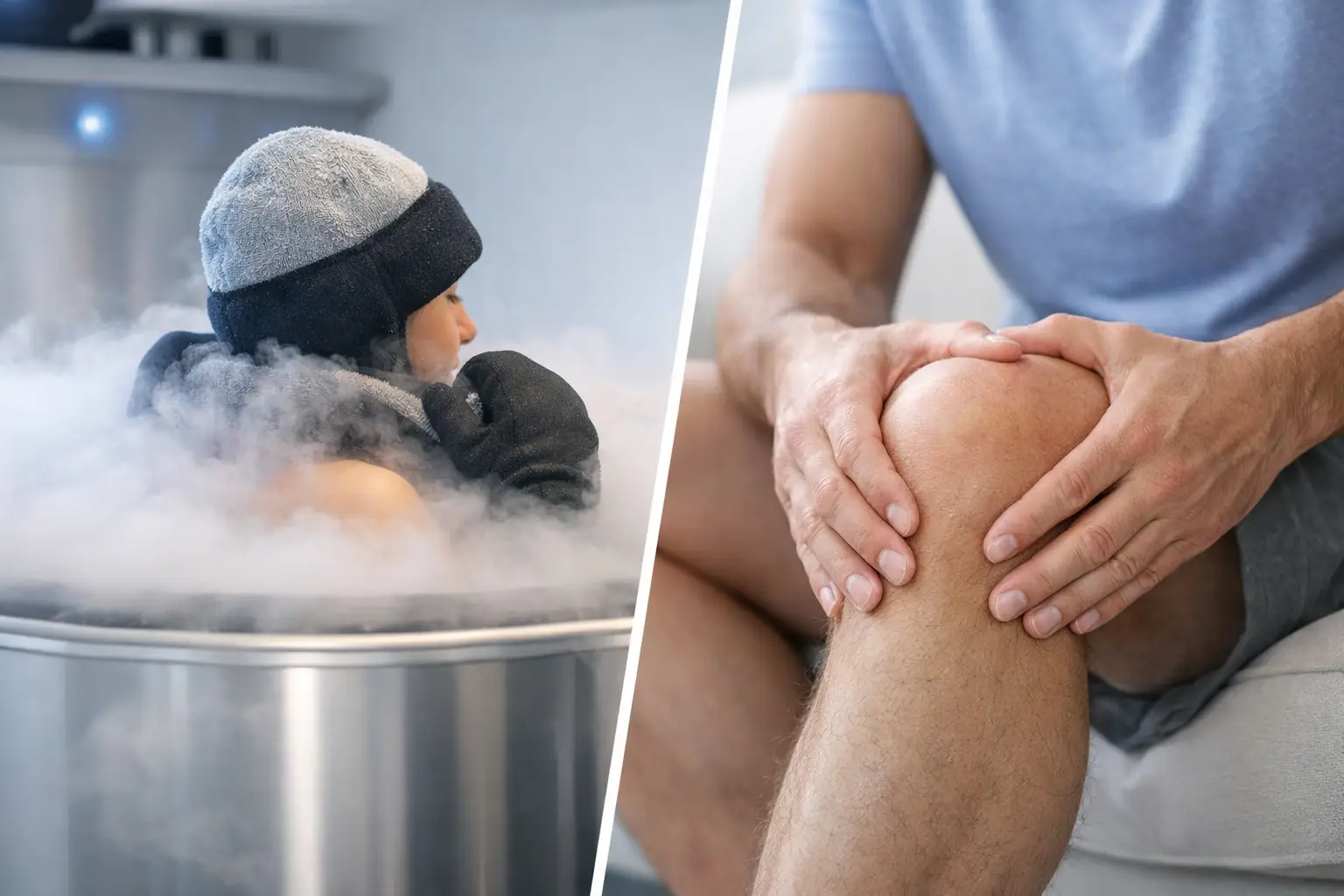
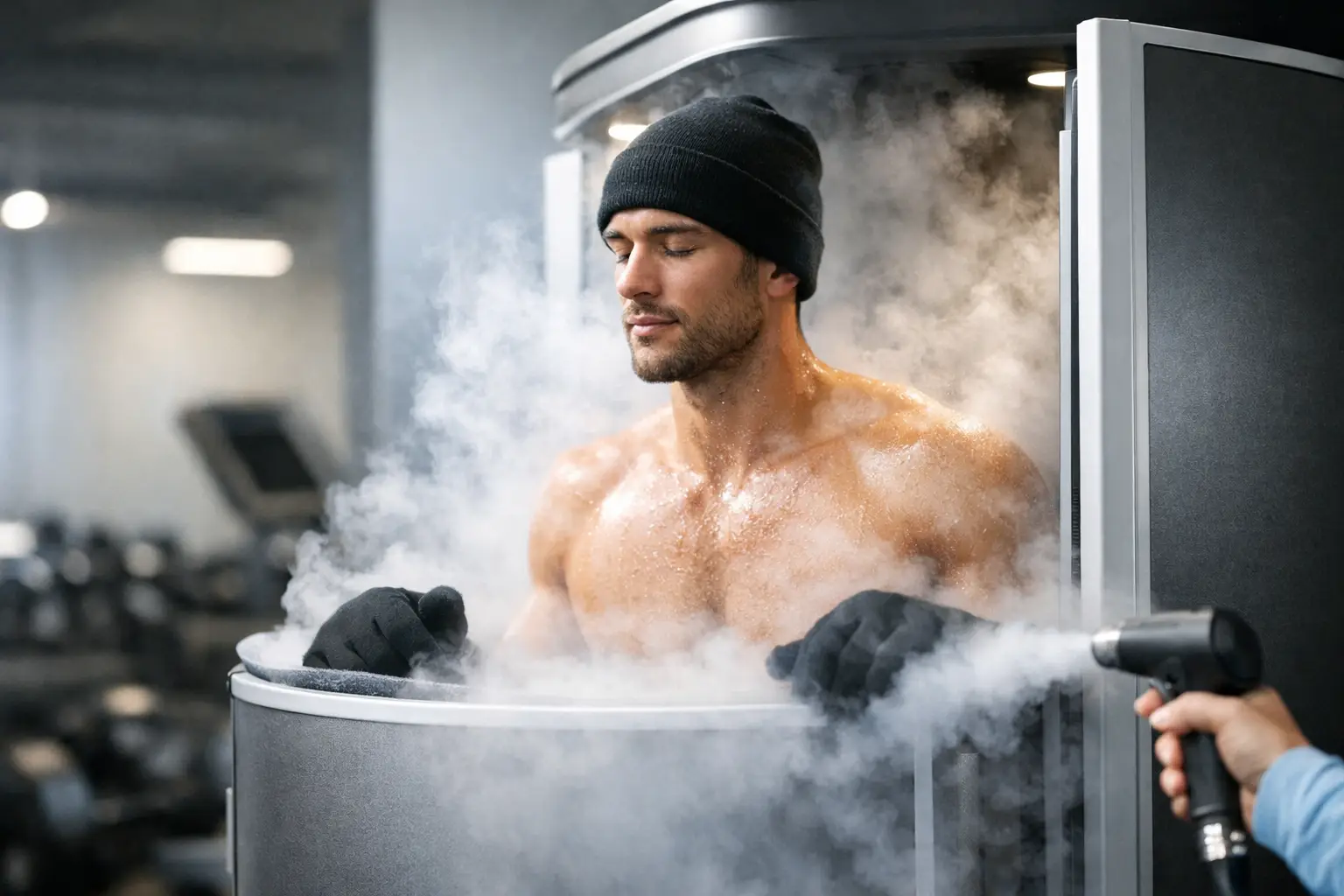
That post-leg-day walk down the stairs should not feel like a personal challenge. Hard training creates muscle stress, joint irritation, and temporary inflammation as your body adapts. How cryotherapy supports workout recovery comes down to a simple advantage: targeted cold therapy can calm an overworked area quickly, helping you feel more comfortable and ready for what is next.
For Miami athletes, gym regulars, runners, and weekend competitors, localized cryotherapy offers a precise, non-invasive way to support recovery without putting your whole body through extreme cold. It is designed to focus on the muscle, joint, or treatment area asking for attention – whether that is a tight shoulder after lifting, sore quads after a run, or a cranky knee after court time.
How Cryotherapy Supports Workout Recovery
Exercise is supposed to challenge the body. The trouble starts when soreness, swelling, or nagging discomfort keeps you from moving well between sessions. Localized cryotherapy uses a controlled stream of cold air on a specific area for a short treatment. The cold sensation can help reduce blood flow temporarily at the treatment site, which may help manage post-workout inflammation and discomfort.
For many active people, the immediate benefit is relief. A tight muscle may feel less reactive. A sore joint may feel easier to move. That matters because recovery is not only about sitting still. It is about returning to normal movement, quality sleep, mobility work, and training with better form.
Cryotherapy is not a shortcut around rest, nutrition, hydration, or smart programming. It is a recovery tool that can fit alongside those fundamentals. When used at the right time, it can make the uncomfortable stretch between a hard workout and your next session more manageable.
Why Targeted Cold Therapy Fits Active Lifestyles
Whole-body cold exposure gets plenty of attention, but it is not always necessary when one area is the problem. If your lower back feels strained after deadlifts or your elbow is irritated after a long tennis session, localized treatment puts the focus where you need it.
That targeted approach is especially useful for people who want practical recovery without the time commitment of a full wellness appointment. Sessions are fast, non-invasive, and require no downtime. You can receive treatment, get back to your day, and continue your normal recovery routine.
Localized cryotherapy can be a smart option for common post-training concerns, including muscle soreness, stiffness, minor swelling, joint discomfort, and fatigue in frequently used areas. Think calves after a long run, shoulders after swimming, glutes after heavy lower-body training, or wrists after boxing and strength work.
It can make movement feel more comfortable
When an area is sore, people often compensate without realizing it. They shift weight away from one leg, avoid a full range of motion, or alter technique to work around discomfort. Those changes can affect the next workout and sometimes place extra stress on other areas.
Cold therapy may help reduce the feeling of pain and sensitivity in the treated area. That does not mean you should immediately repeat the same intense workout. It means you may be more comfortable doing the recovery work that helps most: walking, gentle mobility, stretching when appropriate, and returning to movement with control.
It can support recovery after high-volume training
High-volume workouts create cumulative stress. A demanding week of strength training, running, cycling, dance, CrossFit-style conditioning, or recreational sports can leave the same muscle groups and joints feeling constantly overworked.
A targeted session can be particularly useful after a major training day or during a busy competition schedule. Some clients use it when soreness is limiting daily activity. Others schedule it proactively around races, tournaments, or periods when they need to maintain performance without feeling beaten up between sessions.
The best timing depends on your goals. If you are training for muscle growth, frequent cold exposure immediately after every resistance workout may not be ideal for everyone, since inflammation is part of the adaptation process. But when pain, swelling, or discomfort is interfering with movement and recovery, localized cryotherapy may offer meaningful support. Your training volume, injury history, and current symptoms all matter.
Where Athletes Often Feel the Difference
Recovery is personal, but certain areas repeatedly take a beating. Runners and soccer players often seek support for calves, hamstrings, knees, ankles, and hips. Lifters commonly focus on shoulders, elbows, low back, quads, and glutes. Tennis, pickleball, golf, and padel players may notice recurring stress around the elbow, shoulder, wrist, or knee.
The point is not to chase every ache. It is to address the area that is limiting your movement or making training less enjoyable. A focused treatment plan can help you stay ahead of the small issues that often become bigger interruptions when ignored.
For acute soreness after exercise, a single session may provide a welcome reset. For recurring discomfort, more consistent care may be appropriate alongside guidance from a qualified healthcare professional, physical therapist, or trainer. Cryotherapy can support a bigger recovery plan, but it should not replace an evaluation for persistent pain, instability, numbness, major swelling, or loss of function.
What a Localized Cryotherapy Session Feels Like
The treatment is brief and focused. A trained provider directs controlled cold air toward the selected area, monitoring your comfort throughout the session. You will feel intense cold, but the treatment is designed to be quick. Many clients describe the sensation as energizing rather than overwhelming.
There are no needles, medication, or recovery downtime. That makes localized cryotherapy appealing when you need relief without disrupting work, family plans, or training. CryoNook brings this focused approach directly to clients, making it easier to build recovery support into a packed schedule.
You may notice that the area feels lighter, less tender, or easier to move shortly after treatment. Results vary based on the severity of soreness, the nature of the issue, and your individual response. For best results, pair the session with the basics that actually drive recovery: adequate protein, hydration, quality sleep, mobility, and sensible training adjustments.
Use Cryotherapy Wisely, Not Aggressively
More recovery treatments are not automatically better. The goal is to use cold therapy with intention. If you have an important event, a flare-up of post-workout soreness, or a joint that feels irritated after activity, targeted cryotherapy may be a useful addition. If you are trying to maximize long-term training adaptation, consider when and how often you use it rather than applying it automatically after every session.
Cold therapy is also not right for every person. People with cold sensitivity, certain circulation conditions, reduced sensation in the treatment area, or specific medical concerns should speak with a healthcare professional before treatment. Let your provider know about recent injuries, surgeries, medications, and health conditions so treatment can be approached safely.
A sharp pain, visible deformity, inability to bear weight, sudden weakness, or symptoms that do not improve deserve medical attention. Recovery tools work best when they are used for the right problem.
Make Recovery Easier to Keep Up With
The most effective recovery routine is usually the one you can actually maintain. You do not need to turn every workout into a complicated protocol. Pay attention to the areas that repeatedly feel overloaded, act early when discomfort changes how you move, and give your body enough room to adapt.
Targeted cryotherapy gives active people a fast, non-invasive option when sore muscles and stressed joints need extra support. Treat recovery like part of your training plan, not the thing you squeeze in only after your body forces you to slow down.