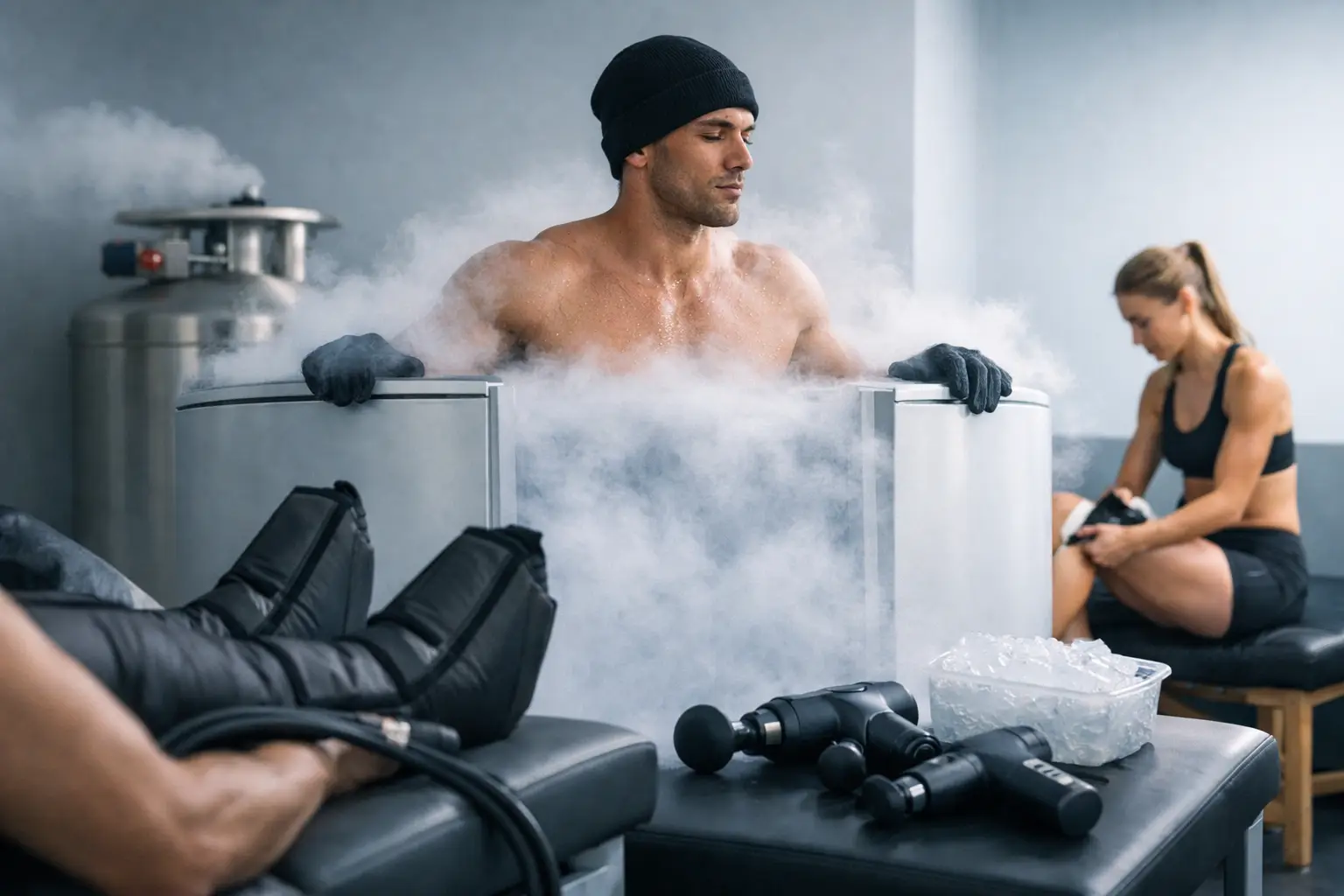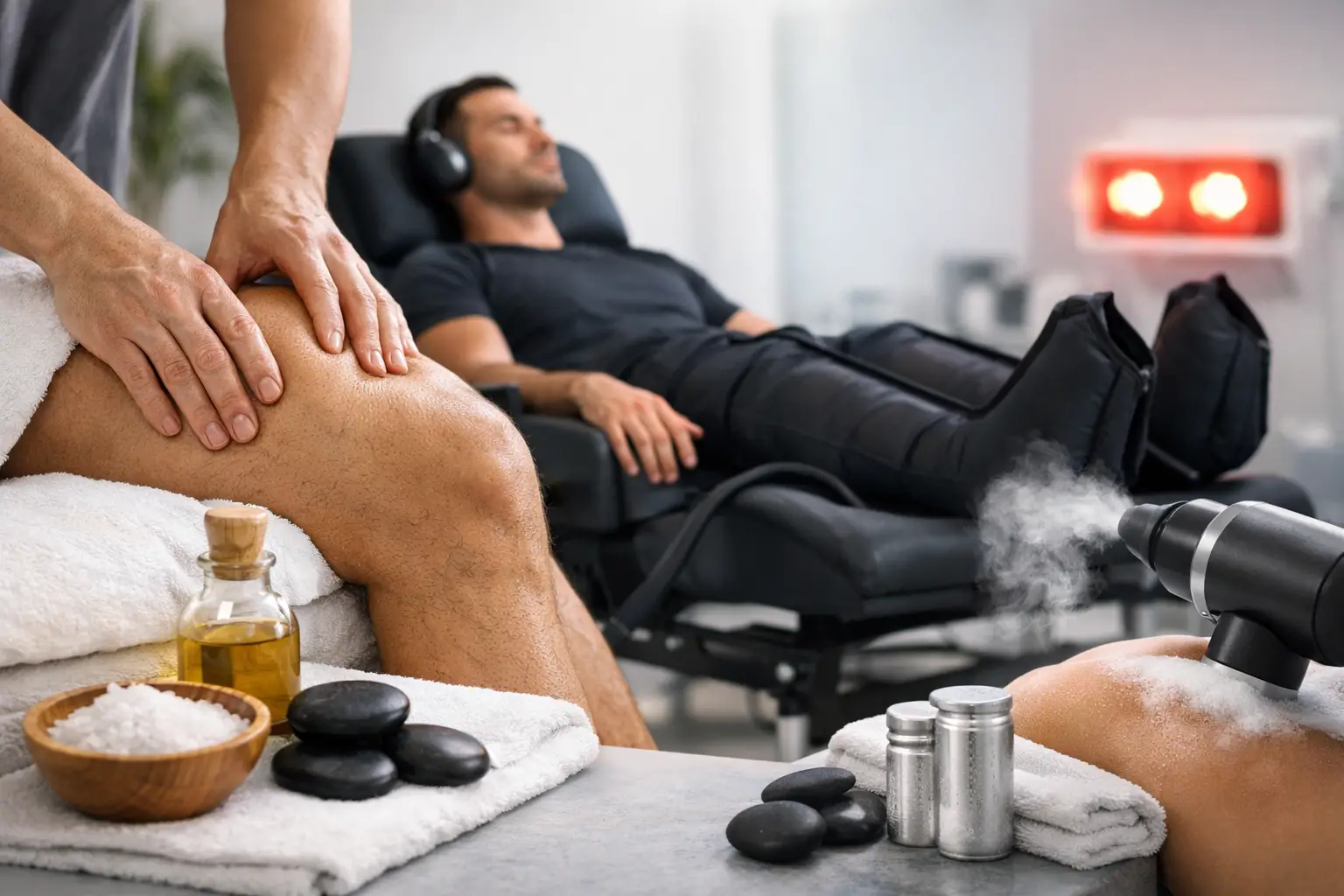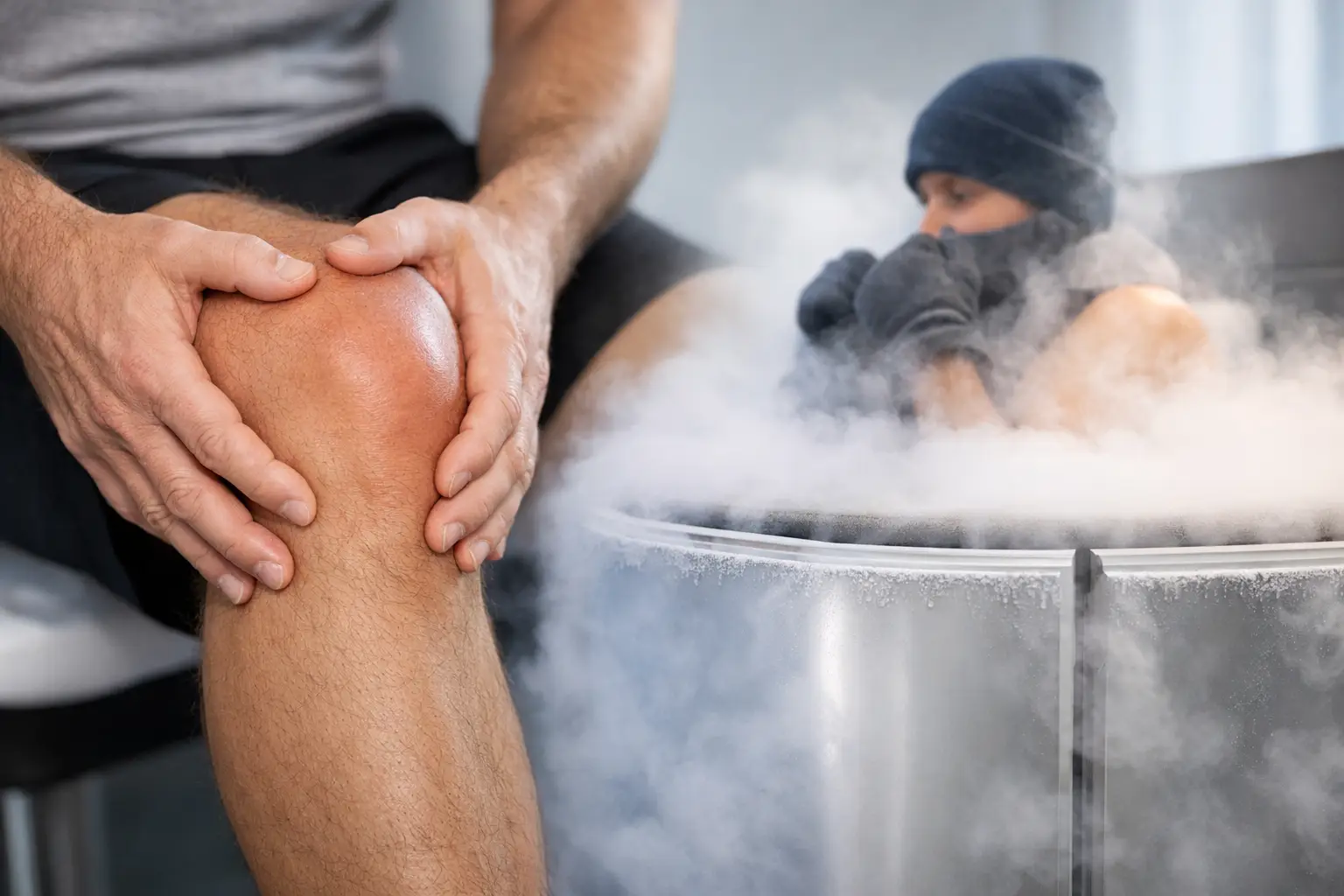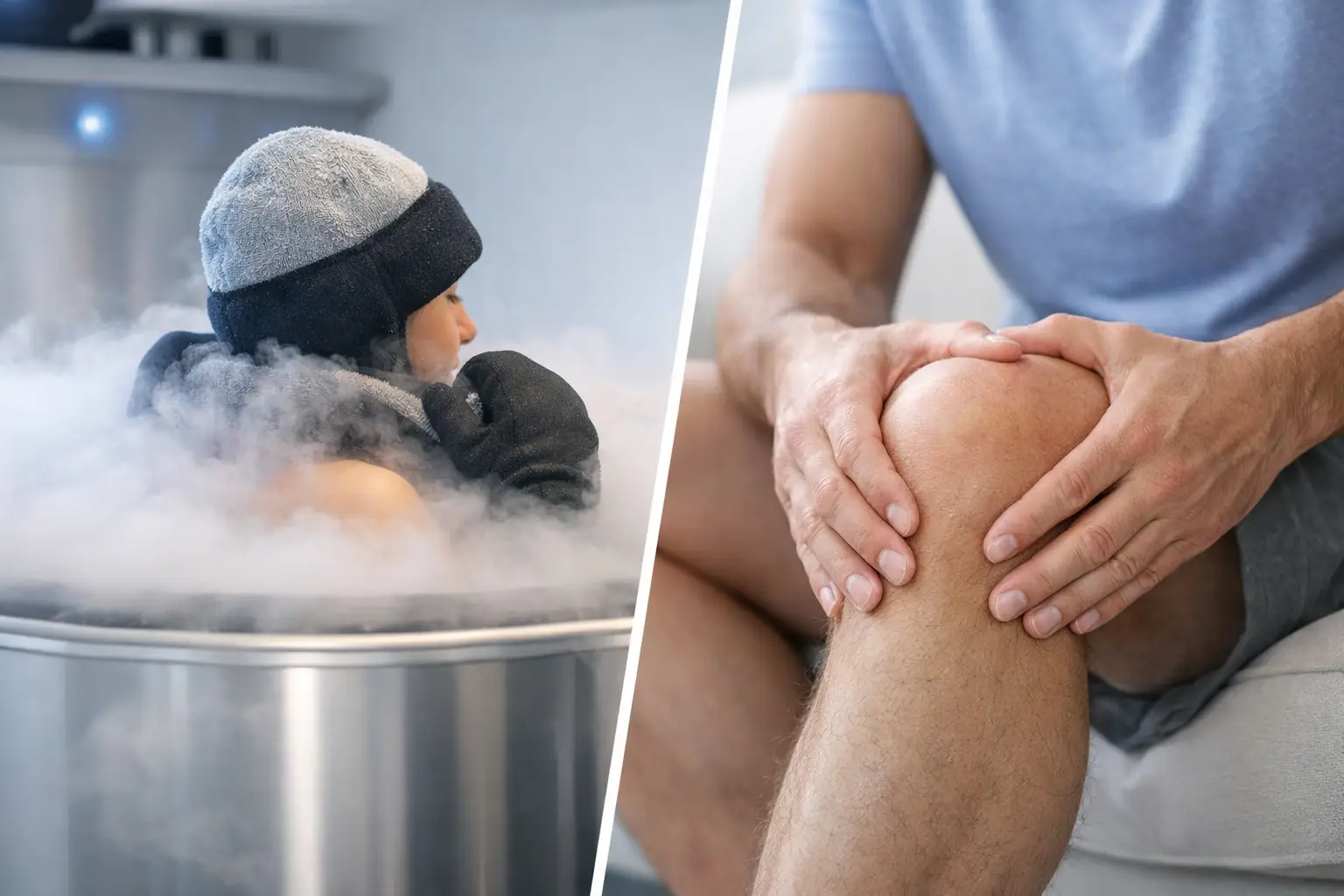
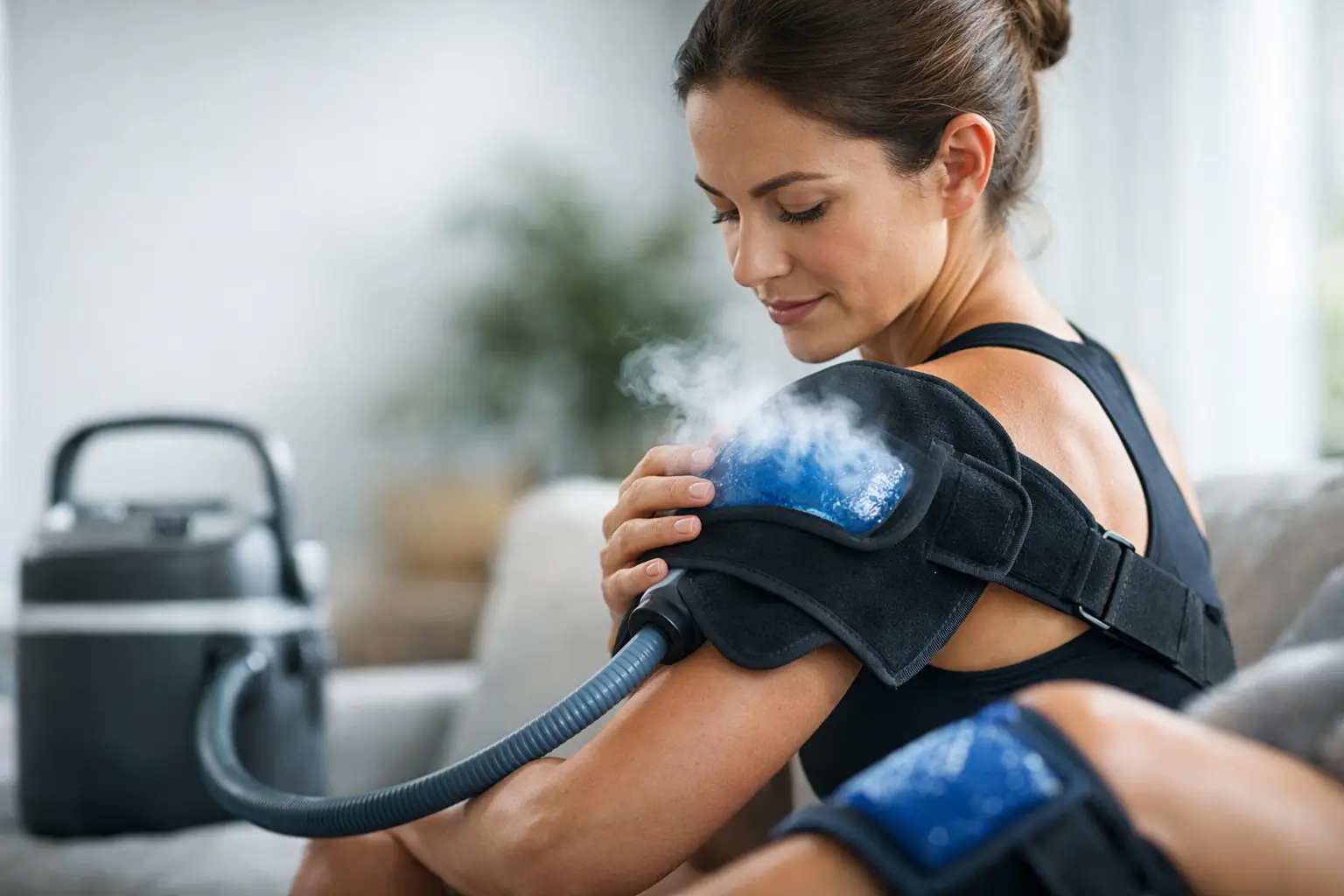
A sore knee after a long run, a tight low back after a demanding workweek, or a swollen shoulder after training all have one thing in common: the discomfort is local. That is why understanding how targeted cold therapy works matters. Instead of exposing your entire body to extreme cold, localized cryotherapy directs controlled cold air to the exact joint, muscle, or treatment area that needs attention.
The result is a fast, non-invasive treatment designed to help reduce inflammation, calm pain signals, and support recovery without needles, downtime, or a complicated routine. For Miami-Dade clients balancing training, work, family, and recovery, that focus can make a real difference.
How Targeted Cold Therapy Works in the Body
Targeted cold therapy uses a specialized device to deliver very cold, dry air to a specific area for a short session. The skin temperature drops quickly, triggering an immediate response from the nerves and blood vessels beneath the skin.
First, cold activates sensory receptors in the skin. This can temporarily slow the speed at which pain signals travel to the brain, which is why many people feel relief during or shortly after a session. The cold sensation is intense but brief, and treatments are carefully controlled to keep the experience focused and efficient.
Next, the blood vessels in the treated area constrict. This process, called vasoconstriction, can help limit blood flow to an irritated or overworked area for a short period. For clients dealing with swelling after activity, a minor strain, or an inflamed joint, that response may help the area feel less hot, puffy, and reactive.
After treatment ends, the body begins to rewarm the area naturally. Circulation returns, and many clients notice that the treated muscle or joint feels looser, calmer, and easier to move. Cold therapy does not repair a serious injury on its own, but it can be a useful recovery tool alongside appropriate medical care, physical therapy, mobility work, and rest.
Why Localized Treatment Feels Different
An ice pack cools whatever it touches, but it also warms up quickly, adds moisture, and can be awkward to hold in place. Targeted cryotherapy is different because it uses a controlled stream of cold air to reach a defined treatment zone without compressing it or soaking the skin.
That precision matters. A runner with post-workout knee discomfort does not necessarily need full-body cold exposure. A client with a tight elbow, a tender ankle, or a sore hip may benefit more from a session that concentrates on the exact source of discomfort. The goal is simple: treat the area that is asking for attention.
Localized treatment also makes sense for people who want cold therapy benefits but do not enjoy or need whole-body cryotherapy. Sessions are short, clients remain clothed except for the treatment area, and there is no extended recovery period afterward. You can often return to your day right away.
What Targeted Cold Therapy Can Support
Cold therapy is widely used in sports recovery and pain-management routines because it can help settle the body after stress. At CryoNook, targeted sessions are built around the client’s treatment area, goals, and current comfort level rather than a one-size-fits-all approach.
Training recovery and muscle soreness
Hard workouts create temporary stress in muscles and connective tissue. That is a normal part of training, but soreness can make it harder to move well at the next session. Focused cold treatment may help reduce the feeling of post-workout soreness in areas such as the quads, hamstrings, calves, shoulders, and lower back.
For active clients, timing depends on the goal. Some prefer a session after a demanding workout or race, while others schedule treatment between training days when stiffness is limiting movement. If you are training for performance gains, ask a qualified coach or health professional about the best timing for your program, since frequent cold exposure immediately after every strength session may not suit every training objective.
Acute aches, swelling, and overuse discomfort
A twist, impact, repetitive movement, or long day on your feet can leave one area feeling irritated. Cold can be especially appealing when the area feels warm, swollen, or tender. Targeted therapy may support comfort around the knee, ankle, wrist, elbow, shoulder, hip, or back while you follow an appropriate recovery plan.
The key word is support. Sudden severe pain, visible deformity, inability to bear weight, major swelling, numbness, or symptoms that worsen need medical evaluation. Cold therapy should not be used to push through an injury that needs diagnosis.
Chronic pain management routines
For people living with recurring stiffness or chronic joint and muscle discomfort, short cold therapy sessions can become part of a broader symptom-management routine. The temporary pain-calming effect may make everyday movement, stretching, or rehabilitation exercises feel more manageable.
Results vary based on the cause of pain, the treatment area, activity level, and overall health. A client with chronic low back discomfort may respond differently than someone managing an overworked shoulder. Consistency can be helpful, but more treatment is not automatically better. The right schedule is the one that supports relief without replacing professional care when it is needed.
What a Session Usually Feels Like
A targeted cryotherapy session is quick. The provider identifies the treatment area, checks the skin, and directs cold air in a controlled pattern. You may feel a strong cold sensation first, followed by tingling, numbness, or a deep cooling effect. The provider monitors your response throughout the session and adjusts as appropriate.
Afterward, the skin may look pink or red for a short time as the area rewarms. Many clients describe a lighter, less tense feeling and improved comfort with movement. Others experience the most noticeable benefit later in the day after their body has had time to settle.
The treatment should never feel like something you have to endure. Speak up immediately if you feel burning, sharp pain, excessive discomfort, or unusual numbness. Professional application and open communication are part of safe, effective care.
Targeted Cryotherapy Is Not the Same as Fat Freezing
Both treatments use cold, but they serve different purposes. Targeted cold therapy for pain and recovery is generally a brief session aimed at calming discomfort, supporting circulation changes, and reducing the sensation of inflammation in a specific area.
Cryolipolysis, often called fat freezing, is an aesthetic body-contouring treatment that uses controlled cooling over a longer period to target fat cells beneath the skin. It is not a pain-recovery session, and it should not be booked as one. A professional consultation helps determine whether your goal is recovery support, body contouring, skin-focused care, or another service entirely.
Who Should Check With a Medical Professional First?
Cold therapy is non-invasive, but it is not right for everyone. People with cold hypersensitivity, cold urticaria, Raynaud’s phenomenon, reduced sensation in the treatment area, poor circulation, certain nerve conditions, or open wounds should discuss treatment with a qualified medical professional first.
The same applies if you are pregnant, have a serious health condition, recently had surgery, take medications that affect circulation or sensation, or are unsure whether pain is from a simple overuse issue or something more serious. For post-surgery recovery, follow your surgeon’s instructions before adding any wellness treatment.
Make Recovery More Convenient
The best recovery tool is often the one you can use consistently. Targeted cold therapy fits well into a practical routine because sessions are short, focused, and require no downtime. Pair it with hydration, sleep, smart training, mobility, and the care plan recommended for your condition.
Whether you are recovering from a hard workout, managing a stubborn sore spot, or looking for a non-invasive way to feel more comfortable in your body, precision matters. A focused treatment can meet the problem where it is – and help you get back to moving with more confidence.