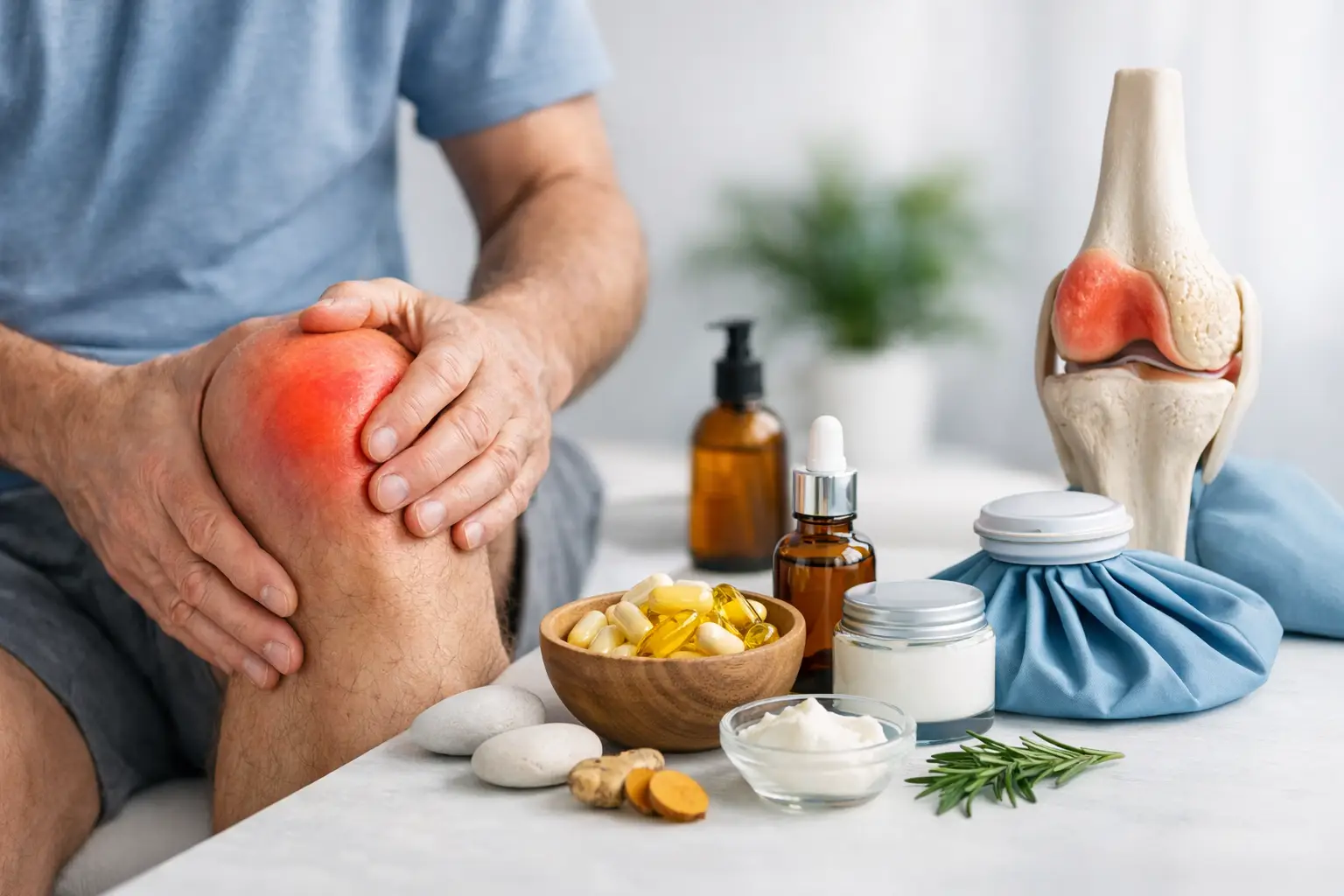

A sore knee after a long run, a tight low back after travel, or a stubborn shoulder that will not settle down can make fast, targeted relief sound like the obvious next move. But who should avoid cryotherapy? The answer depends on your health history, the area being treated, and the type of cold-based service you are considering.
Localized cryotherapy can be a practical, non-invasive option for many adults looking to support recovery, manage temporary soreness, or complement a wellness routine. Still, cold is a powerful stimulus. A professional screening is not a formality – it is how you make sure the treatment fits your body and your goals.
Who Should Avoid Cryotherapy or Get Medical Clearance?
Some people should not receive cryotherapy without direct approval from a qualified medical provider. Others may be able to receive a modified, localized treatment after a provider and trained technician review the situation. The key is to be specific about your diagnosis, medications, symptoms, and treatment area.
People with cold sensitivity conditions
If cold exposure causes hives, swelling, wheezing, faintness, or unusual pain, cryotherapy may not be appropriate. Conditions such as cold urticaria, cryoglobulinemia, cold agglutinin disease, and paroxysmal cold hemoglobinuria can create serious reactions to cold. This is not the time to test your tolerance during a wellness appointment.
Raynaud’s disease or Raynaud’s phenomenon also deserves extra caution. In Raynaud’s, small blood vessels can overreact to cold, often causing fingers or toes to become pale, blue, numb, or painful. Because localized cryotherapy affects circulation in the treatment area, a clinician should determine whether cold therapy is suitable and, if so, what boundaries are needed.
People with poor circulation or vascular disease
Healthy circulation helps tissue warm back up after a cold-based treatment. If you have peripheral artery disease, severe vascular disease, a history of impaired blood flow, or ulcers related to circulation issues, cold therapy may increase risk rather than deliver relief.
The same caution applies if you have a current or suspected blood clot, including deep vein thrombosis. Pain, swelling, warmth, redness, or sudden one-sided leg changes need medical evaluation, not a cryotherapy session. If chest pain, shortness of breath, coughing blood, or sudden dizziness occur, seek emergency care immediately.
People with reduced sensation or nerve damage
Cryotherapy relies on the ability to feel cold and report discomfort accurately. People with diabetic neuropathy, nerve damage, certain spinal conditions, or reduced sensation after an injury may not recognize when cold exposure has become too intense.
That does not automatically rule out every type of cold-based treatment. It does mean the area needs careful assessment, and a provider may recommend avoiding treatment where sensation is limited. Never assume that “I can’t feel much there” makes cold therapy safer. It can do the opposite.
People with uncontrolled heart or blood pressure conditions
Cold exposure can affect blood vessel response and may temporarily influence blood pressure. If you have uncontrolled hypertension, unstable heart disease, a recent cardiac event, significant arrhythmias, or another serious cardiovascular condition, get clearance from your cardiology or primary care team before booking.
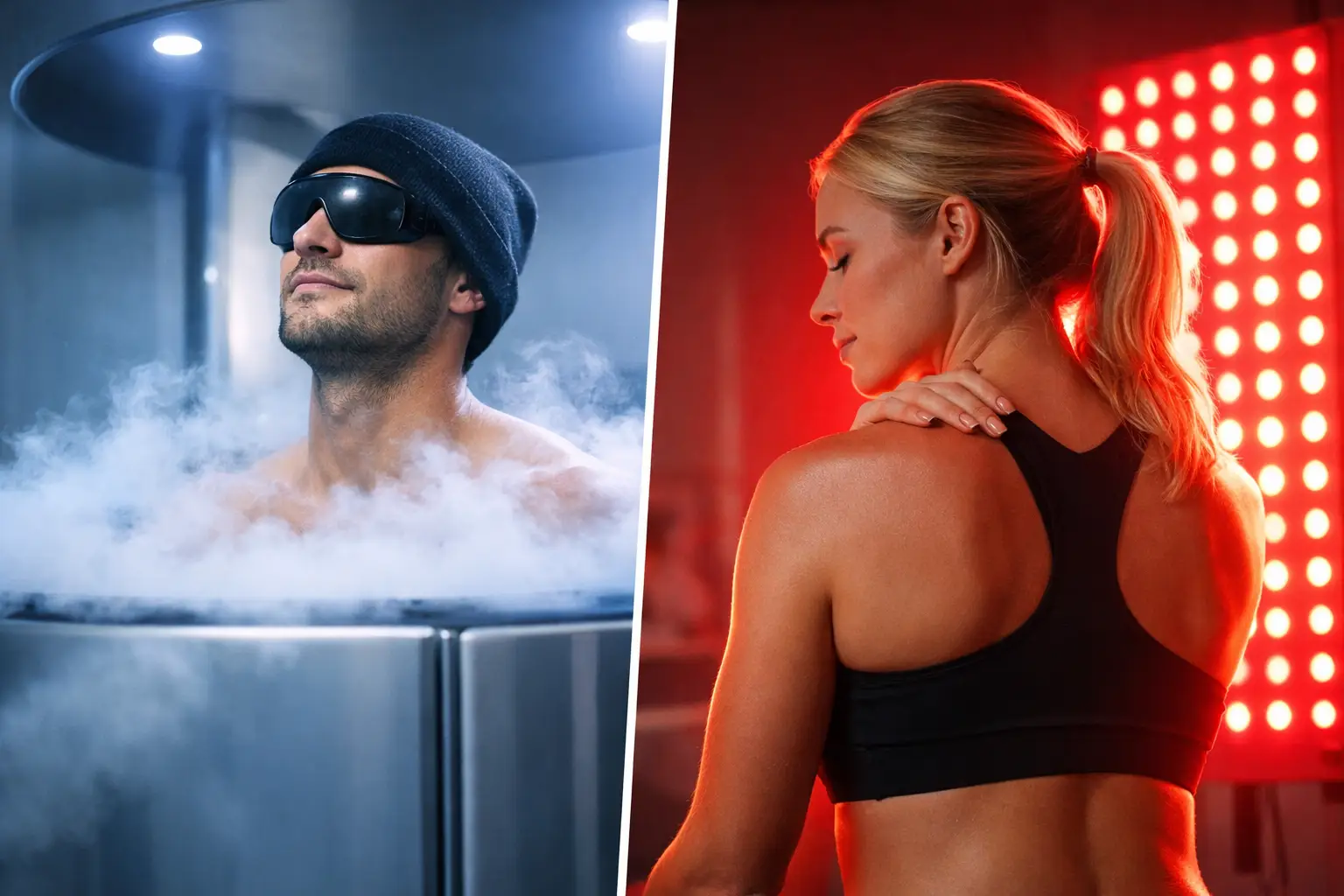
This matters even more if you are considering whole-body cryotherapy, which exposes a much larger surface area to cold. CryoNook’s localized approach is different because it focuses treatment on a specific muscle, joint, or concern area. Even so, your overall health still matters during screening.
People with an active infection, unexplained symptoms, or damaged skin
Do not use cryotherapy to push through a fever, active infection, or unexplained swelling. If an area is hot, severely red, rapidly worsening, draining fluid, or unusually tender, it may require medical diagnosis before any wellness treatment.
Open wounds, recent incisions, fragile skin, severe eczema, dermatitis, burns, or areas with compromised healing also need professional review. Cold can be used in certain clinical settings, but the right timing and method depend on the wound, circulation, infection risk, and instructions from your treating provider.
People who are pregnant or recently had surgery
Pregnancy is a time to simplify, not experiment with elective treatments. There is limited research on many cryotherapy applications during pregnancy, especially aesthetic services. Get approval from your obstetric provider before considering any localized cold treatment, and postpone elective body-contouring services unless your provider specifically says otherwise.
After surgery, cold therapy is often part of recovery plans, but only when it matches the surgeon’s guidance. The location, duration, and timing matter. A post-op knee may benefit from a carefully managed cold protocol, while treatment too close to an incision or before clearance may interfere with the recovery plan. Bring your provider’s instructions to your consultation.
Localized Cryotherapy Is Not the Same as Every Cold Treatment
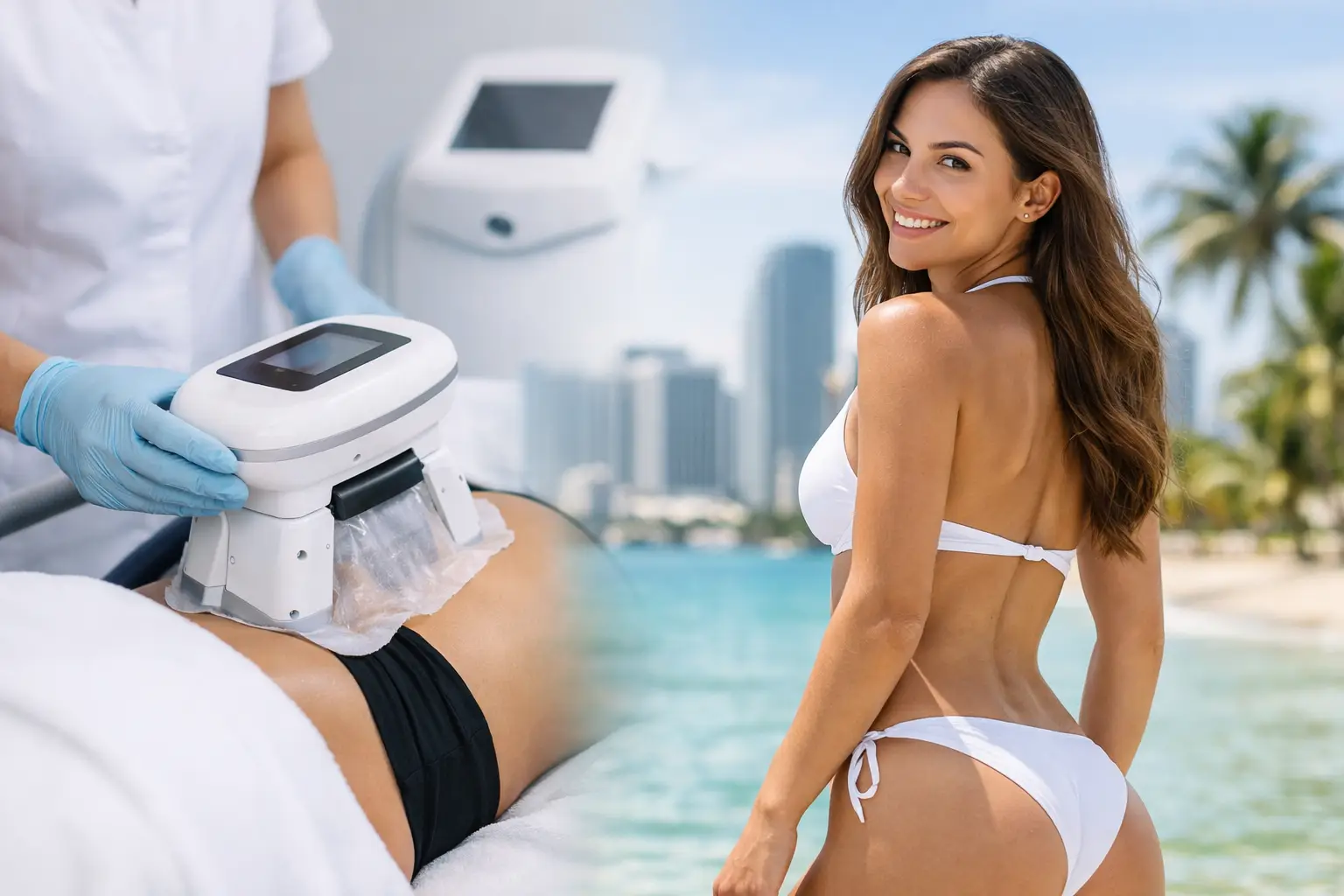
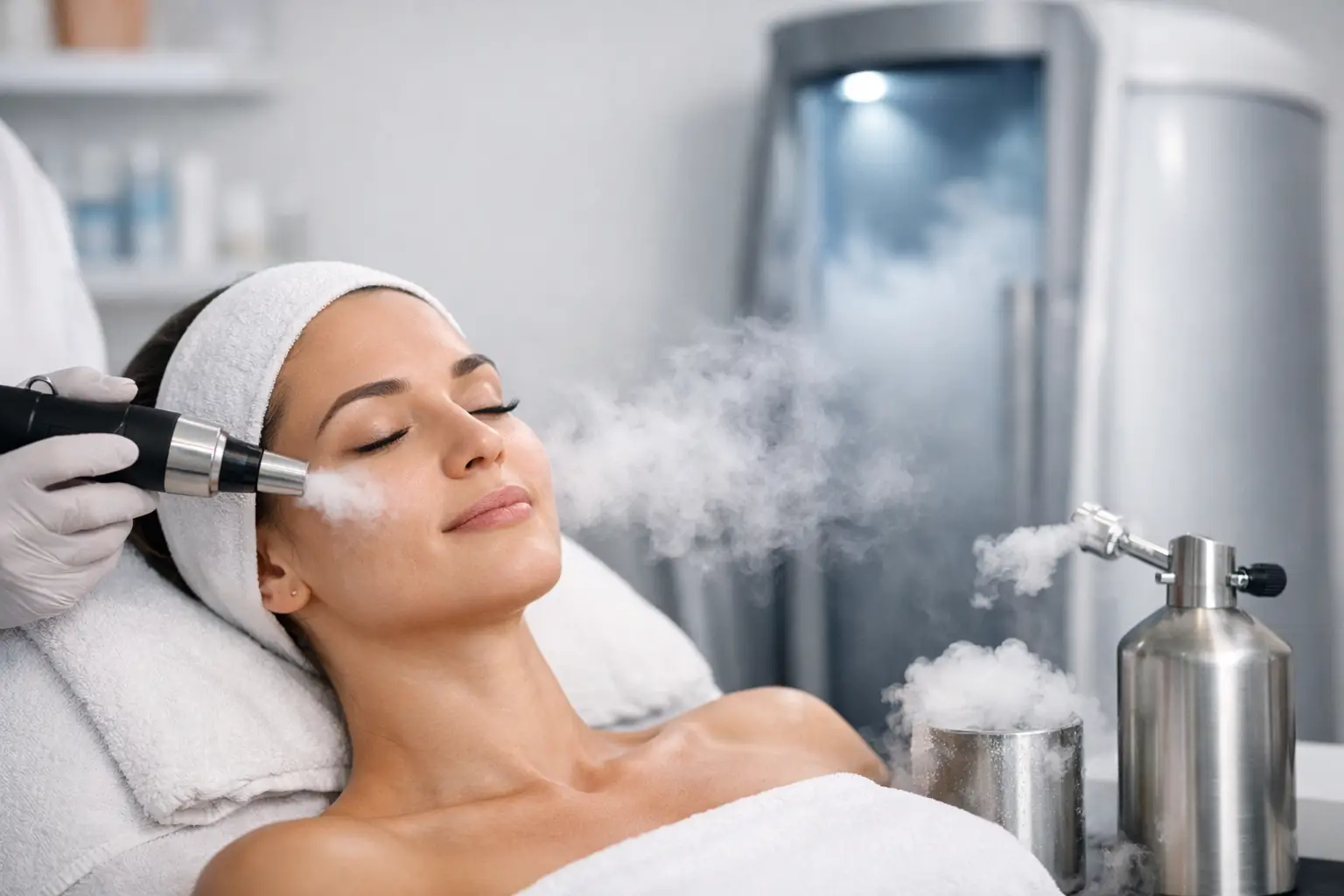
“Cryotherapy” is often used as one broad term, but the details change the safety conversation. Localized cryotherapy targets a defined area, such as a shoulder, knee, low back, or muscle group. Whole-body cryotherapy exposes much more of the body to extreme cold. Cryolipolysis, used for non-surgical fat reduction, is another separate service with its own candidacy requirements and possible side effects.
That distinction matters. Someone may be a poor candidate for whole-body cold exposure but may be able to discuss a carefully selected localized option with medical clearance. On the other hand, a targeted service is not automatically safe simply because it is limited to one area.
For aesthetic cryolipolysis, screening should be especially thorough. It is not a weight-loss treatment, and it may not suit people with cold-related blood disorders, certain hernias near the treatment area, poor skin integrity, or unrealistic expectations about results. A qualified provider should explain what the treatment can realistically change and when another approach makes more sense.
What to Share Before Your Appointment
A good cryotherapy consultation is straightforward, but honesty makes it useful. Tell your provider about chronic conditions, recent procedures, medications that affect circulation or sensation, prior reactions to cold, and any new symptoms. Mention if you are taking blood thinners, have diabetes, have had vascular surgery, or are recovering from a sports injury that has not been medically evaluated.
Also be clear about your goal. Are you looking to support recovery after training? Manage recurring muscle soreness? Address swelling after a diagnosed injury? Explore an aesthetic service? The right recommendation may be a localized session, a modified protocol, a referral back to your doctor, or waiting until symptoms settle.
A trained technician should inspect the area, discuss expected sensations, and give you clear stop signals. Intense burning, sharp pain, numbness that feels unusual, blotchy skin changes, dizziness, or feeling unwell are reasons to stop treatment and reassess.
When Cold May Not Be the Best Recovery Tool
Cold is useful in some situations, but it is not mandatory for every ache. For stiffness without swelling, some people respond better to gentle mobility, heat, hydration, sleep, or a gradual return to activity. For a new injury with instability, loss of strength, visible deformity, or inability to bear weight, a diagnosis comes before a recovery modality.
For chronic pain, the best plan is often layered. Localized cryotherapy may fit alongside physical therapy, strength work, mobility training, and medical care rather than replacing them. Fast relief is valuable, but long-term progress usually comes from addressing the reason the problem keeps returning.
A Safer Way to Book Cryotherapy
Start with a short health screen instead of booking based only on a social media result or a friend’s recommendation. If you have any condition involving circulation, nerves, heart health, cold sensitivity, pregnancy, surgery, or skin healing, ask your medical provider first. Then choose a service that explains the treatment area, expected outcome, and safety limits clearly.
For Miami-Dade clients, mobile localized cryotherapy can add real convenience when travel is difficult after training, a procedure, or a busy workday. Convenience should never replace screening, though. The best session is the one that is appropriate for you, delivered at the right time, with a plan you understand.
Your body gives useful signals. Treat sudden changes, persistent symptoms, and medical red flags seriously, then use recovery tools where they actually support your next step.