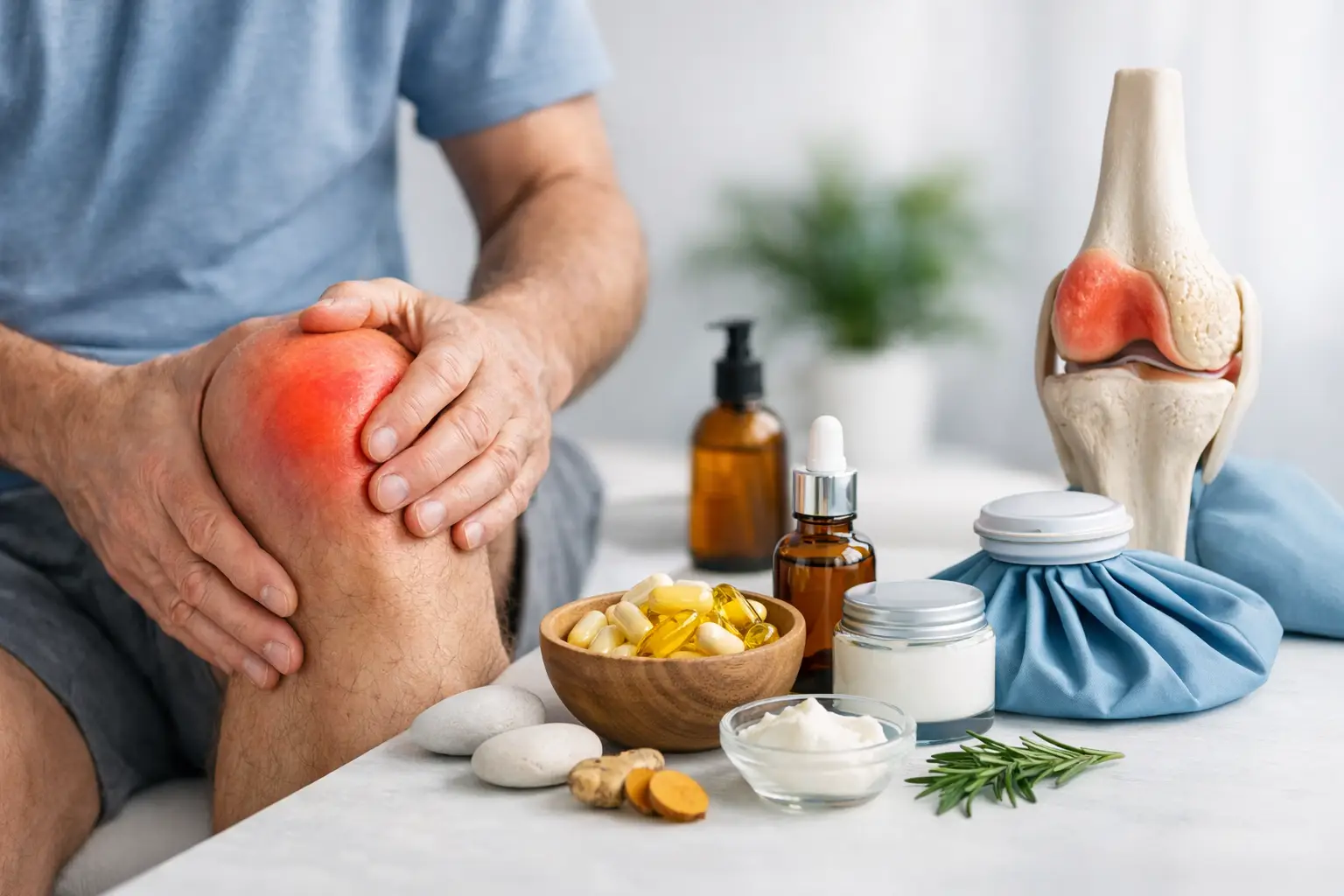
A swollen knee after a long run, stiff fingers that take time to loosen in the morning, or a shoulder that aches every time you reach overhead can change the way you move through the day. The best treatments for joint inflammation are not always one single fix. The right plan depends on whether the problem is acute, chronic, injury-related, or connected to a condition such as arthritis.
The goal is straightforward: reduce irritation, protect the joint without becoming inactive, and address the reason inflammation keeps returning. For many people, a combination of targeted cold therapy, smart movement, recovery habits, and medical guidance creates the fastest path back to more comfortable motion.
What Joint Inflammation Is Telling You
Inflammation is part of the body’s repair response. After a hard workout, a twisted ankle, or a sudden increase in activity, temporary swelling and soreness can be normal. Blood flow and immune activity increase around the area, which can bring heat, tenderness, stiffness, and reduced range of motion.
Problems begin when symptoms are intense, last longer than expected, or return every time you train, work, or perform everyday tasks. Repetitive strain, old injuries, osteoarthritis, autoimmune arthritis, tendon irritation, and poor recovery can all contribute. Treating pain without considering the trigger may provide short-term comfort, but it rarely solves the pattern.
A joint that is red, very hot, severely swollen, unstable, or difficult to bear weight on needs prompt medical evaluation. Seek urgent care for fever with joint pain, sudden severe swelling, deformity after an injury, numbness, or symptoms that follow a possible infection. These are not situations to push through with a wellness treatment alone.
Best Treatments for Joint Inflammation: Start With the Cause
Targeted cold therapy for fast, localized relief
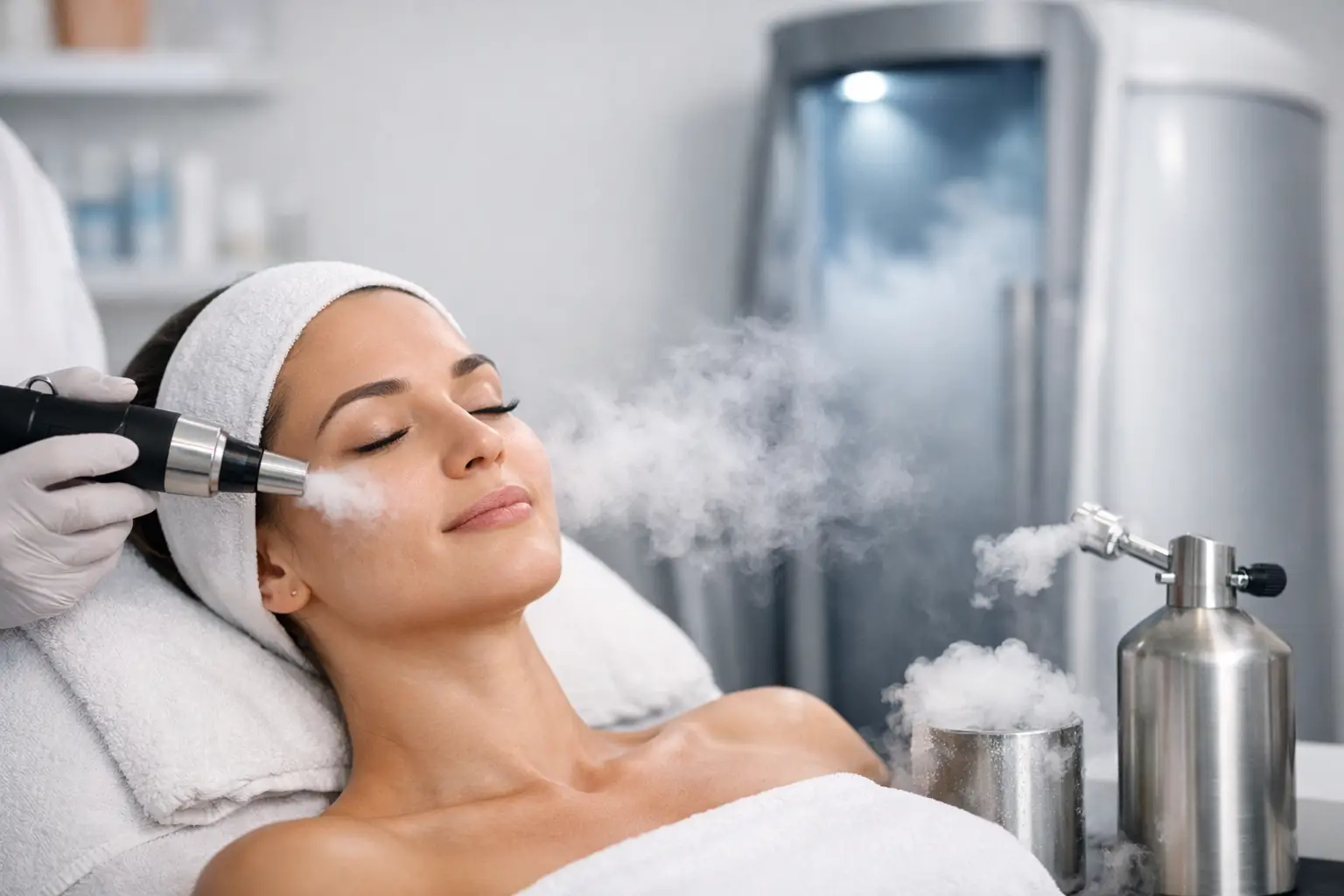
Cold is one of the most practical tools for a painful, irritated joint, especially after activity or during a flare-up. Localized cryotherapy applies controlled cold to a specific area, such as the knee, shoulder, elbow, wrist, ankle, or hip. The cooling effect can help reduce the sensation of pain, limit swelling, and make movement feel more manageable.
Unlike a full ice bath, targeted cold therapy focuses on the joint that needs attention. That matters when you want relief without making the rest of your body uncomfortably cold. It is also a convenient option for athletes managing post-training soreness, people with demanding jobs, and anyone who needs a non-invasive recovery tool between physical therapy sessions or workouts.
Cold is most useful when inflammation is active. If a joint is visibly swollen, warm, or throbbing after exertion, cooling can be a smart first move. For long-standing stiffness without obvious heat or swelling, heat, mobility work, or a clinician’s guidance may be more appropriate. The best choice depends on what the joint is doing, not just how painful it feels.
Movement that restores function without aggravation
Rest is necessary after some injuries, but complete inactivity for too long can make joints stiffer and surrounding muscles weaker. The better approach is relative rest: temporarily reduce the movements that provoke pain while keeping the body moving in ways the joint can tolerate.
For knee inflammation, that may mean trading high-impact running for walking, cycling, or pool exercise. For an irritated shoulder, it may mean pausing heavy overhead lifts while working on controlled range-of-motion exercises. A physical therapist can identify the specific strength or mobility gaps that are placing extra load on the joint.
Pain is useful feedback. Mild discomfort that settles quickly may be acceptable during rehabilitation. Sharp pain, increasing swelling, limping, loss of strength, or symptoms that linger into the next day are signs to pull back and reassess.
Physical therapy and strength training
A joint rarely works alone. Weak hips can affect knee tracking, poor shoulder-blade control can overload the shoulder, and limited ankle mobility can change how the knee and hip absorb force. Physical therapy addresses these movement patterns instead of only chasing symptoms.
A quality program may include hands-on treatment, mobility drills, balance work, and progressive strength training. The progression matters. Loading too little may not rebuild capacity, while loading too much too soon can restart the inflammatory cycle.
For chronic joint issues, consistent strength work is often one of the highest-value treatments available. Stronger muscles help distribute force and support the joint during stairs, lifting, sports, and daily life. Results are not always immediate, but they are designed to last longer than a temporary pain-reduction strategy.
Medication when it is medically appropriate
Over-the-counter anti-inflammatory medications can reduce pain and swelling for some people, and topical options may be useful for smaller, more superficial joints. However, these medications are not risk-free. Stomach irritation, kidney concerns, blood-pressure effects, interactions with other medications, and certain medical conditions can make them unsuitable.
Use medication as directed and speak with a qualified clinician or pharmacist if you take prescription medications, have a history of ulcers or kidney disease, are pregnant, or have cardiovascular concerns. Pain relief can make it easier to move, but it should not become permission to overload an injured joint.
For arthritis or severe inflammation, a physician may recommend prescription medication, an injection, imaging, lab work, or referral to a rheumatologist or orthopedic specialist. That level of care is especially valuable when symptoms are persistent, symmetrical in multiple joints, or accompanied by unexplained fatigue and prolonged morning stiffness.
Recovery Habits That Keep Inflammation From Coming Back
Joint recovery does not end when swelling drops. The habits around training, sleep, nutrition, and workload influence how often flare-ups happen.
Start by looking at sudden changes. Did you double your mileage, return to the gym after a break, start a new job that requires repetitive lifting, or change shoes? Joints often become irritated because capacity and demand no longer match. Reducing the spike in activity, then building back gradually, is more effective than repeatedly stopping and restarting.
Sleep deserves more attention than it gets. Poor sleep can increase pain sensitivity and make recovery feel slower. Hydration and a generally nutrient-dense eating pattern also support overall recovery, although no single food or supplement will cure a structural injury or inflammatory disease.
Body weight can be part of the conversation for weight-bearing joints, but the message should stay practical, not punitive. Even modest changes in load, combined with stronger legs and improved movement mechanics, may make walking and stairs more comfortable for some people.
When Cold, Heat, and Compression Each Make Sense
People often ask whether to use ice or heat. There is no universal winner. Cold usually fits a fresh flare-up, swelling, post-workout soreness, or a joint that feels hot and irritated. Heat often feels better for muscle tension and stiffness before activity, particularly when there is no significant swelling.
Compression and elevation can also help with acute swelling, especially around the ankle or knee. Compression should feel supportive, not numb, tingly, or painfully tight. A simple rule: choose the method that reduces symptoms and improves comfortable movement, then stop if it makes the area feel worse.
A Practical Plan for the Next Flare-Up
When joint pain starts, reduce the activity that triggered it for a few days rather than forcing the same intensity. Use targeted cooling if there is heat, swelling, or post-activity throbbing. Keep gentle movement in your day, and monitor whether symptoms are improving, stable, or escalating.
If the problem is recurring, book an assessment with a medical professional or physical therapist instead of guessing. Recurrent inflammation is often a signal that something in the joint, surrounding tissue, training load, or movement pattern needs attention.
For Miami-Dade clients who want a focused, non-invasive recovery option, CryoNook brings localized cryotherapy directly to you. It can fit neatly into a broader plan built around movement, rehabilitation, and professional medical care when needed.
The best next step is not to wait until discomfort becomes your normal. Pay attention to the pattern, give the joint the right kind of support, and choose treatments that help you move with more confidence tomorrow than you did today.