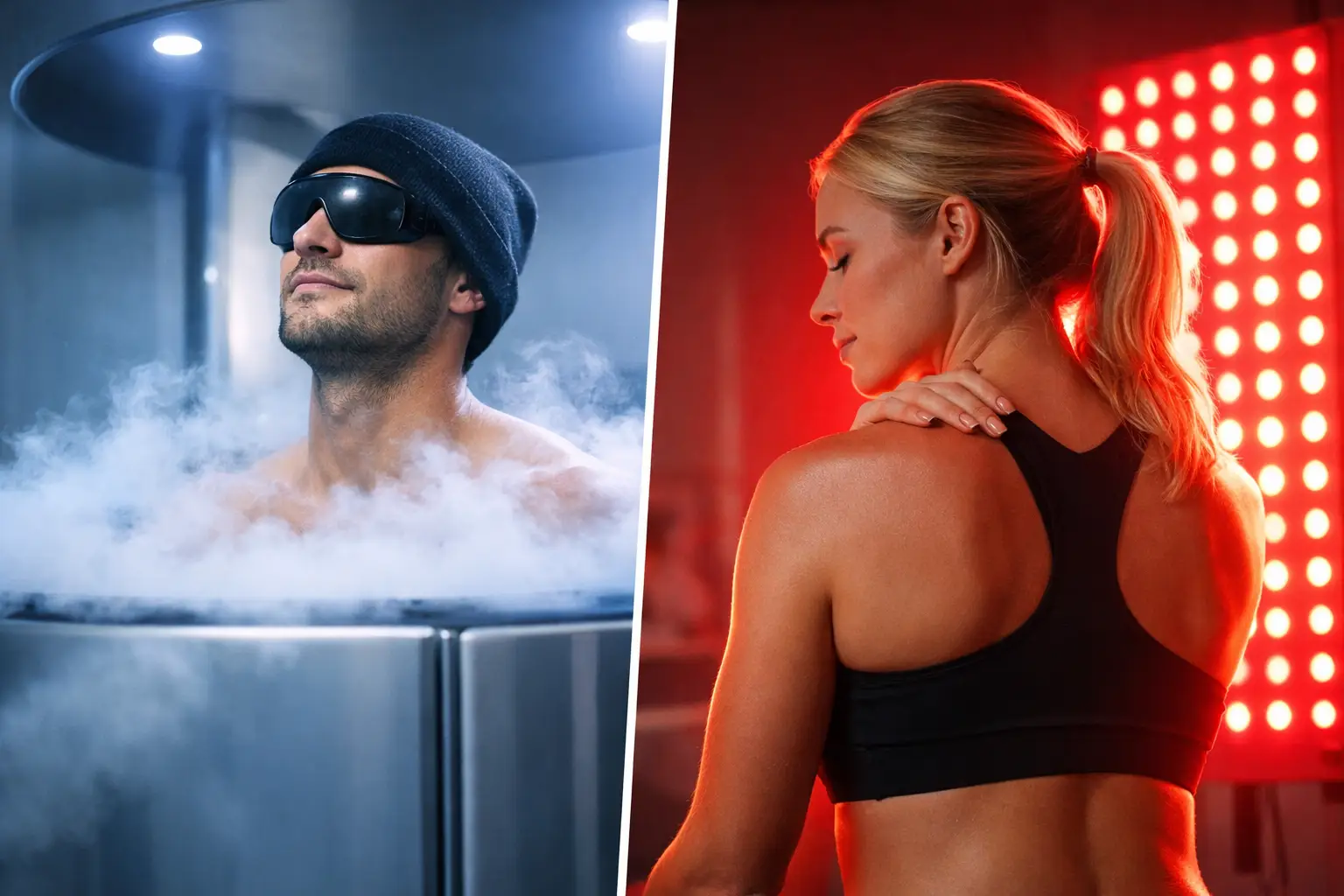
A tight hamstring after training, a swollen knee that will not settle down, or skin that looks less firm than you want can all lead to the same question: cryotherapy vs red light therapy, which one makes more sense? Both are non-invasive wellness options, but they work in very different ways. The right choice comes down to what your body needs right now – fast cooling and targeted relief, or light-based support over a longer treatment plan.
How Cryotherapy and Red Light Therapy Work
Localized cryotherapy uses controlled cold air to treat a specific area of the body. Instead of stepping into a whole-body chamber, the cold is directed at the joint, muscle, or area of concern. A session is quick, targeted, and designed to help calm discomfort, reduce swelling, and support recovery without downtime.
The immediate sensation is intense cold, followed by a warming effect as circulation returns to the area. Many clients choose localized cryotherapy when they are dealing with a fresh training flare-up, post-workout soreness, a nagging joint, or the lingering discomfort that can come with an old injury. It is a practical option when you want to focus on one problem area instead of treating your entire body.
Red light therapy, often called photobiomodulation, uses specific wavelengths of red and near-infrared light. The light is intended to interact with cells beneath the skin, supporting cellular activity and circulation. Sessions are typically warm or neutral in feeling, not painful, and often take longer than a localized cryotherapy treatment.
Red light is commonly used for skin-focused goals, muscle recovery support, and general wellness. Results tend to be gradual. Someone using red light for the appearance of fine lines, skin texture, or hair support will usually need consistent sessions over several weeks to evaluate a meaningful change.
Cryotherapy vs Red Light for Pain Relief
When pain feels hot, irritated, swollen, or freshly aggravated, localized cryotherapy often has the advantage. Cold therapy is widely used in sports and orthopedic settings because it can provide a fast calming effect. For a runner with a sore ankle, a lifter with an angry elbow, or someone managing low back discomfort after a long day, a focused cold session may help make movement feel more manageable.
That does not mean cold is the answer for every type of pain. Chronic stiffness can respond differently than an acute flare-up. Some people with long-term muscle tension prefer gentle warmth and light-based treatments because they do not want the strong cold sensation. Red light may fit into a broader recovery routine, especially when the goal is ongoing support rather than immediate cooling.
For Acute Soreness and Swelling
Localized cryotherapy is usually the more direct choice. It is fast, precise, and easy to fit into a busy schedule. There is no need to change into special gear or commit to a long appointment. For Miami-Dade clients who want recovery support at home after training, travel, or a demanding workday, mobile localized cryotherapy can be especially convenient.
For Chronic Recovery Support
Red light may be a better fit if you are willing to be consistent and your goals are longer term. Think of it less like an instant reset and more like a routine. It can complement mobility work, physical therapy, strength training, hydration, sleep, and a clinician-guided recovery plan.
For many people, the better question is not which treatment is universally better. It is whether you need relief now, ongoing support over time, or a combination of both.
Which One Is Better for Athletic Recovery?
Athletes often reach for cold after hard sessions because it feels immediate. A localized cryotherapy session can be useful after a tournament, a long run, a heavy leg day, or a physically demanding job when a specific muscle or joint needs attention. It can help you feel more comfortable and ready to move again without taking time away from your day.
There is one trade-off worth understanding. If your main goal is building strength and muscle from resistance training, using intense cold immediately after every single workout may not be the best strategy. In some cases, the inflammatory response after training is part of how the body adapts. That does not mean athletes need to avoid cold altogether. It means timing matters. Use targeted cold when soreness, discomfort, or a recovery need calls for it, rather than treating it as an automatic post-workout habit.
Red light therapy may appeal to athletes who want a consistent recovery modality that does not create a cold shock response. It is generally easier to incorporate on lighter days, during a recovery block, or as part of a broader performance routine. Still, red light is not a replacement for smart programming, proper rehab, or medical evaluation after an injury.
Cryotherapy vs Red Light for Skin and Aesthetic Goals
The comparison gets more specific when your goal is appearance. Red light therapy is often associated with skin rejuvenation because it may support the appearance of smoother texture, a more even-looking complexion, and softer-looking fine lines over a series of treatments. Results vary by skin condition, device quality, treatment schedule, and home care.
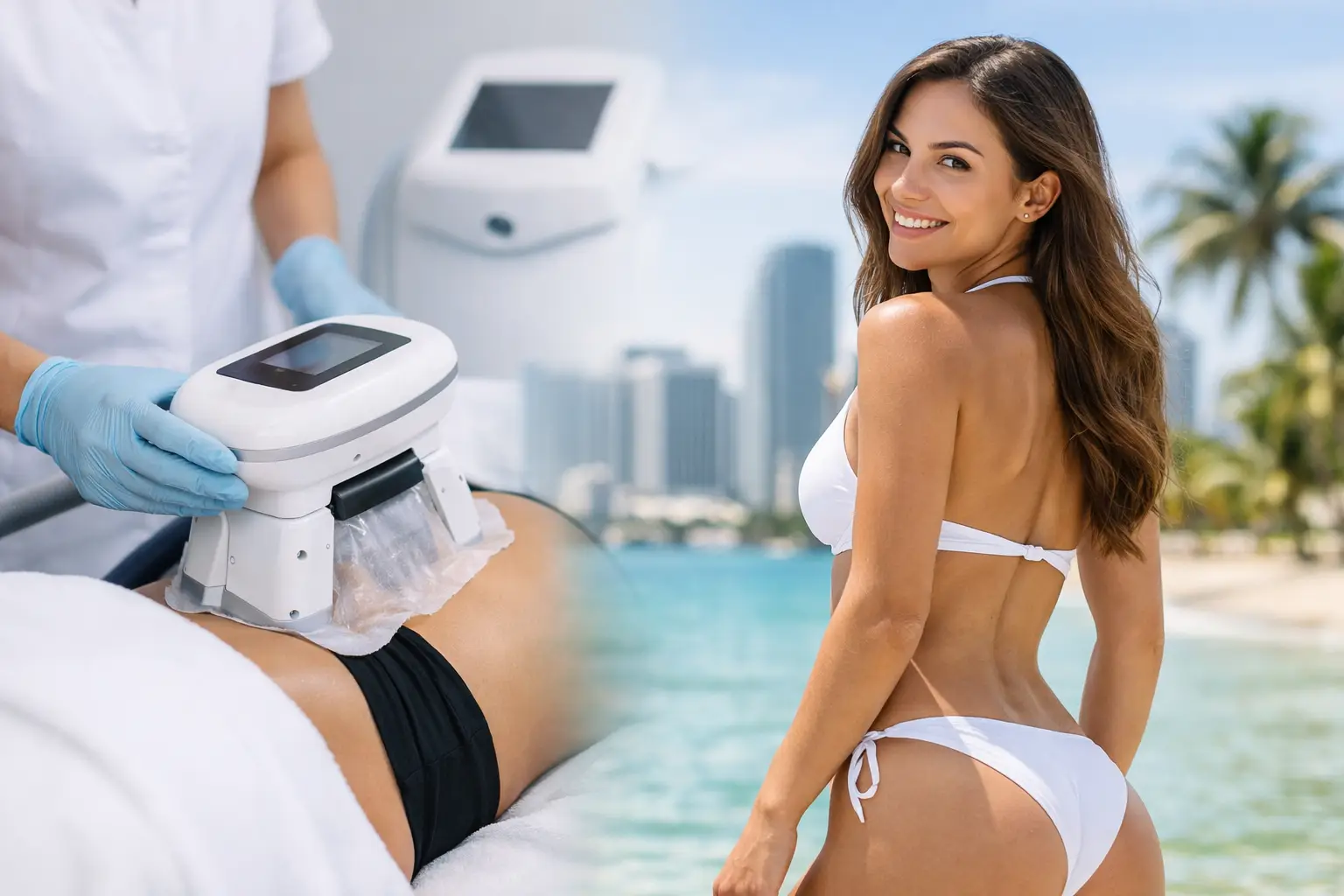
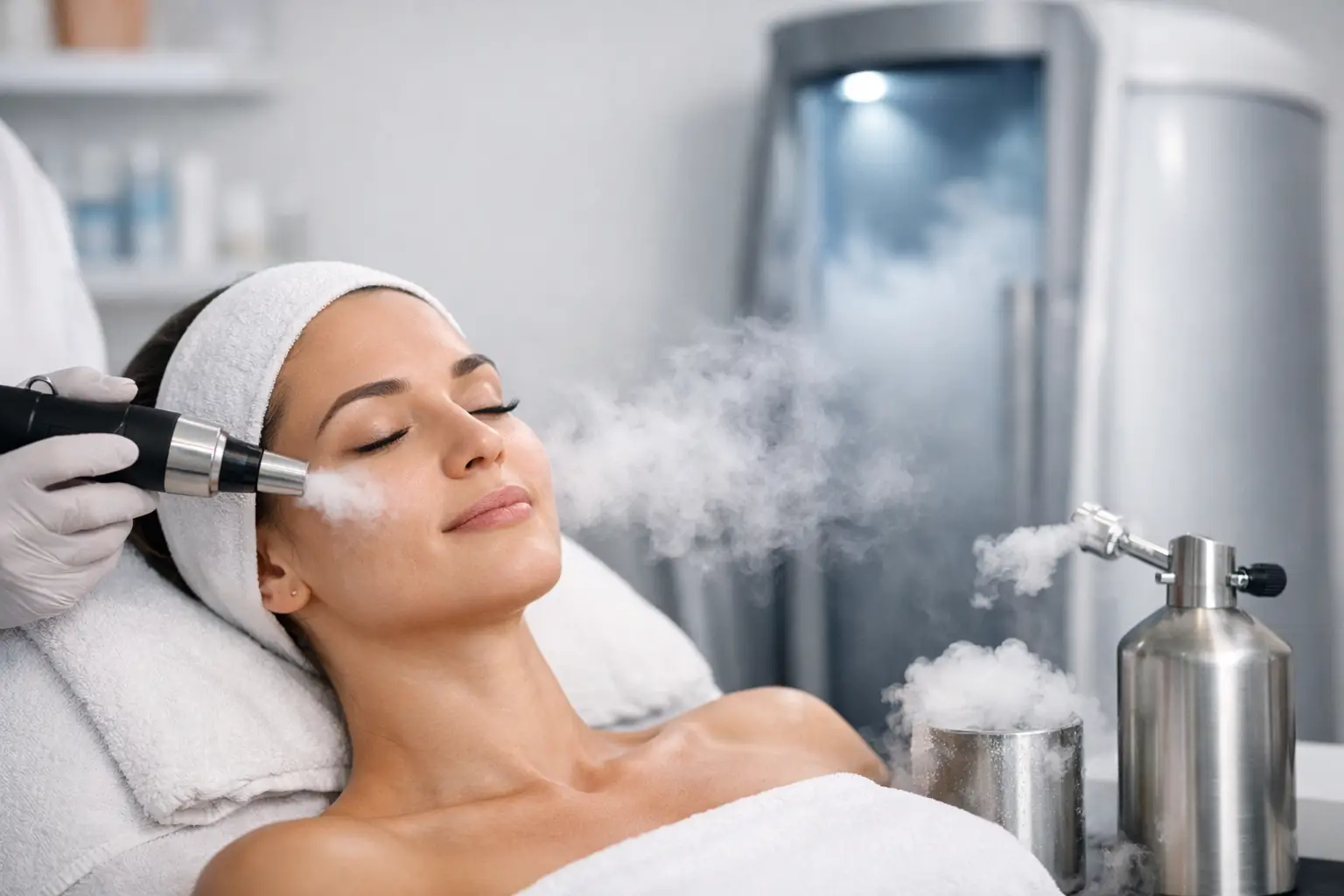
Localized cryotherapy can also be used in aesthetic settings, but the intended results are different. Cold-based facial treatments are often chosen for a refreshed, firmer-looking appearance and temporary reduction in puffiness. Targeted cold can also be part of services focused on cellulite appearance, skin tightening, and body enhancement.
Cryolipolysis is another cold-based aesthetic option, but it should not be confused with a standard localized cryotherapy session. Cryolipolysis is designed for body contouring and reducing stubborn fat in specific areas through a separate treatment process. It requires the right candidate, realistic expectations, and a provider who understands safe placement and treatment planning.
If your priority is skin quality over time, red light may be the more natural fit. If you want a targeted cold treatment for puffiness, localized appearance concerns, or a body-focused cold therapy plan, cryotherapy may make more sense.
Can You Use Cryotherapy and Red Light Together?
Yes, they can be complementary when the plan matches your goal. An athlete may use localized cryotherapy to calm a specific overworked area, then use red light on a different schedule as part of a longer recovery routine. Someone focused on aesthetics may choose red light for regular skin support while using targeted cold treatments for other appearance goals.
The key is avoiding a random, more-is-more approach. More sessions do not automatically create better outcomes. A focused plan based on your symptoms, training schedule, skin goals, and health history is more likely to deliver value.
Safety, Expectations, and When to Ask First
Both treatments are non-invasive, but non-invasive does not mean one-size-fits-all. Localized cryotherapy may not be appropriate for people with cold sensitivity, Raynaud’s phenomenon, cold urticaria, impaired sensation, or certain circulation conditions. Red light therapy may require extra caution for people taking photosensitizing medications or managing specific medical conditions.
If you have severe pain, a suspected fracture, sudden swelling, numbness, fever, an open wound, or pain that keeps getting worse, skip the wellness workaround and get medical guidance first. Cryotherapy and red light can support recovery, but they should not delay needed diagnosis or treatment.
Set practical expectations as well. Cryotherapy can feel helpful quickly, especially for soreness and localized discomfort, but lasting improvement may require repeat sessions and changes to your movement routine. Red light typically calls for consistency before you can judge results. Neither option promises to erase an injury, reverse aging, or replace rehabilitation.
The best treatment is the one that fits the problem in front of you. If you need precise, fast support for a sore joint, overworked muscle, or recovery setback, targeted cold gives you a direct path forward. If your goal is gradual skin or wellness support, red light may deserve a place in your routine. At CryoNook, we go to you, making it easier to choose recovery that works with your real schedule instead of against it.