Aesthetic goals are personal, but the best treatment plans are practical: understand what a treatment can do, what it cannot do, and how it fits your routine. This guide to cryotherapy for aesthetics explains how targeted cold therapy can support body contouring, smoother-looking skin, reduced puffiness, and recovery without surgery or lengthy downtime.
What cryotherapy for aesthetics actually means
Cryotherapy uses controlled cold exposure to create a specific response in the body. In an aesthetic setting, that response may be used to address stubborn fat pockets, temporarily calm visible puffiness, support a firmer-looking appearance, or complement a broader skin and body-care routine.
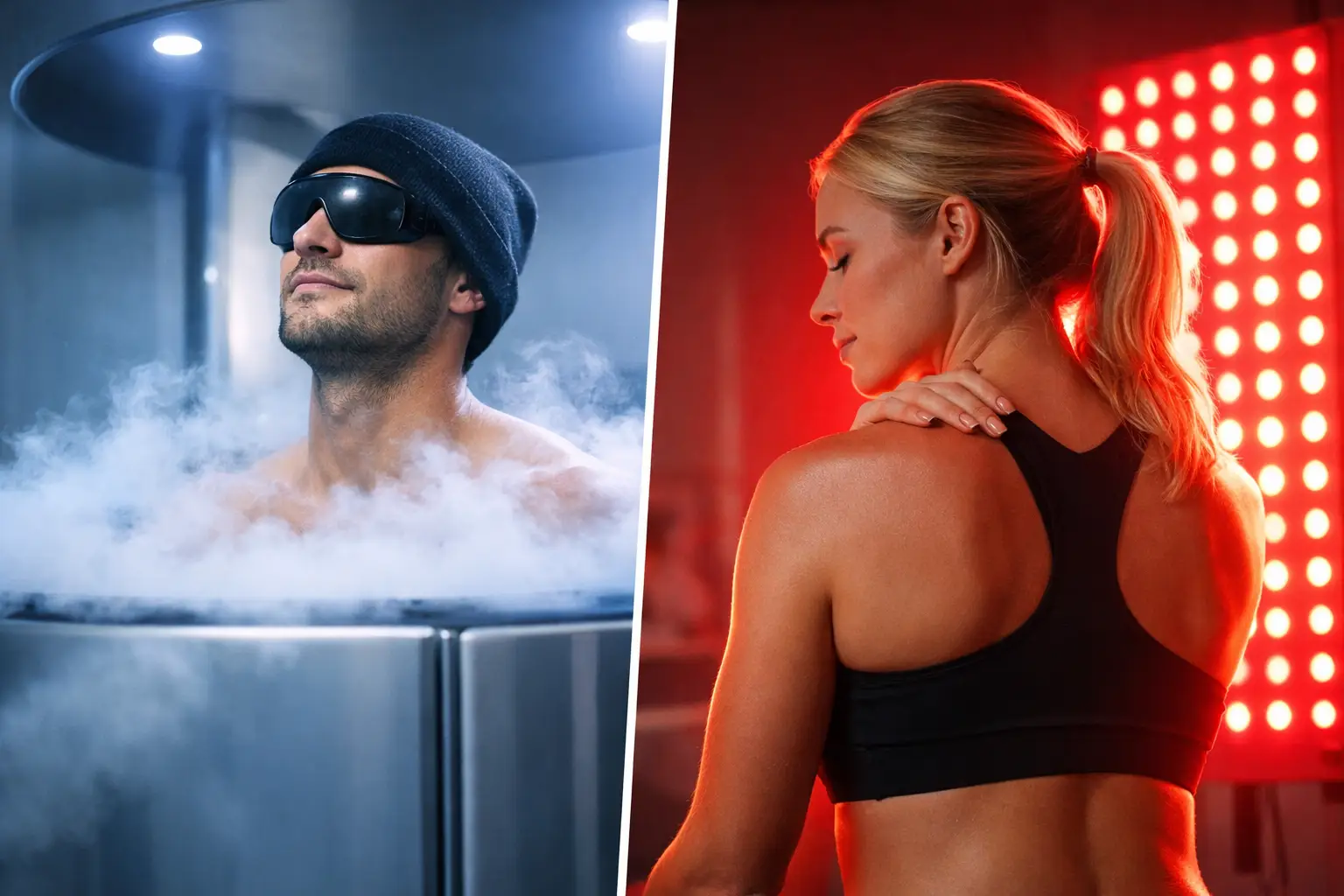
The phrase can describe more than one treatment. That matters because a quick localized cold session is not the same as cryolipolysis, and neither should be confused with whole-body cryotherapy. The right option depends on your concern, your medical history, the area being treated, and the result you want to see.
Localized cryotherapy focuses cold therapy on a specific area, such as the abdomen, thighs, arms, face, or another targeted zone. Sessions are typically fast, non-invasive, and designed around precision rather than exposing the entire body to extreme temperatures.
A guide to aesthetic cryotherapy options
Cryolipolysis for stubborn fat areas
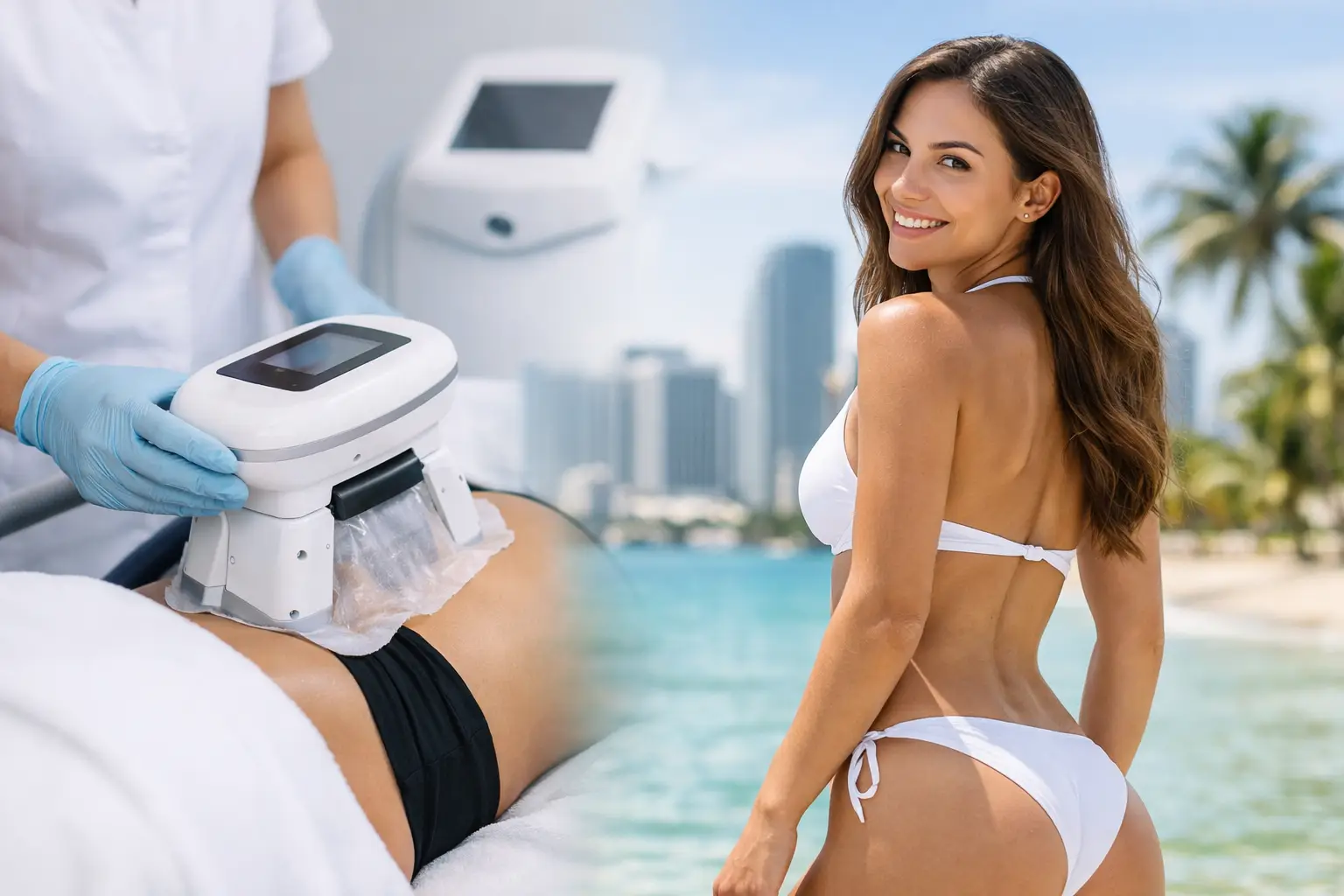
Cryolipolysis is a body-contouring treatment that uses controlled cooling to target fat cells beneath the skin. It is often considered for areas that resist consistent nutrition and exercise, including the lower abdomen, flanks, thighs, upper arms, and under the chin.
The goal is not weight loss. Cryolipolysis is better suited to people who are near a stable weight and want to refine a specific area. Changes develop gradually as the body processes the affected fat cells over the following weeks and months. Some people need more than one session, especially when treating a larger area or pursuing a more noticeable contour change.
Localized cold therapy for skin and body support
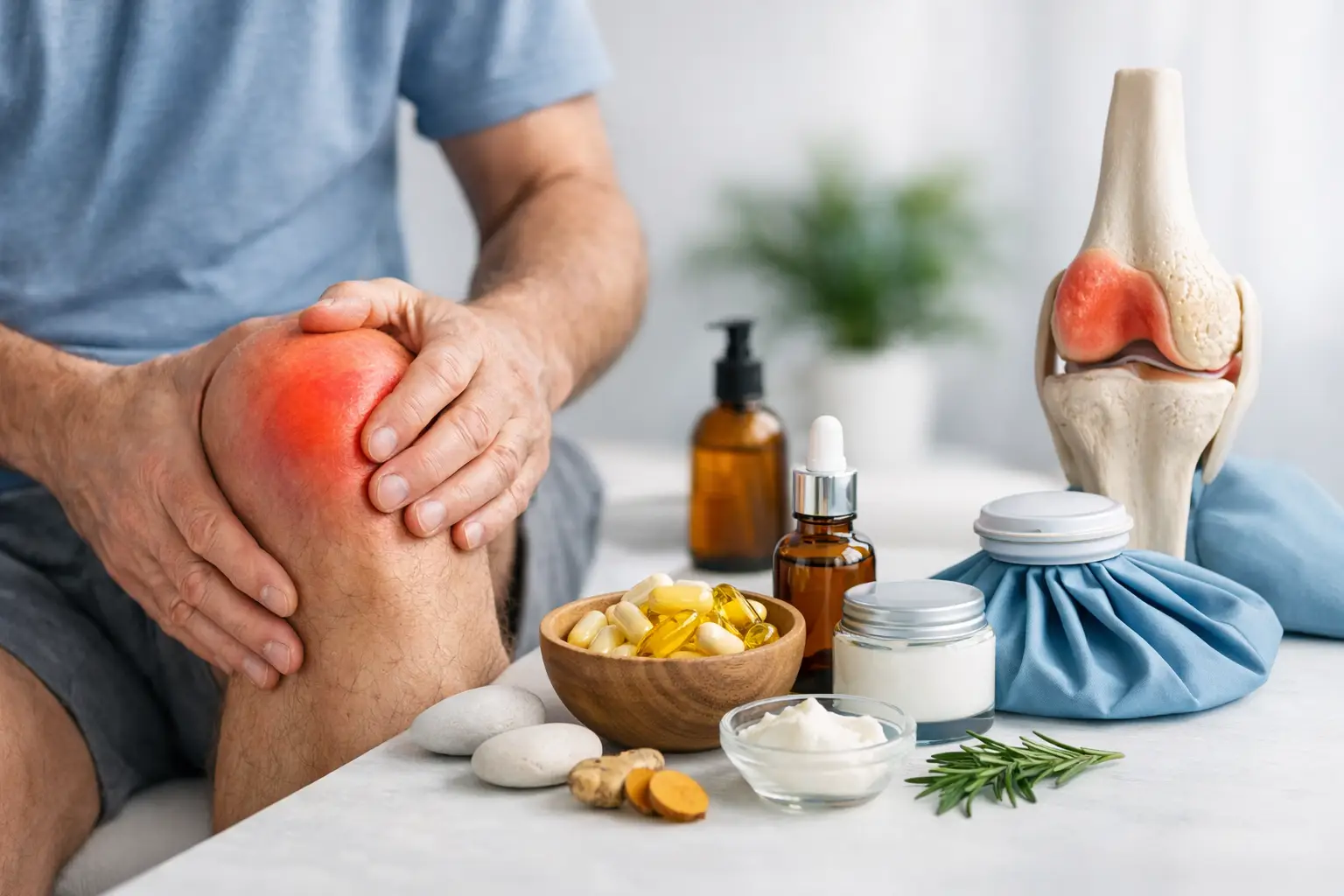
Targeted cold therapy may be used as part of an aesthetic plan focused on circulation, puffiness, post-workout swelling, and the appearance of skin texture. Cold can create temporary vasoconstriction, followed by increased circulation as the area warms. That is one reason clients often describe a refreshed, tighter-looking feeling after a session.
For cellulite and skin tightening, results vary widely. Cellulite has multiple causes, including connective tissue structure, fat distribution, skin thickness, hormones, and genetics. Cold therapy can be a useful supportive service, but it should not be sold as a one-session cure for dimpling or loose skin. A consistent plan often delivers a better experience than chasing a dramatic overnight change.
Facial and scalp-focused applications
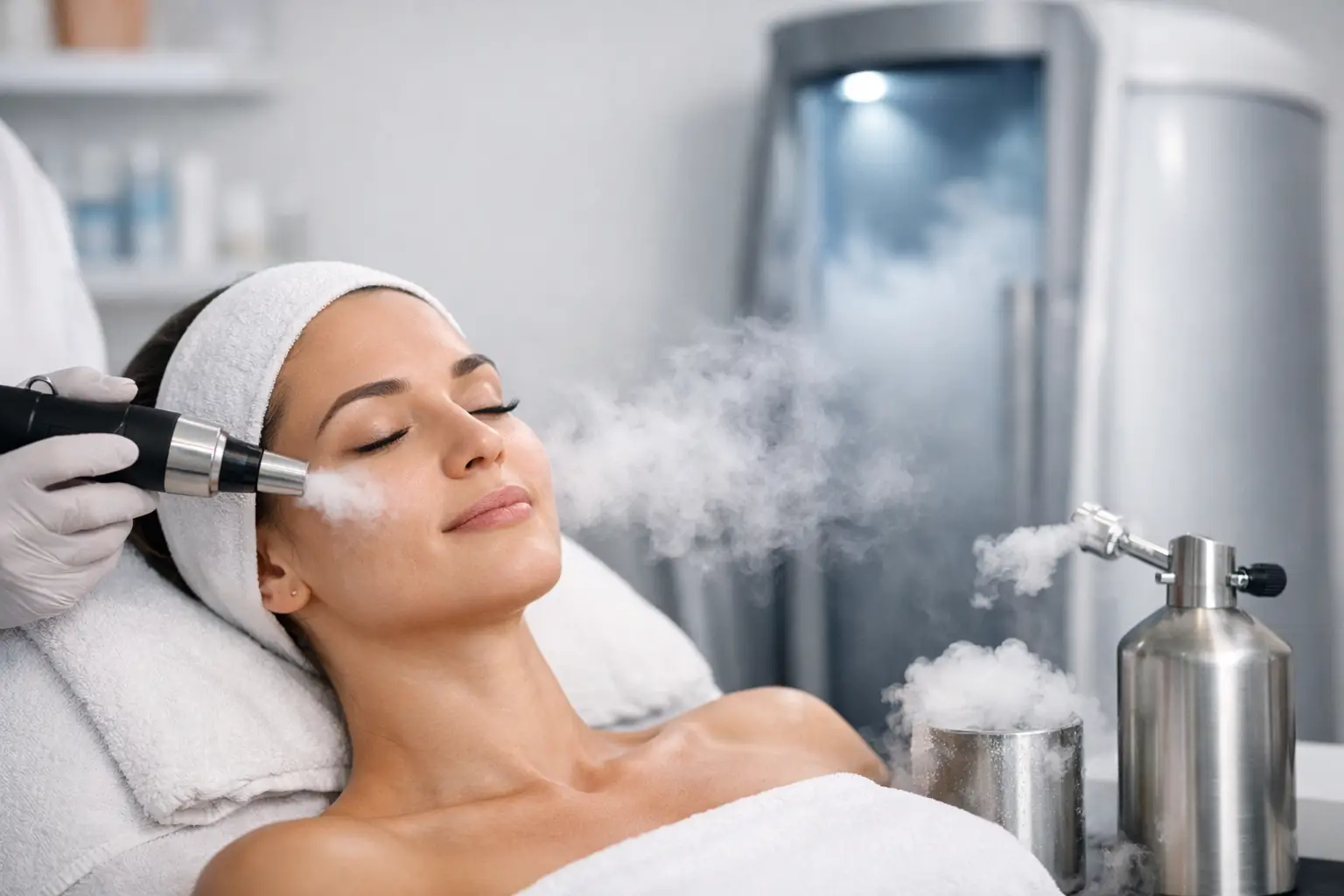
Cold-based treatments are also used in facial wellness routines to reduce the look of temporary puffiness and leave skin feeling refreshed. For scalp and hair concerns, cryotherapy may be incorporated into a broader hair-support approach. Hair growth is influenced by hormones, genetics, nutrition, stress, scalp health, and medical conditions, so anyone experiencing sudden or significant shedding should first speak with a qualified healthcare professional.
What results should you expect?
The most satisfying cryotherapy results come from matching expectations to the treatment. A localized session can feel immediate when your goal is less swelling, a fresher appearance, or a post-treatment recovery boost. Structural changes, such as fat reduction from cryolipolysis, take time.
Your provider should explain the timeline before you begin. For body contouring, visible changes may emerge gradually rather than on the day of treatment. For skin texture, puffiness, and cellulite-focused care, the response can depend on your starting point, hydration, activity level, treatment frequency, and the other services or habits in your plan.
Lifestyle still matters. Cryotherapy can complement strength training, movement, balanced nutrition, sleep, and hydration, but it does not replace them. Think of it as a precise tool for areas that need focused attention, not a substitute for a full wellness routine.
Who is a good candidate for aesthetic cryotherapy?
A strong candidate is generally healthy, has a clear and realistic concern, and wants a non-invasive option with little disruption to their schedule. You may be a good fit if you want to target a small fat pocket, reduce the appearance of temporary puffiness, support skin-focused goals, or add a recovery-minded service to your body-care routine.
A consultation is essential because cold therapy is not right for everyone. People with cold-sensitive conditions, impaired sensation, circulation issues, certain skin conditions, or relevant medical concerns may need medical clearance or a different approach. Pregnancy, active infection, open wounds in the treatment area, and recent procedures can also affect timing and eligibility.
Be direct about your health history, medications, past surgeries, implants, and previous aesthetic treatments. That conversation protects your safety and helps the provider choose the proper treatment area, intensity, and schedule.
How to prepare for your appointment
Preparation is simple, but it helps create a smoother session and a better baseline for tracking progress. Before your appointment, arrive hydrated, wear comfortable clothing that allows access to the treatment area, and avoid scheduling over irritated or freshly treated skin.
If you are pursuing body contouring, take consistent progress photos and measurements before starting. The mirror can be subjective, while photos taken in the same lighting, angle, and clothing can make gradual changes easier to evaluate. You should also share any changes in your routine, such as a new fitness program or a planned surgery, so your treatment plan stays realistic.
What happens after treatment?
Many localized cold therapy sessions allow you to return to normal activity right away. Depending on the service and area treated, you may experience temporary redness, numbness, tingling, tenderness, or mild swelling. These effects should be discussed before your appointment so you know what is normal and when to contact your provider.
After cryolipolysis, the treatment area may feel sensitive for a period of time. Follow your provider’s aftercare instructions, stay hydrated, and avoid judging results too quickly. Your body needs time to respond.
For ongoing aesthetic care, consistency is often more valuable than overdoing treatment. A qualified provider can recommend whether one session, a short series, or occasional maintenance makes sense for your goal.
Choosing a provider who treats the right area
Aesthetic cryotherapy should feel tailored, not one-size-fits-all. Ask what type of cold therapy is being used, what the treatment is designed to address, how the area is assessed, and what result timeline is realistic. You should also receive clear guidance on contraindications, expected sensations, aftercare, and pricing before committing to a package.
For clients who value convenience as much as results, mobile localized care can make consistency much easier. CryoNook brings targeted cryotherapy services to Miami-Dade clients at home, helping them fit recovery and aesthetic care into a busy schedule without adding another stop to the day.
The most effective aesthetic plan is the one you can maintain safely and confidently. Start with the concern you want to improve, choose a provider who sets honest expectations, and give your body enough time to show the work.